The Amazing Journey of Food
Introduction to Human Nutrition
The Fuel for Your Body
Nutrition is the study of how food and drink affect our bodies. Think of it like putting fuel in a car. The right kind of fuel keeps the engine running smoothly, while the wrong kind can cause problems. For humans, food provides the energy and materials we need for everything from breathing and thinking to growing and repairing tissues.
The substances in food that our bodies need are called nutrients. We can group them into two main categories: macronutrients and micronutrients. The names give a hint about the difference. 'Macro' means large, and 'micro' means small. We need macronutrients in large amounts, while we only need tiny amounts of micronutrients.
The Big Three Macronutrients
Macronutrients are the heavy lifters of our diet. They provide the energy, measured in calories, that powers all our daily activities. There are three types: carbohydrates, proteins, and fats.
Carbohydrates are the body's main source of energy. They're found in foods like bread, pasta, fruits, and vegetables. When you eat them, your body breaks them down into glucose, a simple sugar that your cells use for fuel.
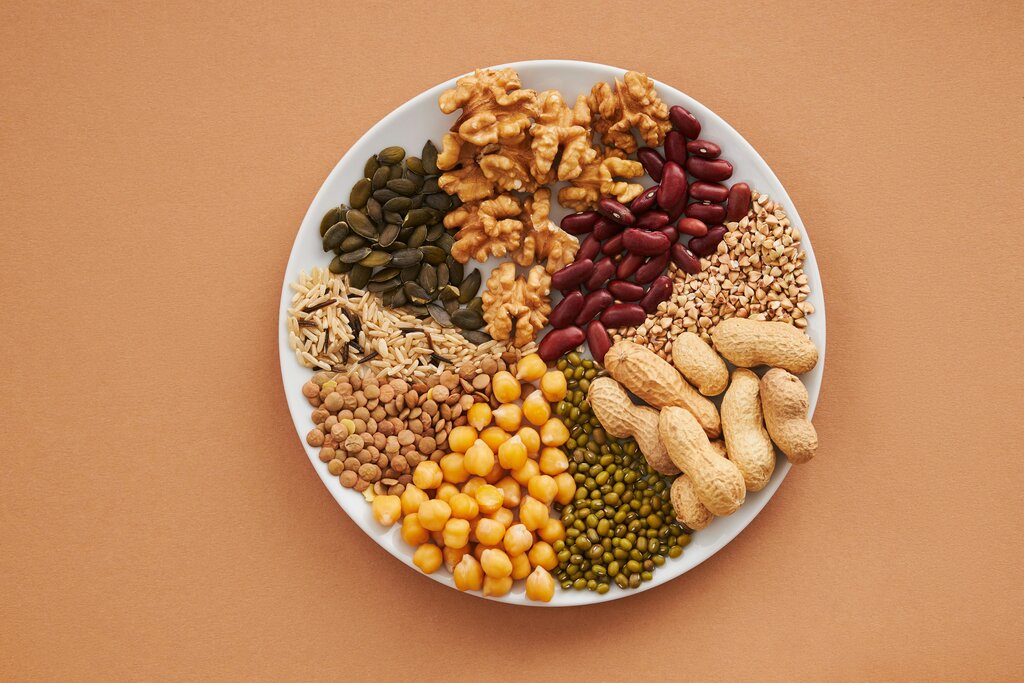
Proteins are the building blocks. Your body uses them to build and repair tissues, make enzymes and hormones, and support your immune system. Good sources include meat, fish, eggs, dairy products, beans, and nuts.
Fats often get a bad reputation, but they are essential for health. They provide a concentrated source of energy, help your body absorb certain vitamins, and are crucial for producing hormones. Healthy fats are found in foods like avocados, nuts, seeds, and olive oil.
| Macronutrient | Primary Function | Common Sources |
|---|---|---|
| Carbohydrates | Main energy source | Grains, fruits, vegetables, sugars |
| Proteins | Building and repairing tissues | Meat, dairy, beans, nuts, legumes |
| Fats | Storing energy, hormone production | Oils, avocados, nuts, seeds |
Mighty Micronutrients
Unlike macronutrients, we only need micronutrients in small quantities. But don't let their size fool you. They are vital for our health, and a deficiency can lead to serious problems. The two types of micronutrients are vitamins and minerals.
Micronutrients are vitamins and minerals that are critical for optimal brain function in very small amounts.
Vitamins are organic compounds that help regulate many body processes, from converting food into energy to keeping our immune system strong. For example, Vitamin C, found in citrus fruits, helps fight infections, while Vitamin D is essential for strong bones.
Minerals are inorganic elements that also play many roles. Calcium, found in dairy products and leafy greens, is famous for building strong bones and teeth. Iron is crucial for carrying oxygen in our blood, and you can find it in red meat and spinach.
The Importance of Balance
A balanced diet is one that provides the right amount of all essential nutrients. It’s not about avoiding certain foods entirely but about getting the right mix. Nutrient imbalances, either getting too little (a deficiency) or too much (an excess), can cause health issues.
A deficiency occurs when your body doesn't get enough of a specific nutrient. For instance, an iron deficiency can lead to anemia, a condition that causes fatigue and weakness because your blood can't carry enough oxygen.
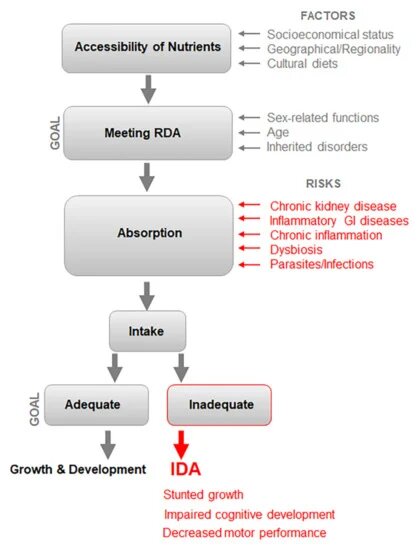
On the other hand, an excess of certain nutrients can also be harmful. Consuming far more calories than your body uses for energy will lead to weight gain, as the body stores the extra energy as fat. Similarly, very high doses of certain vitamins can be toxic.
Understanding the basics of nutrition helps you make informed choices about what you eat. By focusing on a balanced intake of macronutrients and micronutrients from a variety of whole foods, you provide your body with the fuel it needs to thrive.
What is the primary role of macronutrients in the human diet?
Which of the following nutrients is classified as a micronutrient?