The Amazing Human Brain
Brain Anatomy
The Cerebral Cortex
The most recognizable part of the human brain is the cerebral cortex. It's the large, wrinkly outer layer of the cerebrum. If you've ever seen a picture of a brain, this is likely what you were looking at. Those wrinkles aren't random; they're a clever way for the brain to increase its surface area, packing in more processing power without needing a bigger skull.
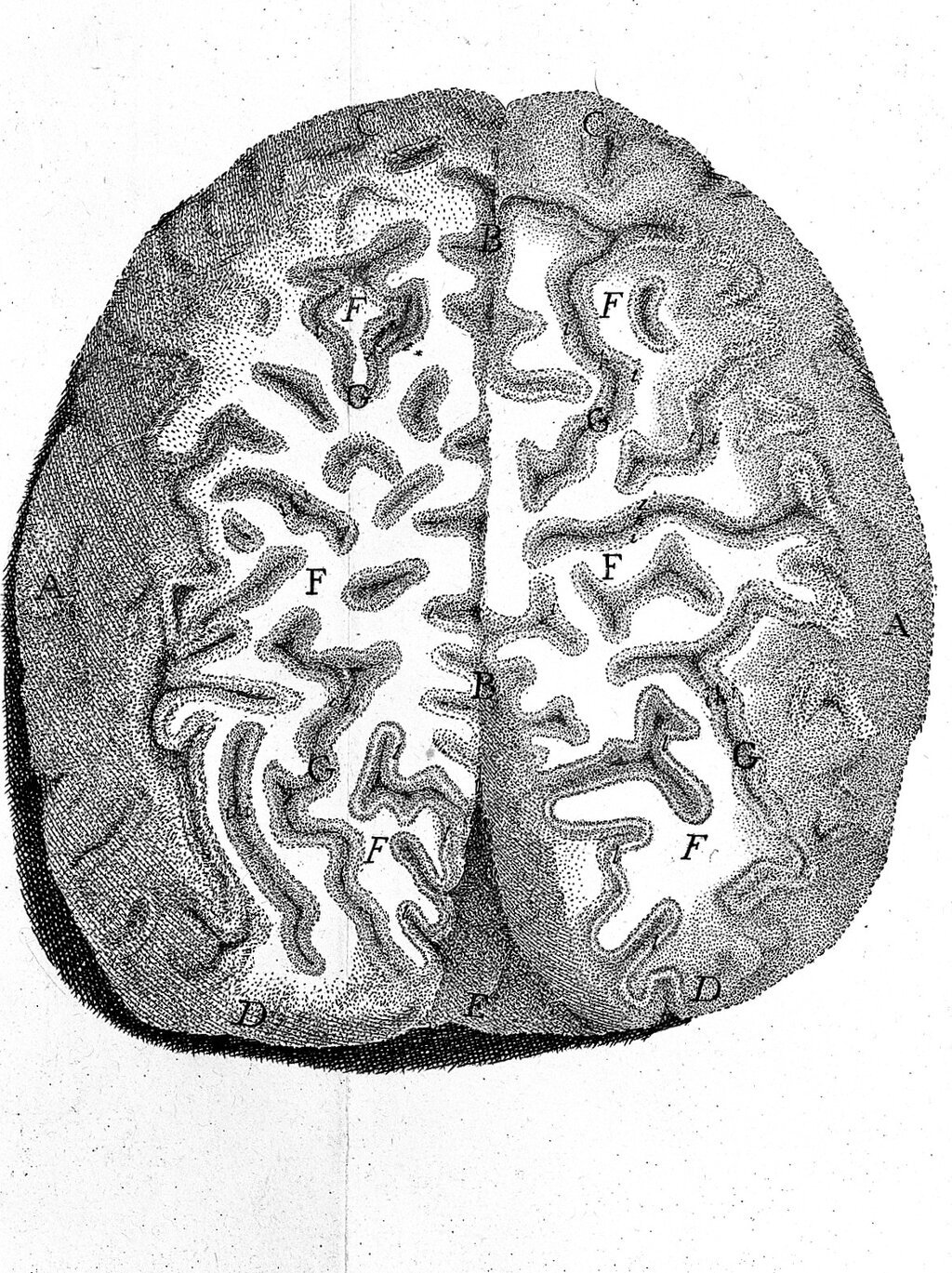
The folds are made up of ridges and grooves. The ridges are called gyri (singular: gyrus), and the grooves are called sulci (singular: sulcus). These landmarks help neuroscientists map the brain.
gyrus
noun
A ridge or fold between two clefts on the cerebral surface in the brain.
The cortex is split into two hemispheres, left and right, which are connected by a thick bundle of nerves called the corpus callosum. Each hemisphere is further divided into four main lobes, each with its own set of responsibilities:
- Frontal Lobe: Located at the front of the brain, it's the hub for planning, problem-solving, personality, and voluntary movement.
- Parietal Lobe: Situated behind the frontal lobe, it processes sensory information like touch, temperature, and pain.
- Temporal Lobe: Found on the sides of the brain, near your temples, this lobe is crucial for hearing, memory, and understanding language.
- Occipital Lobe: At the very back of the brain, its primary job is to process visual information from the eyes.
The Brainstem
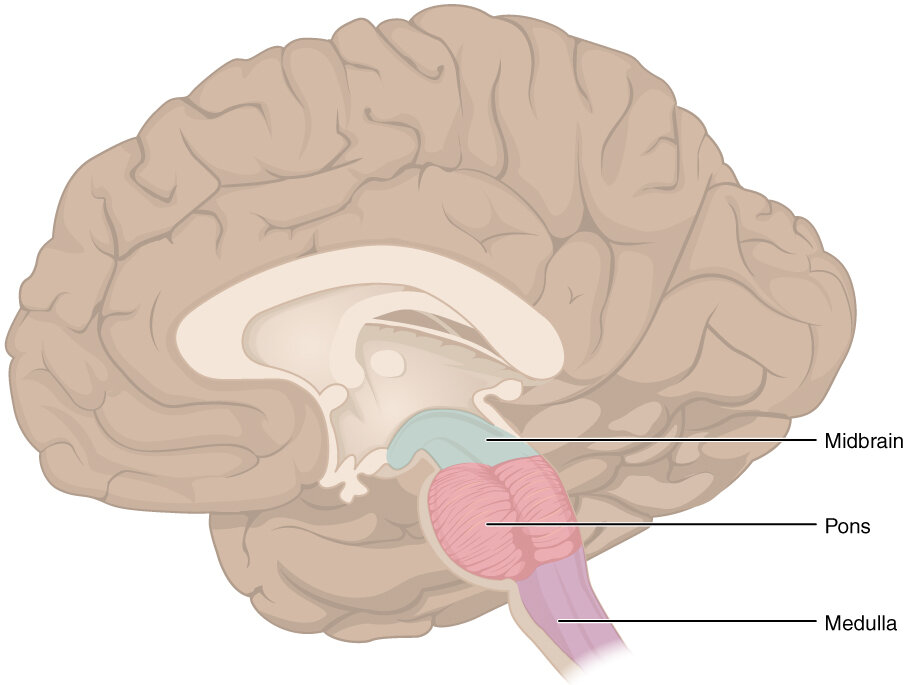
Tucked underneath the cerebrum and in front of the cerebellum is the brainstem. It's the brain's oldest and most basic part, often called the "reptilian brain" because it handles the essential functions that even reptiles have. Think of it as the automatic control center for your body.
The brainstem connects the brain to the spinal cord, acting as a critical relay station for information traveling between the body and the brain.
It has three main parts:
- Midbrain: This top part of the brainstem is involved in vision, hearing, eye movement, and body movement.
- Pons: Located below the midbrain, the pons is a bridge connecting various parts of the brain. It plays a role in sleep, dreaming, and facial expressions.
- Medulla Oblongata: This is the bottom-most part, connecting directly to the spinal cord. It regulates vital, involuntary functions like your heartbeat, breathing, and blood pressure.
The Cerebellum
The cerebellum, which means "little brain" in Latin, is located at the back of the brain, beneath the occipital and temporal lobes. While it only accounts for about 10% of the brain's total volume, it contains over half of the brain's neurons.
The brain consists of the cerebrum, responsible for higher cognitive functions; the cerebellum, involved in coordination and balance; and the brainstem, which regulates basic life functions such as breathing and heart rate.
Its primary job is to coordinate voluntary movements. When you walk, ride a bike, or type on a keyboard, your cerebellum is hard at work ensuring your movements are smooth, balanced, and precise. It doesn't initiate movement—that's the job of the cerebral cortex—but it refines and coordinates it. It also plays a role in motor learning, like when you practice a musical instrument or a new sport until the movements become automatic.
The Limbic System
Deep within the brain, nestled between the cerebrum and the brainstem, is a collection of structures known as the limbic system. This isn't a single, neat part but rather a set of interconnected regions that are crucial for emotion, motivation, and memory.
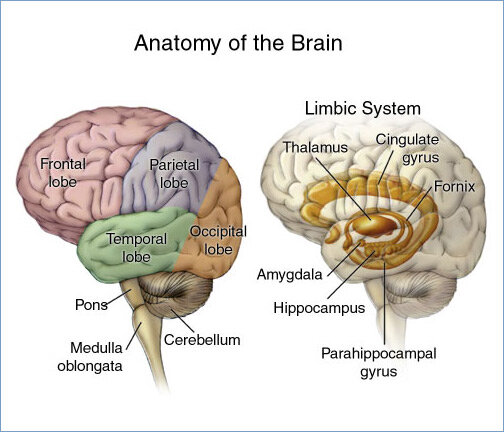
Some of the key players in the limbic system include:
- Amygdala: Two almond-shaped clusters involved in processing emotions, especially fear and aggression. It helps tag memories with emotional significance.
- Hippocampus: This structure is essential for forming new memories. Damage to the hippocampus can make it impossible to store new long-term memories, even though old ones remain intact.
- Hypothalamus: Located just below the thalamus, it regulates many of the body's maintenance activities, like hunger, thirst, body temperature, and the sleep-wake cycle. It links the nervous system to the endocrine system via the pituitary gland.
- Thalamus: Often described as the brain's sensory switchboard, it receives information from all senses (except smell) and relays it to the appropriate areas of the cortex for processing.
Now let's review these core concepts before a final quiz.
Ready to test your knowledge?
Which lobe of the cerebral cortex is primarily responsible for processing visual information from the eyes?
What is the primary purpose of the folds (gyri) and grooves (sulci) on the surface of the cerebral cortex?
Together, these structures form the basis of the brain's incredible ability to control our thoughts, actions, and feelings.