The Amazing Human Brain
Brain Overview
Your Body's Command Center
The human brain is the central organ of the nervous system. Think of it as the command center for your entire body. It receives information from your senses, processes it, and sends out instructions to your muscles and glands. Everything you think, feel, and do is orchestrated by this incredible organ.
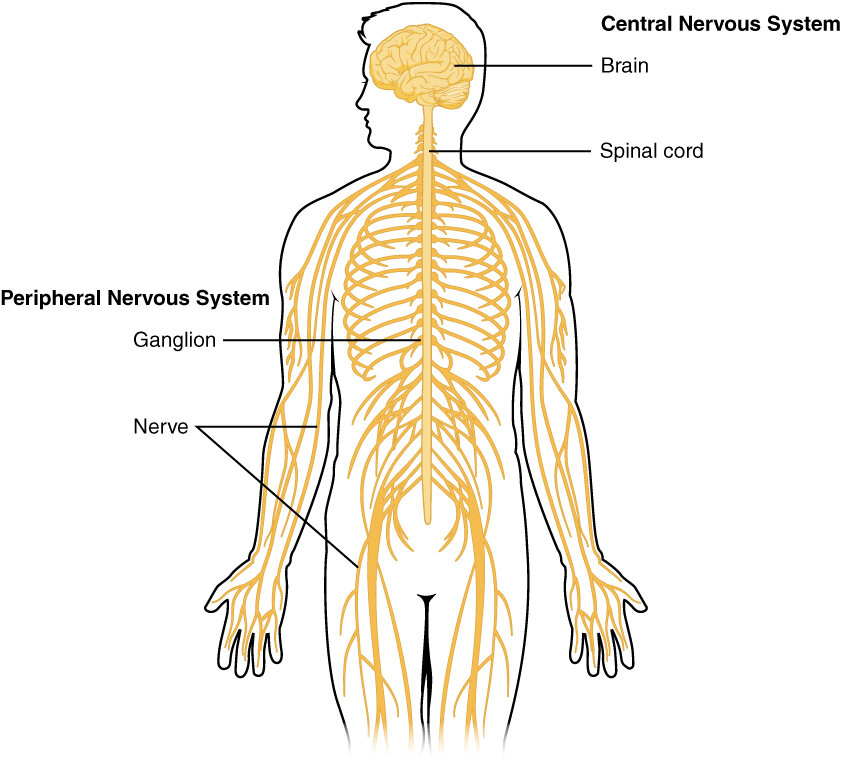
The brain, along with the spinal cord, makes up the central nervous system (CNS). The spinal cord acts as a superhighway, relaying messages between the brain and the rest of the body. The brain is where the real decision-making happens. It interprets sensory input, controls movement, regulates bodily functions, and enables complex thought, memory, and emotion.
The brain is the most complex part of the human body, controlling thought, memory, emotion, motor skills, sensory input and all the processes that regulate our bodies.
The Brain's Three Main Parts
While incredibly complex, we can begin to understand the brain by dividing it into three main parts. Each has a distinct set of responsibilities, but they all work together seamlessly.
These three structures are the cerebrum, the cerebellum, and the brainstem.
Cerebrum: The largest part, responsible for higher-level functions like thinking, language, and memory. Cerebellum: Located at the back, it controls balance, coordination, and movement. Brainstem: Connects the brain to the spinal cord and manages essential automatic functions like breathing and heart rate.
The cerebrum is what you typically picture when you think of a brain, with all its folds and grooves. It's the hub of conscious thought and voluntary actions. The cerebellum, though much smaller, is crucial for smooth, coordinated movements, like riding a bike or playing a musical instrument.
The brainstem is the most ancient part of the brain. It works tirelessly in the background, keeping you alive by managing vital functions you never have to think about.
Now that you have an overview of the brain's main components, let's test your knowledge.
What are the two primary components that make up the central nervous system (CNS)?
Which part of the brain is primarily responsible for conscious thought and processing voluntary actions?
This basic structure provides the framework for all the brain's complex operations. In the following sections, we'll take a closer look at each of these key areas.