The Amazing Axolotl
Introduction to Axolotls
The Peter Pan of Salamanders
Deep in the canals of Xochimilco near Mexico City lives a creature that seems to have forgotten how to grow up. The axolotl (Ambystoma mexicanum) is a species of salamander with a truly unique approach to life. While most of its amphibian cousins undergo a dramatic transformation to live on land, the axolotl remains in the water, keeping its youthful features for its entire life.
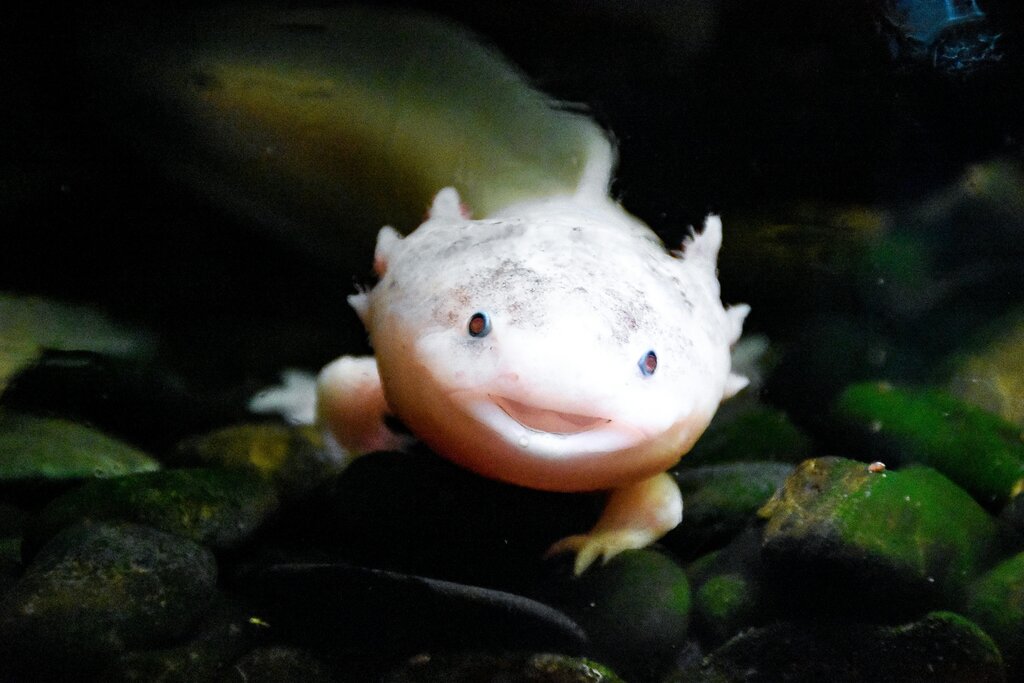
This unusual amphibian is easily recognized by its feathery, branch-like gills that fan out from the sides of its head. These aren't just for show; they are external gills that allow the axolotl to absorb oxygen directly from the water. Unlike other salamanders, they also have lidless eyes and smooth skin, which can come in a variety of colors from pinkish-white to mottled brown and gold.
Remarkable Abilities
The axolotl's peculiarities go far beyond its looks. It possesses an incredible ability to regenerate. If an axolotl loses a limb, it doesn't just heal over with a scar—it can regrow the entire appendage, complete with bones, muscle, and nerves. This biological superpower extends to other parts of its body, including portions of its spinal cord and even its brain.
This ability to perfectly replace damaged or lost body parts makes the axolotl a subject of intense scientific research.
So why does the axolotl retain these amazing, youthful abilities and its aquatic form? The answer lies in a phenomenon called neoteny.
Neoteny
noun
The retention of juvenile features in the adult animal.
Most amphibians, like frogs, start as aquatic larvae (tadpoles) and undergo metamorphosis to become land-dwelling adults. They trade their gills for lungs and their fins for legs. Axolotls, however, skip this step. They grow larger and become sexually mature, but they never lose their gills or their finned tail. They live out their entire lives underwater, permanently in their juvenile form.
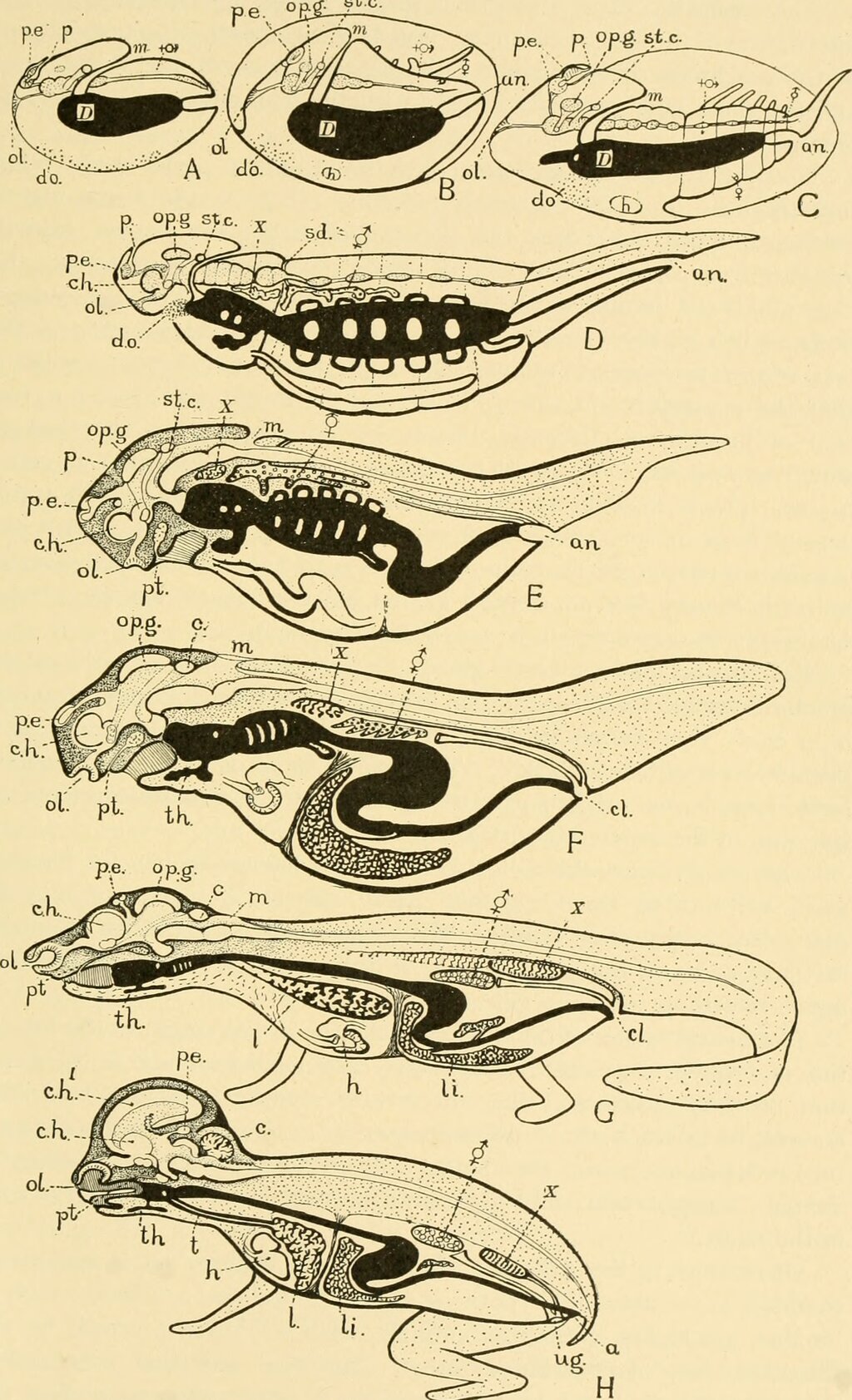
This retention of youthful traits is not just a quirky lifestyle choice; it's deeply linked to their regenerative powers. By staying in a perpetual state of youth, they hold onto biological mechanisms that most other animals lose as they mature.
What is the term for the phenomenon where an axolotl retains its juvenile, aquatic features throughout its life?
Which distinctive feature allows the axolotl to absorb oxygen directly from the water?
This combination of features makes the axolotl a fascinating subject, not just for its unusual appearance but for what it can teach us about biology, healing, and aging.