The Algerian War Decoded
Colonial Algeria
The Invasion of Algiers
In 1827, a diplomatic spat over unpaid debts escalated when the Ottoman ruler of Algiers, Hussein Dey, struck the French consul with a fly-whisk. France used this minor insult as a pretext. The real reasons for the invasion three years later, in 1830, were more complex. King Charles X sought to boost his flagging popularity with a military victory, merchants eyed new markets, and the military wanted to stamp out Barbary piracy for good.
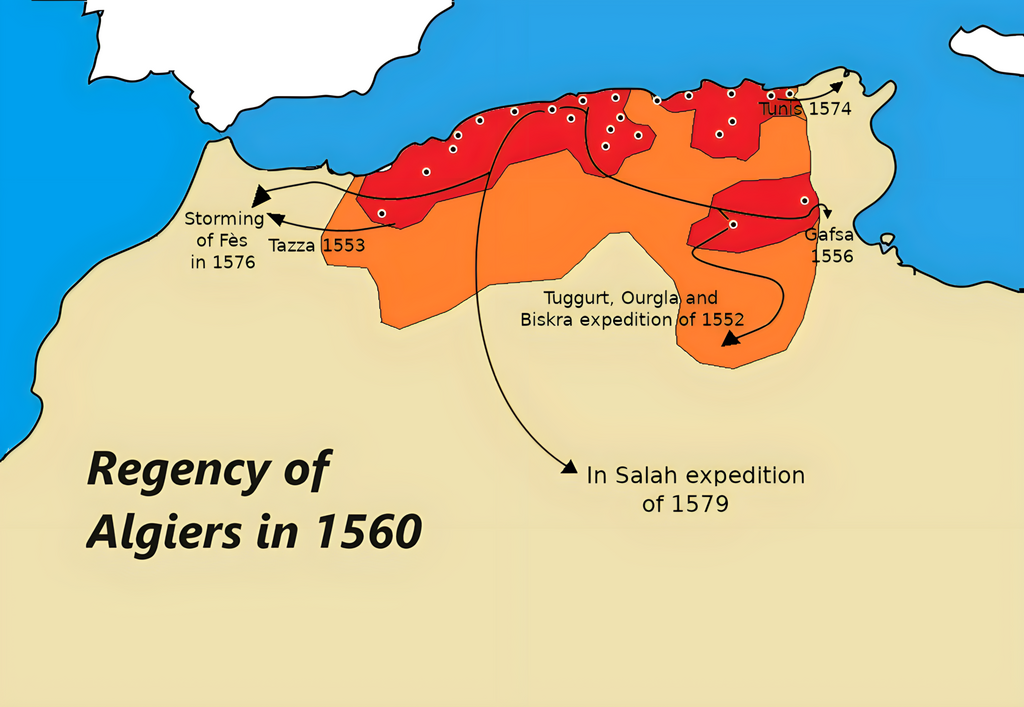
A massive French force landed and quickly captured Algiers. The conquest of the rest of the country, however, was a long and brutal affair. Resistance, led by figures like Emir Abdelkader, was fierce and widespread. It took France decades to fully pacify the territory, employing scorched-earth tactics that devastated the local population and landscape. By 1848, France officially annexed northern Algeria, declaring it an integral part of France.
A Settler Society
France’s goal wasn't just to rule Algeria, but to remake it. The colonial administration systematically seized land from Algerian tribes and religious foundations. This expropriated land was then distributed to European settlers, who became known as pieds-noirs (black feet). These settlers came from France, but also from Spain, Italy, and Malta, drawn by the promise of fertile land and a new life.
This policy had devastating consequences for the indigenous population. Stripped of their most fertile lands, many Algerians were pushed onto marginal terrain or forced into cities to work as cheap labor. The traditional, community-based agricultural system was dismantled and replaced by a colonial economy centered on large, European-owned farms producing cash crops like wine and wheat for export to France.
Two Sets of Rules
Colonial society was deeply segregated. A stark legal and social hierarchy separated the European settlers from the Algerian Muslims. In 1881, the French administration implemented the Code de l'indigénat (Indigenous Code). This set of laws subjected the Muslim population to a separate, and much harsher, legal system.
Under the Indigenous Code, Algerians could be punished without trial for a range of special offenses, were restricted in their movement, and were required to pay heavy taxes from which Europeans were exempt.
While the pieds-noirs were French citizens with full political rights, including the right to elect representatives to the French National Assembly, Algerian Muslims were classified as French "subjects," not citizens. They had no political representation and few legal protections. The French mission to "civilize" Algeria in practice meant entrenching a system of profound inequality.
Rarely, if ever, has colonisation been as brutal as it was when France invaded Algeria in 1830 and then refused to leave for the next 132 years.
The Seeds of Nationalism
In the face of systemic disenfranchisement, different forms of Algerian resistance began to grow. Early movements were led by a small, French-educated elite who initially sought reform, not revolution. Men like Ferhat Abbas argued for assimilation and equality, demanding that France live up to its republican ideals of liberté, égalité, fraternité and grant Algerians full citizenship.
Assimilation
noun
The policy of absorbing a culturally distinct group into the dominant culture. In the French colonial context, it meant that colonized peoples could theoretically become 'French' if they adopted French language, culture, and laws, though in practice this was rarely achievable.
However, as reforms failed to materialize and colonial policies hardened, more radical voices emerged. Figures like Messali Hadj founded nationalist movements calling for outright independence. Religious scholars also played a role, emphasizing Algeria's Arab-Islamic identity as distinct from that of the French colonizers. These different streams of thought laid the intellectual and organizational groundwork for the large-scale armed rebellion that would erupt in 1954.
Now, test your understanding of the key dynamics that shaped this era.
What was the immediate pretext France used to justify its 1830 invasion of Algiers?
The French policy of seizing land from Algerians and redistributing it to European settlers had what major consequence?
The decades of French rule fundamentally reshaped Algerian society, creating deep divisions and grievances that would ultimately lead to a long and painful war for independence.