The AI Ralph Loop Explained
Introduction to AI Development Loops
The AI Improvement Cycle
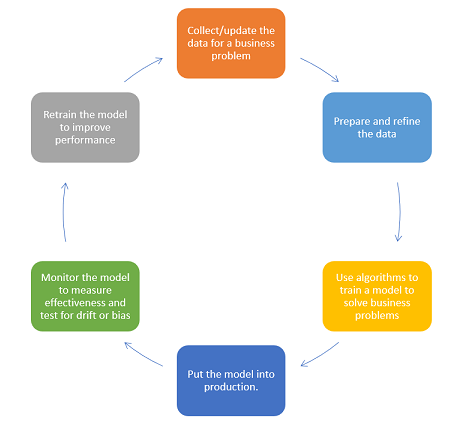
Artificial intelligence doesn't get smart all at once. Think of an AI model like an apprentice learning a new skill. The first attempt is rarely perfect. Instead, it gets better through a process of trial, feedback, and adjustment. This cycle is often called a development loop or a feedback loop.
An AI's first answer is just the starting point. The real magic happens in the refinement that follows.
This loop is a continuous process. An AI performs a task, humans or other systems evaluate the result, and that feedback is used to tweak the AI for the next attempt. Each cycle makes the AI a little smarter, more accurate, and more useful. It’s a fundamental concept that turns a basic program into a powerful, adaptive tool.
Why Iterate?
Iterative refinement is crucial because the world is complex and constantly changing. An AI trained on yesterday's data might struggle with tomorrow's problems. Development loops allow AI systems to adapt.
The benefits are significant:
- Increased Accuracy: Each feedback cycle corrects small errors and tunes the model's performance, leading to more reliable outputs.
- Adaptability: Loops help AI systems adjust to new information, changing user preferences, or unexpected situations.
- Reduced Bias: By continuously evaluating AI outputs, developers can identify and correct harmful biases that may have been present in the initial training data.
Ultimately, iteration makes AI safer and more effective. It’s a built-in quality control process that ensures the technology evolves responsibly.
Incorporating feedback loops in AI agent development ensures that the agent improves over time, adapts to new situations, and maintains long-term relevance.
Loops in Action
You can see AI development loops in many of the tools you use every day.
When a chatbot asks, "Was this response helpful?", your answer feeds back into its learning loop. If you say no, the system flags that interaction for review, helping it learn what not to do next time.
Recommendation engines on streaming services are another great example. When you watch a movie, skip a song, or buy a product, you're providing data. The AI uses this feedback to refine its understanding of your tastes and make better suggestions in the future. It's a constant, personalized cycle of action and refinement.
Ready to check your understanding of AI development loops?
What is the primary purpose of an AI development loop?
When a chatbot asks, "Was this response helpful?" and you answer "No," what is your feedback primarily used for?