The ADKAR Change Management Model
Introduction to Change Management
Why Change Is Hard
Change is a constant in any organization. A company might adopt new software, restructure its teams, or shift its entire business strategy. These transitions, big or small, can be disruptive. Without a plan, they can lead to confusion, lower productivity, and frustrated employees.
This is where change management comes in. It’s not just about announcing a change and hoping for the best. It's a structured way to help people move from a current state to a future one. Think of it as building a bridge. You can't just expect people to leap across a canyon. You need to design a sturdy structure, guide them across, and make sure they feel safe along the way.
Change management is a structured approach for guiding individuals through organizational change, preparing, equipping and supporting them so they can successfully adopt new ways of working.
The goal is to minimize resistance and maximize the benefits of the new way of doing things. When done well, it ensures that changes are implemented smoothly and that the desired outcomes are actually achieved. It turns a potentially chaotic process into a manageable one.
change management
noun
The systematic approach to dealing with the transition or transformation of an organization's goals, processes, or technologies.
Effective change management isn't about forcing people to adapt. It's about leading them through the transition by addressing their concerns, providing support, and clearly communicating the reasons behind the change.
Models for Managing Change
Over the years, experts have developed several models to help guide organizations through transitions. These frameworks provide a roadmap, outlining key steps and considerations. While no single model is a perfect fit for every situation, understanding a few of the most common ones provides a powerful toolkit.
| Model | Core Idea | Best For |
|---|---|---|
| Lewin's Model | A simple three-stage process: Unfreeze, Change, and Refreeze. | Simple, straightforward changes where the end state is very clear. |
| Kotter's 8-Step Model | A detailed, top-down approach focused on creating urgency and building a guiding coalition. | Large-scale, top-down organizational transformations. |
| The Satir Model | Focuses on the emotional journey people experience during change, moving through phases like Chaos and Integration. | Understanding and navigating the human and emotional impact of change on team performance. |
Let's break down Lewin's model, as its simplicity makes it a great starting point.
- Unfreeze: This first stage is about preparing for the change. It involves breaking down the existing way of doing things and communicating why a new approach is needed. It's about creating a motivation to change.
- Change: Here, the new processes and practices are implemented. This is the stage where people learn new behaviors and skills. Clear communication and strong support are critical.
- Refreeze: In the final stage, the change is cemented and becomes the new standard. The goal is to stabilize the organization in its new state and ensure people don't revert to the old ways.
Each model offers a different lens through which to view the process. The key is to choose a framework—or combine elements from several—that best suits the specific change your organization is facing.
Common Roadblocks
Even with a great model, implementing change is rarely easy. Several common challenges can derail the process.
One of the biggest hurdles is resistance from employees. People are often comfortable with the status quo. Change can feel threatening, especially if it's not communicated well. They might worry about their job security, their ability to learn new skills, or simply dislike the disruption to their routines.
Fear of the unknown is a powerful force. If employees don't understand why a change is happening or what it means for them, they are likely to push back.
Poor communication is another frequent point of failure. If leadership announces a major shift in a single email and provides no further updates, employees will fill the information vacuum with rumors and anxiety. Communication needs to be clear, consistent, and two-way, allowing people to ask questions and voice concerns.
Finally, a lack of support from leadership can be fatal. If managers aren't visibly championing the change, it sends a message that it isn't important. Leaders must not only endorse the change but also provide the necessary resources, training, and encouragement to see it through.
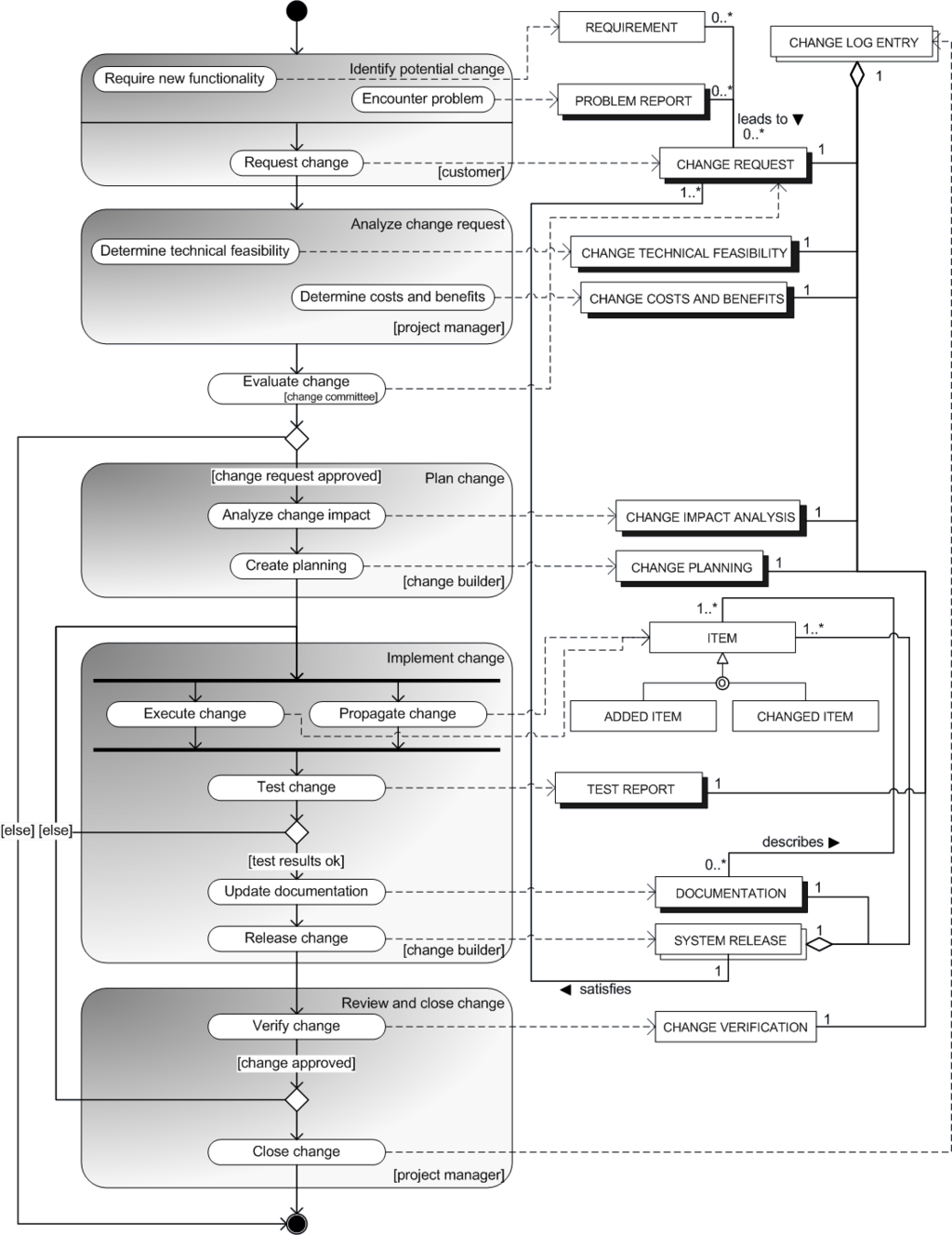
Overcoming these challenges requires a proactive, empathetic approach. It means anticipating resistance, communicating openly, and ensuring that leaders are actively involved and supportive every step of the way.
Now, let's test your understanding of these foundational ideas.
What is the primary goal of change management?
According to Lewin's Change Management Model, what is the purpose of the 'Unfreeze' stage?
Understanding these core principles is the first step toward successfully navigating any organizational shift. By planning for the human side of change, you build a foundation for lasting success.