The Addie Model Explained
Origins of ADDIE
A Military-Grade Method
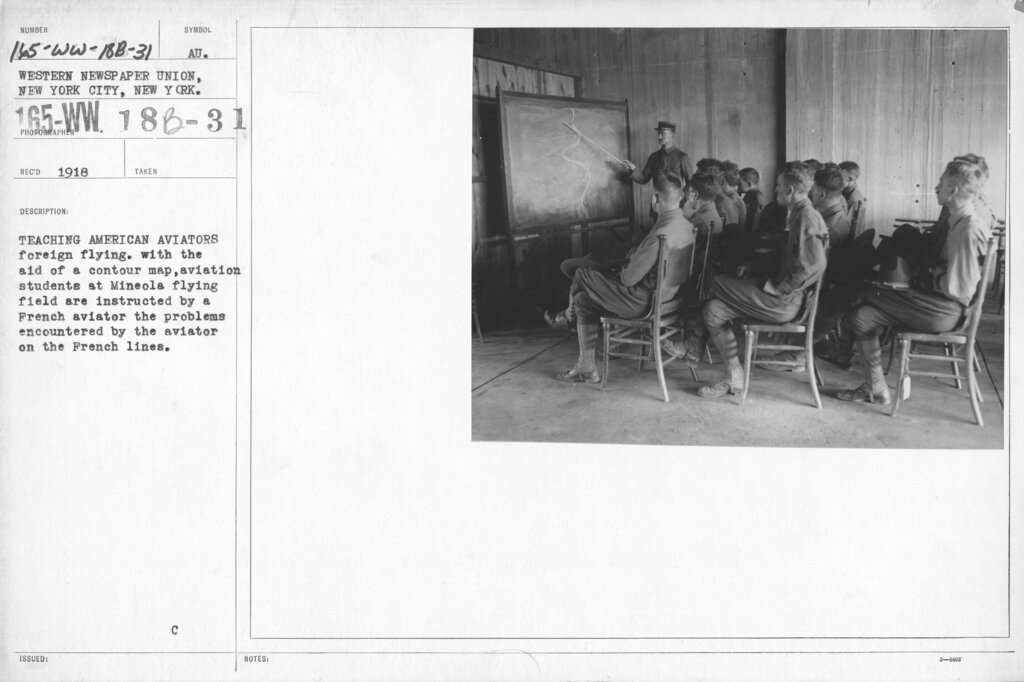
To understand the ADDIE model, we have to go back to the 1970s. The U.S. military needed a consistent and effective way to train its personnel on a massive scale. How do you make sure every soldier, sailor, and airman learns the same material to the same standard, no matter who the instructor is? You need a system.
In response to this challenge, the Center for Educational Technology at Florida State University developed a model that would become the foundation for ADDIE. This work was part of a larger field called Instructional Systems Development, or ISD.
Instructional Systems Development
noun
A systematic approach to designing and developing high-quality instructional materials and experiences.
ISD provides a structured process for the entire training lifecycle, from figuring out what needs to be taught all the way to delivering and evaluating the instruction. The model developed at FSU was a specific, repeatable recipe within this broader ISD cookbook.
The Original Blueprint
Initially, the model was strictly linear. It was a one-way street where you had to complete each step before moving to the next. There was no jumping ahead or circling back. The process looked like a straightforward assembly line for creating training.
Each phase had a clear purpose:
- Analysis: Figure out who needs training and what they need to learn.
- Design: Outline the learning objectives, course structure, and content.
- Development: Create the actual course materials, like manuals and lesson plans.
- Implementation: Deliver the training to the learners.
- Evaluation: Check if the training worked as intended.
This rigid, step-by-step approach provided the structure and discipline the military required. It ensured that nothing was missed and that the final product was comprehensive and well-planned.
This early version of ADDIE established the core phases that are still recognized today, even though the model itself has become much more flexible.
Time to review the origins of this foundational model.
The model that became the foundation for ADDIE was initially created in the 1970s to address a large-scale training need for which organization?
True or false: The earliest version of the instructional design model that led to ADDIE was flexible, allowing developers to circle back and revisit previous phases at any time.
This systematic foundation, born out of a practical need, is why ADDIE has remained a cornerstone of instructional design for decades.