The Acting Career of Christoph Waltz
Early Life and Education
A Theatrical Upbringing
Christoph Waltz was born in Vienna, Austria, on October 4, 1956. To say he was born into the world of theater is an understatement. The stage wasn't just a career path; it was his family's legacy. His parents, Johannes Waltz and Elisabeth Urbancic, were both accomplished designers. His father designed sets, and his mother created costumes, shaping the visual worlds of countless productions.
The family's connection to performance ran even deeper on his mother's side. His maternal grandmother, Maria Mayen, was a celebrated actress at the Burgtheater, one of Vienna's most prestigious stages. Imagine growing up hearing stories not just about your parents' work behind the scenes, but about your grandmother captivating audiences from the stage.
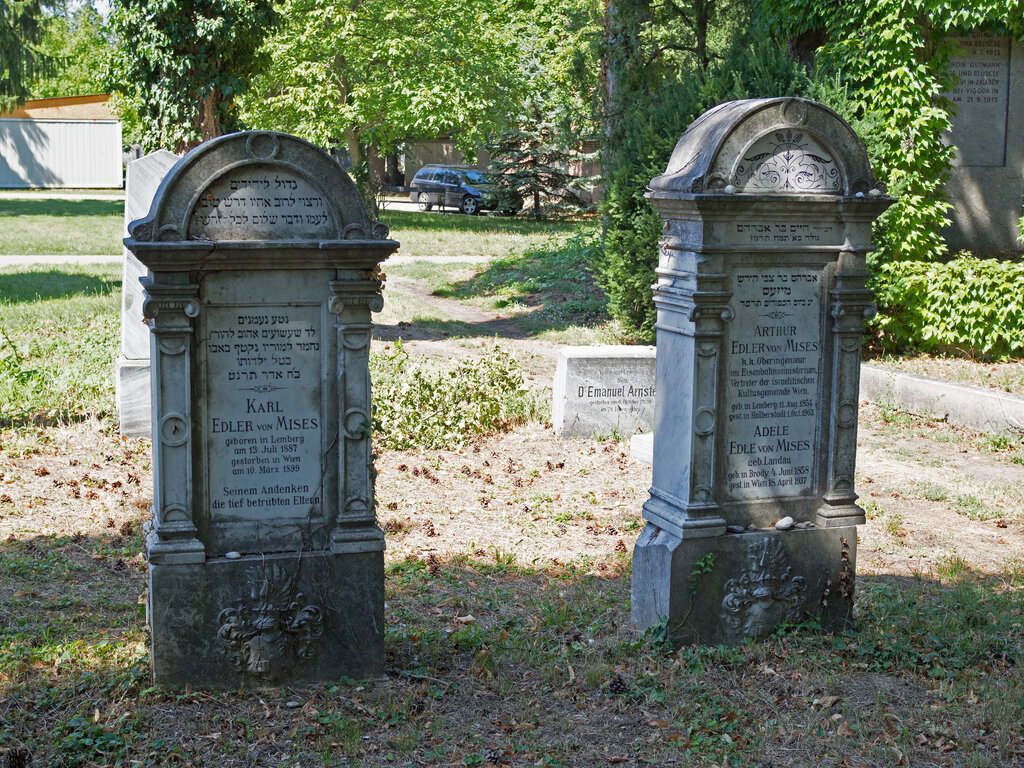
Interestingly, his maternal grandfather, Rudolf von Urban, was not in the arts. He was a psychiatrist who studied under Sigmund Freud. This blend of artistic immersion and psychological inquiry in his family background provided a unique environment for a future actor known for his deeply intelligent and complex character portrayals.
Formal Training
With such a heritage, it was almost natural for Waltz to pursue acting. He enrolled at the renowned Max Reinhardt Seminar in Vienna, a top-tier institution that has trained generations of German-speaking actors. There, he learned the foundational techniques of his craft in a city steeped in artistic history.
The Max Reinhardt Seminar is named after the influential Austrian-American theater director who emphasized a holistic approach to stage production.
But Waltz's training didn't stop in Vienna. He felt the pull of a different approach to acting, one that was gaining prominence in America. He moved to New York City to study at the Lee Strasberg Theatre and Film Institute. This decision exposed him to "the Method," an acting technique focused on drawing from an actor's own emotional memories to create a more realistic performance. This dual education, rooted in both classical European tradition and American psychological realism, equipped him with a remarkably versatile toolkit.