The Absurdist World of Daniil Kharms
Introduction to Daniil Kharms
An Absurdist in the Soviet Age
In 1905, a boy named Daniil Yuvachev was born in Saint Petersburg, then the glittering capital of the Russian Empire. The city was a hotbed of artistic and political ferment, standing on the brink of revolution. Growing up, Daniil would witness the fall of the Tsar, the rise of the Bolsheviks, and the birth of the Soviet Union. He would also adopt a new name for himself: Daniil Kharms.
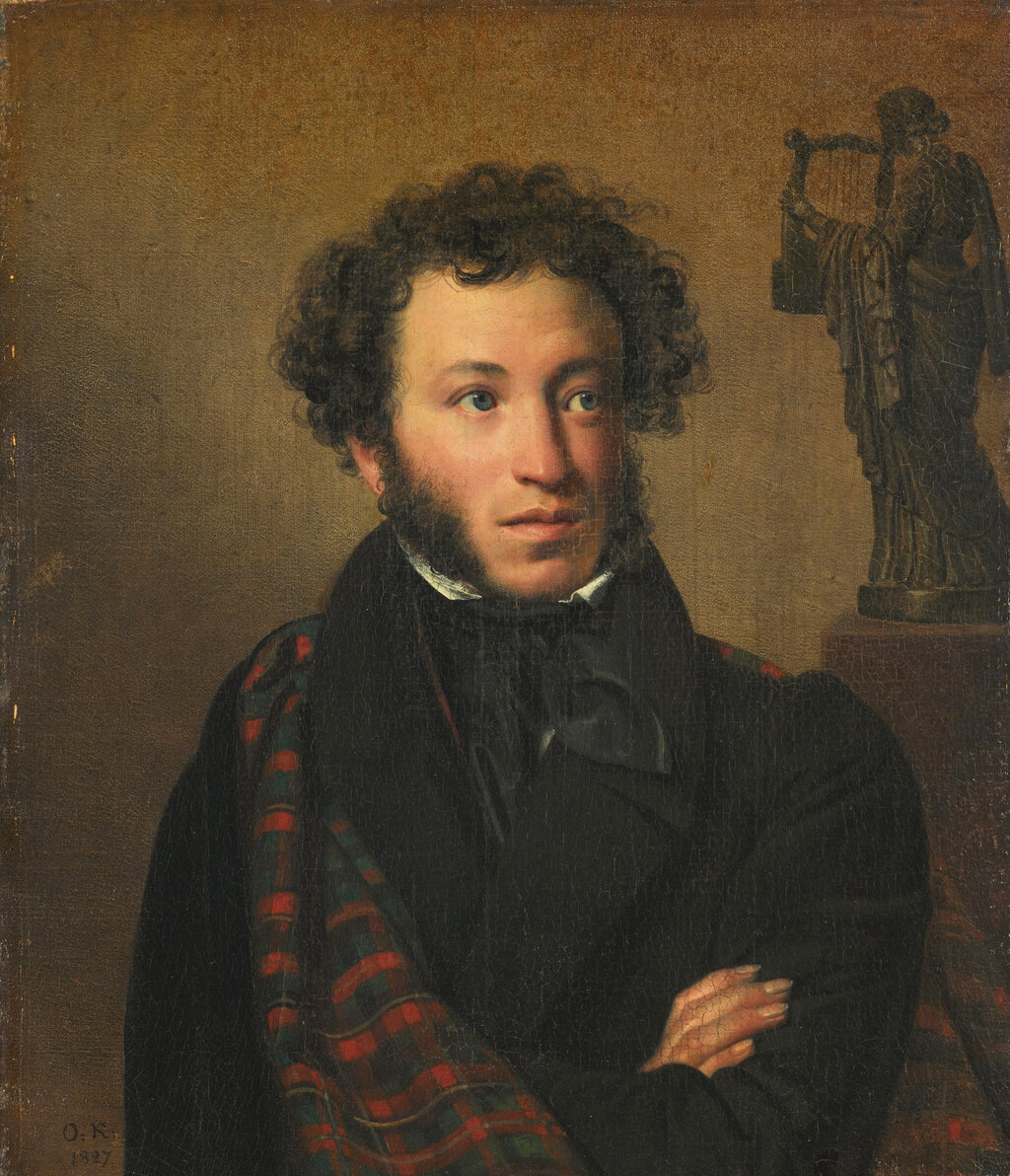
Kharms came of age during Russia's Silver Age, a period of incredible creative energy. Artists and writers were breaking old rules and inventing new forms. Movements like Symbolism, Acmeism, and Futurism flourished, each trying to find a new way to capture the chaos and excitement of the modern world. This was the environment that shaped Kharms, instilling in him a love for experimentation and a deep skepticism of established conventions.
The Union of Real Art
As a young man in the 1920s, Kharms became a leading figure in one of the last avant-garde collectives in Soviet Russia: the Oberiu. The name was an acronym for Ob'edinenie Real'nogo Iskusstva, or the Union of Real Art. The members, who included poets, writers, and artists, were united by a shared desire to strip away layers of conventional meaning and see the world with fresh eyes.
avant-garde
noun
New and experimental ideas and methods in art, music, or literature.
What was their 'real art'? It was an art of the absurd. The Oberiu believed that the logic of everyday life was a kind of prison for the mind. They wanted to liberate objects and words from their usual associations. Their poetry and theatrical performances were filled with illogical events, bizarre characters, and sudden, jarring shifts in tone. A typical Oberiu evening might involve poets reciting nonsensical verses while throwing porcelain plates, all in an effort to shock the audience out of its passive state.
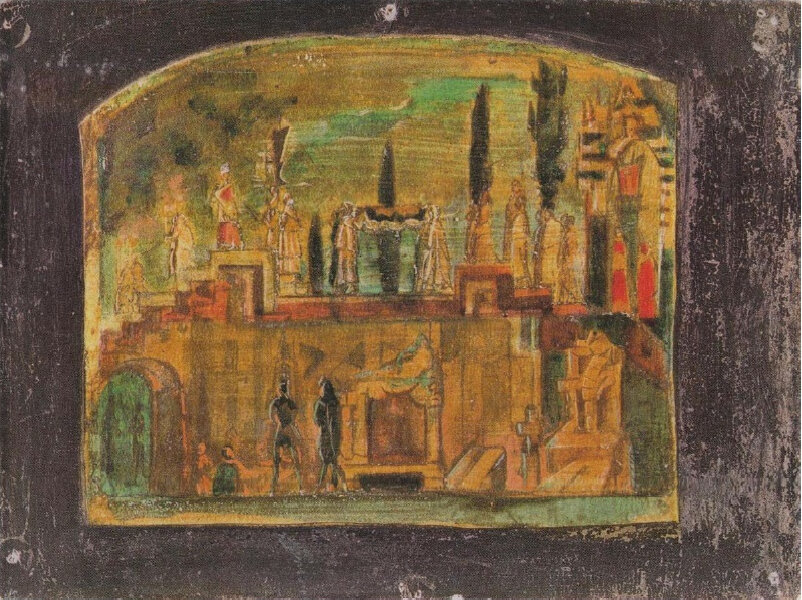
Kharms was the group’s most brilliant writer. His short, fragmented pieces captured the Oberiu's philosophy perfectly. In his world, people could disappear mid-sentence, objects could defy the laws of physics, and stories often ended without any resolution. For a brief time, their playful, challenging art found a niche, even in the increasingly rigid cultural landscape of the Soviet Union.
A Shifting World
The creative freedom of the 1920s did not last. By the end of the decade, the Soviet state began to demand a single, official style of art: Socialist Realism. This style was meant to be straightforward, optimistic, and dedicated to glorifying the state and its workers. There was no room for the ambiguity, absurdity, and individualism of the avant-garde.
The Oberiu was officially banned in 1930. The state declared their work 'anti-Soviet.' Members were forbidden from publishing and performing. Kharms, like his peers, was pushed to the margins. He survived by writing children's literature, a field that allowed for a degree of whimsy and imagination, but he was always under the watchful eye of the authorities.
The historical and cultural context is key. The experimental energy of the early 20th century gave birth to Kharms's style, while the tightening grip of the Soviet state ultimately silenced it.
Kharms continued to write his 'adult' works in private, filling notebooks with the strange, funny, and often dark vignettes he is now known for. He faced persecution and poverty, but he never abandoned his unique artistic vision. His life story is inseparable from the turbulent history of early 20th-century Russia, a period of both breathtaking artistic possibility and brutal political repression.