The 33rd Punjab Regiment A Military History
Understanding Military Regiments
The Building Blocks of an Army
Armies are vast, complex organizations, but they are built from smaller, more manageable pieces. The most fundamental of these is the regiment. Think of a regiment as a large military family. It's the primary administrative and tactical unit that provides a sense of identity, tradition, and loyalty for its soldiers.
Regiment
noun
A permanent military unit, typically commanded by a colonel, consisting of several smaller units such as battalions, companies, or squadrons.
For centuries, the regiment has been the institution through which soldiers are recruited, trained, and deployed. It's more than just a name or a number on a chart; it's a community with its own history, customs, and honors. This strong sense of belonging, often called esprit de corps, is crucial for morale and combat effectiveness.
From Mercenaries to Modern Units
The concept of the regiment didn't appear overnight. It evolved over hundreds of years. Early armies were often temporary forces raised by feudal lords or hired bands of mercenaries. These groups lacked the permanent structure and loyalty to a state that define a modern regiment.
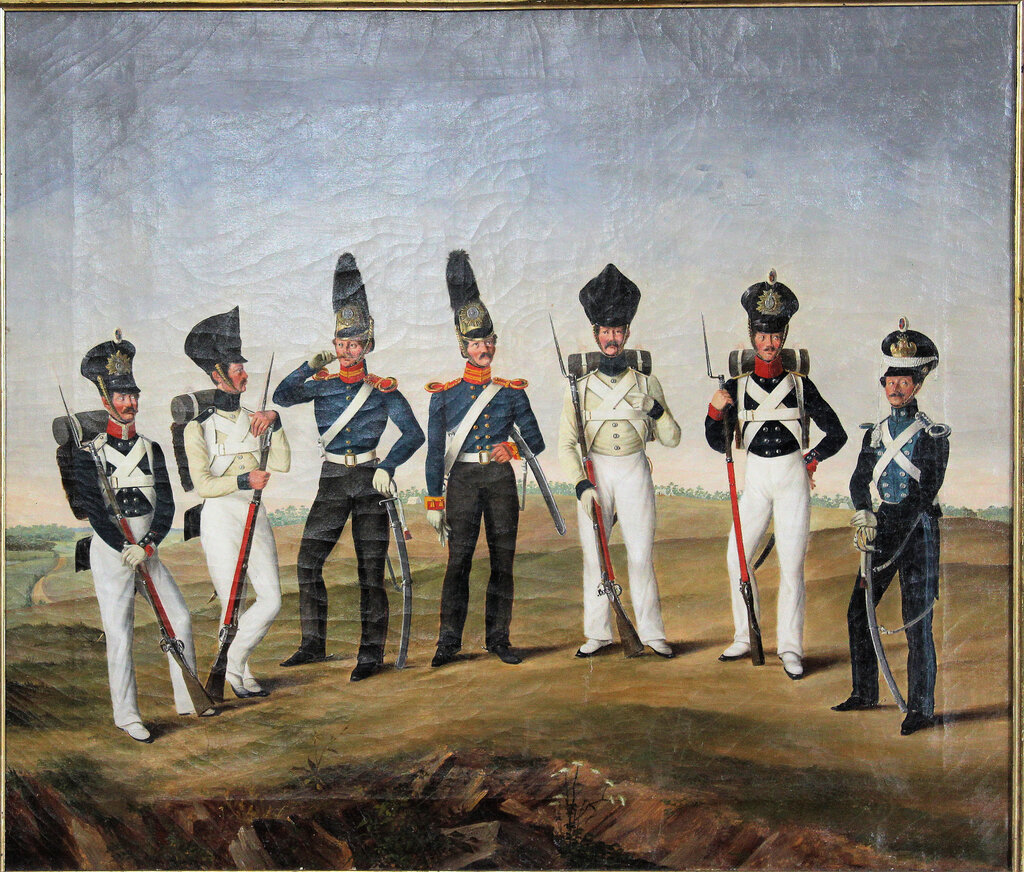
The shift began in Europe around the 17th century. As nations formed standing armies, they needed a way to organize them permanently. They created regiments, each with a unique name, a designated commander (a colonel), and often a specific uniform to distinguish its soldiers on the battlefield. These early regiments were a way for the state to standardize training, equipment, and command.
How a Regiment is Organized
While the exact structure varies between different armies and eras, a regiment is typically organized in a clear hierarchy. This ensures that orders can be passed down efficiently from the commander to every single soldier. A single regiment is usually too large to be commanded directly in a battle, so it's broken down into smaller, more flexible units.
Here's a common breakdown:
- Battalion: The largest sub-unit of a regiment, often containing 500 to 1,000 soldiers.
- Company: A battalion is made up of several companies, each with around 100 to 200 soldiers.
- Platoon: A company is divided into platoons of about 30 to 50 soldiers.
- Squad: The smallest unit, a platoon is made up of squads, typically with 8 to 12 soldiers.
This structure allows a large force to operate with precision, whether on the parade ground or in combat.
A regiment is also defined by its role. While we often think of infantry (foot soldiers), armies need many specialists. Regiments can be composed of cavalry (historically on horseback, now often in armored vehicles), artillery (operating large guns), engineers (building and destroying structures), or logistics experts (managing supplies). By specializing, each regiment hones its skills to become experts in a particular aspect of warfare.
Strategic Importance
On a strategic level, the regimental system provides armies with a consistent and reliable way to manage their forces. It simplifies administration, from payroll to provisions. For commanders, it provides a predictable set of building blocks to assemble a larger army for a campaign.
A commander knows that a particular infantry regiment is trained for forest warfare, or that an artillery regiment is equipped with the latest long-range cannons. This allows them to mix and match units to create a balanced force capable of tackling any objective. The regiment is the key to turning thousands of individual soldiers into a coordinated and effective fighting force.
What is the primary function of a regiment in a modern army?
The strong sense of community, morale, and belonging within a regiment is known as ________.
Understanding the regimental system is the first step to understanding how historical armies were organized and deployed for battle.