The 2026 Polyglot Protocol
Neurolinguistic Protocol Foundation
The Polyglot Protocol
You already have a solid grasp of syntax and phonology. Now, it's time to upgrade the operating system that runs your language learning. The Polyglot Protocol isn't about memorizing more vocabulary or drilling verb charts. It’s a framework for rewiring how your brain processes and acquires language, built on principles from neuroscience.
This approach shifts the focus from 'studying' a language to creating the mental conditions for it to be absorbed naturally. The goal is to move beyond the classroom and build the intuitive, subconscious competence of a native speaker. We'll start with the foundational split that defines modern language acquisition.
Acquisition vs. Learning
The most critical concept in this framework is the . Think about how you learned your first language. You didn't study grammar rules or memorize lists of words. You acquired it by being immersed in a sea of meaningful communication. You listened, you pointed, you babbled, and eventually, you spoke. This is acquisition: a subconscious process that feels effortless and results in fluency.
Learning, on the other hand, is the conscious process you’re familiar with from school. It involves direct instruction, error correction, and the memorization of explicit rules. While useful for building a foundational knowledge of a language's structure, relying solely on learning creates a permanent barrier. You become a student who can ace a test but freezes in a real conversation, busy trying to recall the correct conjugation for a past tense verb.
The 2026 standard for language education fully embraces this distinction. The goal is no longer to 'learn' a language but to create the optimal environment for your brain to acquire it. The conscious learning of grammar becomes a tool to notice patterns in the language you hear and read, not a set of instructions to be followed during speech.
Acquisition gives you the ability to use language without thinking about it. Learning gives you the ability to talk about the language.
Coaching Your Brain
To foster acquisition, we use techniques from . This isn't about a teacher drilling you. It's a partnership focused on understanding how your specific brain learns best. A key principle is leveraging the brain's natural reward systems. When you successfully understand or communicate something, your brain releases dopamine, reinforcing the neural pathways used. Traditional methods, with their focus on mistakes, can trigger a threat response, flooding your system with cortisol and hindering learning.
Neurolanguage Coaching creates a state of relaxed alertness, perfect for absorbing new information. It encourages curiosity and play, turning language learning into a process of discovery rather than a chore. The focus is always on communication and meaning, which is what the brain is wired to prioritize.
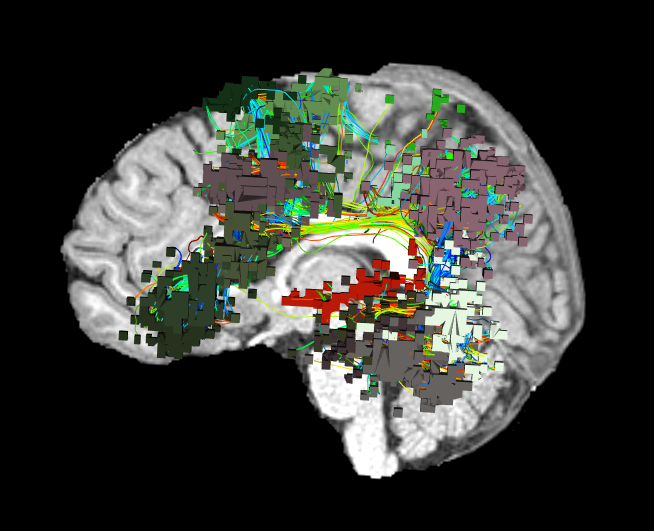
This leads to the crucial practice of metacognition, or 'thinking about your thinking.' It’s the ability to step back and observe your own learning process. What parts of the language feel easy? Where do you consistently get stuck? By identifying these personal linguistic bottlenecks, you can stop wasting time on what you already know and target your weaknesses with precision.
For example, you might realize through metacognition that you understand written text perfectly but can't follow a fast-paced conversation. Your bottleneck isn't vocabulary or grammar, but auditory processing speed. With that knowledge, you can shift your focus to listening exercises instead of drilling more flashcards.
| Traditional Approach | Metacognitive Approach |
|---|---|
| "I need to study more grammar." | "Which specific grammar concept is blocking my communication right now?" |
| "My vocabulary is too small." | "What are the 100 most common words in conversations I want to have?" |
| "I keep making mistakes." | "What is the pattern behind my most common error? Is it interference from my native language?" |
This self-awareness is the engine of a . Many learners carry limiting beliefs, such as "I'm just not good at languages" or "I'll never sound like a native speaker." These thoughts aren't just discouraging; they actively inhibit the brain's ability to form new connections.
A mindset redesign involves replacing these beliefs with empowering ones based on the principles of neuroplasticity. Your brain is not fixed. It is designed to adapt and change. Every time you engage with the language, you are physically altering your brain's structure. Understanding this turns frustration into a signal to try a different strategy, not a sign of failure.
These concepts form the foundation of the Polyglot Protocol. By shifting from learning to acquisition, coaching your brain with neuroscience, and developing a growth mindset, you set the stage for rapid, sustainable fluency.
According to the Polyglot Protocol, what is the primary difference between language 'acquisition' and language 'learning'?
What is the main goal of Neurolanguage Coaching?