The 2023 Cancer Cure Breakthrough Explained
Introduction to Cancer Biology
When Good Cells Go Bad
Cancer begins with a breakdown of the rules. Our bodies are made of trillions of cells that follow a strict code of conduct. They grow, divide, and eventually die in an orderly process called apoptosis. This cycle keeps us healthy. Cancer is what happens when cells stop following this code. They begin to grow and divide without any control, ignoring the signals to stop.
It's not just one disease. Cancer is a collection of over 100 different diseases, all defined by this uncontrolled cell growth. We name them based on where they start. Cancers that begin in the skin or in tissues that line other organs are called carcinomas. Those that form in bone, cartilage, fat, or muscle are sarcomas. Leukemia is cancer of the blood, and lymphomas start in the immune system.
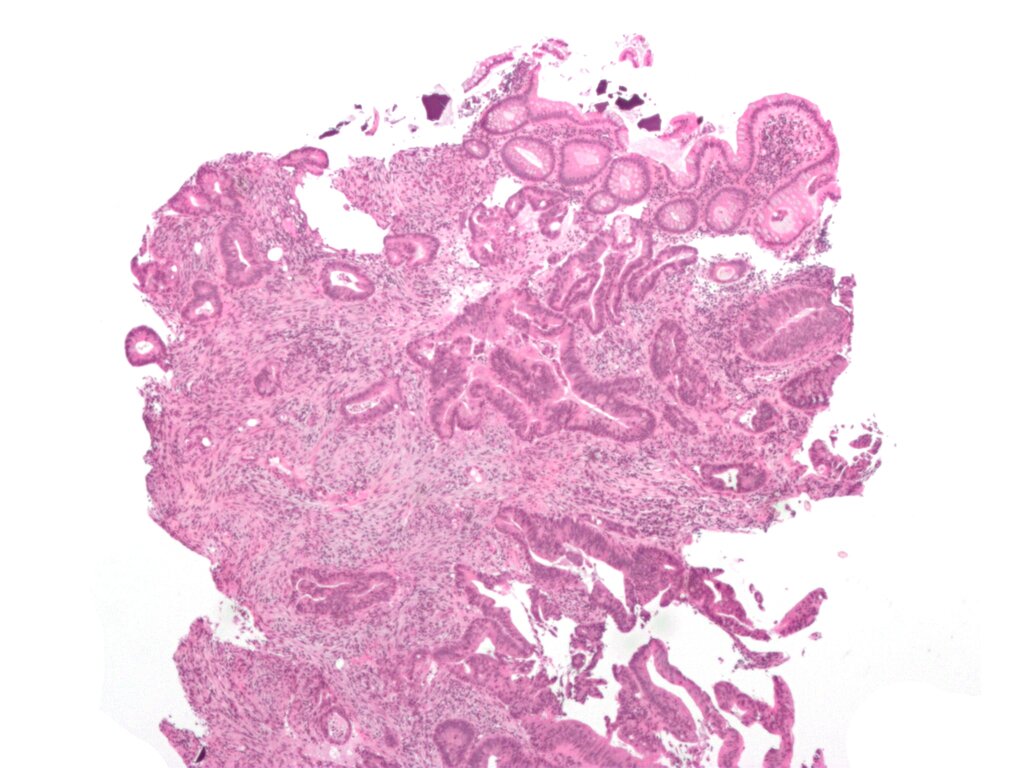
The switch from a healthy, rule-following cell to a cancerous one is a process called transformation. A transformed cell doesn't just divide relentlessly; it also loses its original purpose. A healthy lung cell does the work of a lung cell. A cancerous lung cell is just focused on making more copies of itself.
A Faulty Blueprint
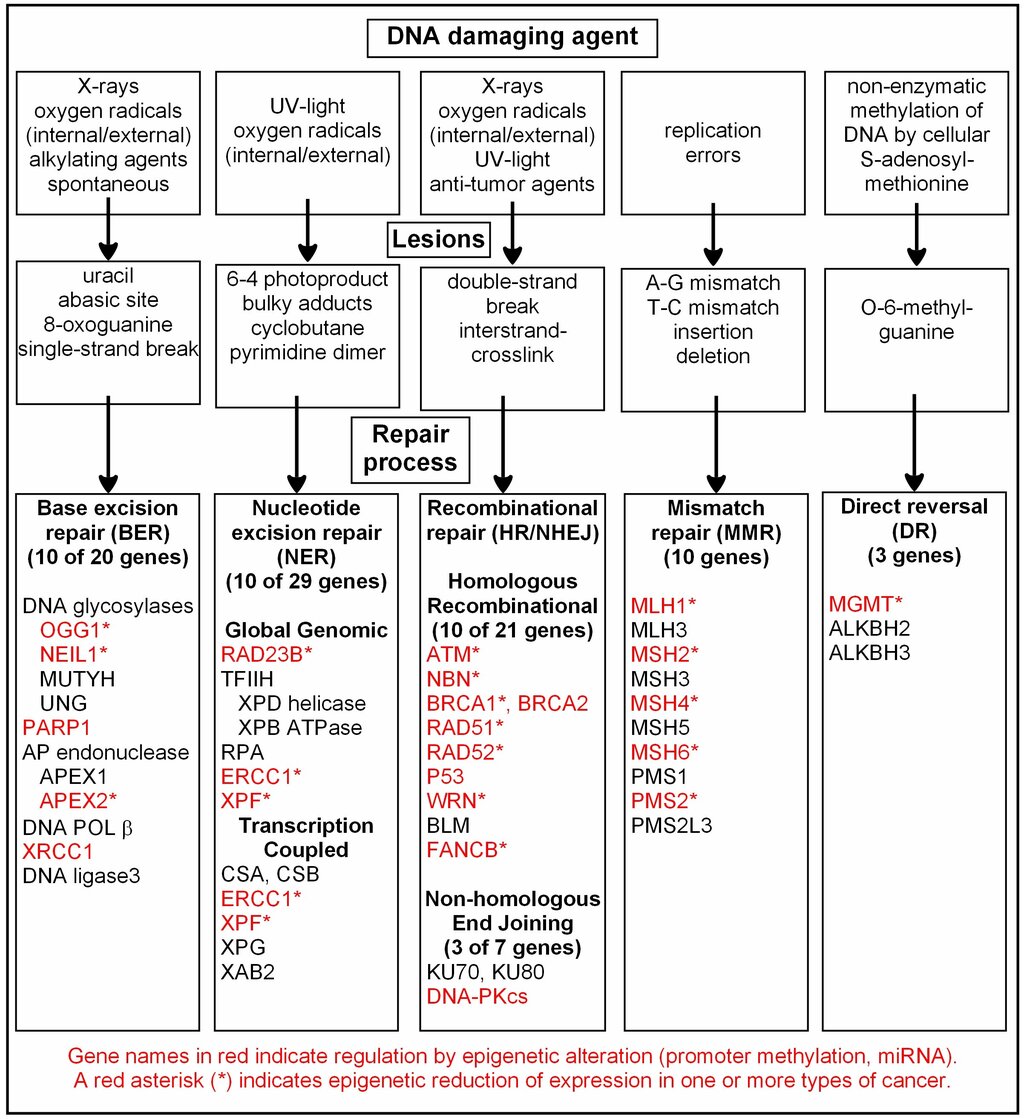
The instructions for cell behavior are written in its DNA, organized into genes. Think of it like a biological blueprint. A mutation is simply an error in that blueprint, a change in the DNA sequence. Sometimes these errors are harmless. Other times, they can alter the instructions that control cell growth.
Imagine a car's engine. It needs a gas pedal to go and brakes to stop. Our cells have similar systems encoded in their genes. Two types of genes are critical here.
Oncogenes are like a gas pedal that's stuck to the floor. They are mutated versions of normal genes (called proto-oncogenes) that tell the cell to grow and divide. When they become oncogenes, they are permanently turned on, telling the cell to divide, divide, divide.
Then you have the brakes.
Tumor suppressor genes are the cell's braking system. They are responsible for slowing down cell division, repairing DNA mistakes, or telling cells when it's time to die. When a mutation occurs in a tumor suppressor gene, it's like the brakes have failed. The cell can no longer stop itself from dividing.
Cancer is rarely caused by a single mutation. It usually requires a series of unfortunate events—multiple mutations in these key genes that allow a cell to bypass all of its safety checkpoints. This is why cancer risk increases with age; there's more time for these genetic errors to accumulate.
How a Tumor Grows
The journey from a single rogue cell to a full-blown tumor involves several steps.
Initiation is the first step. This is the moment a cell experiences a mutation that gives it a growth advantage over its neighbors. This single cell starts to divide more than it should.
Progression follows. As this group of abnormal cells grows, it forms a small clump, known as a tumor. These cells continue to divide and accumulate more mutations. Some mutations might allow the tumor to attract its own blood supply in a process called angiogenesis. This gives it the oxygen and nutrients it needs to grow larger.
Eventually, some cells might gain the ability to break away from the original tumor, invade nearby tissues, or travel through the bloodstream or lymphatic system to form new tumors in other parts of the body. This spread is called metastasis.
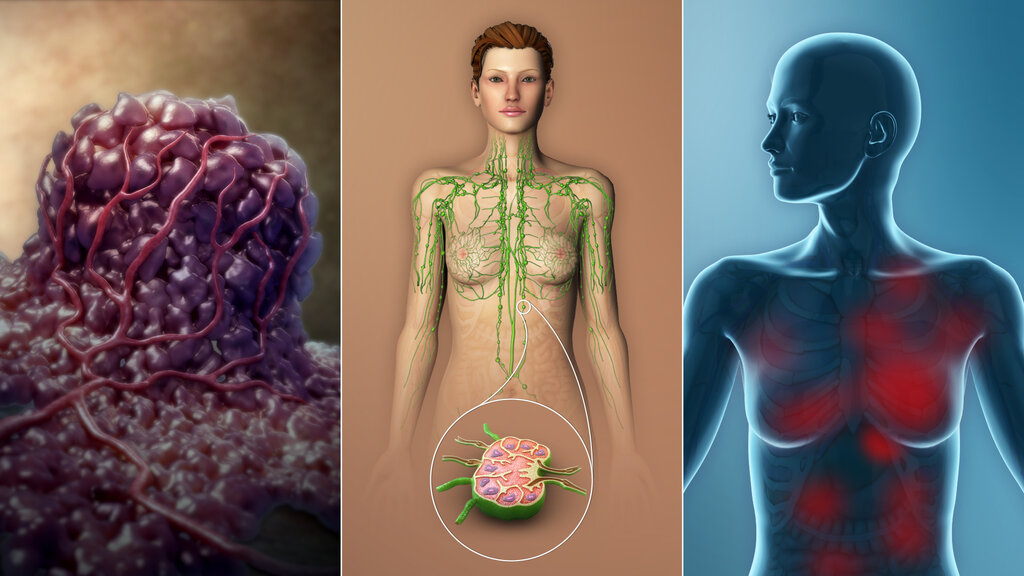
Understanding these fundamental processes—from the initial genetic mutation to a tumor's progression—is the first step in understanding cancer itself. It's a disease of our own cells, where the very instructions that sustain life are turned against us.
What is the fundamental characteristic that defines all types of cancer?
A cancer originating in the tissues that line the lungs would be classified as a...