Textual History of Fengshen Yanyi
Bibliographic Foundations
The Novel's Two Faces
Like Shuihu Zhuan, Fengshen Yanyi (Investiture of the Gods) began as a collection of popular oral tales before being shaped into a vernacular novel during the late Ming dynasty. This transition from spoken story to printed book wasn't a single event. It was a messy, commercial process that left scholars with a fascinating puzzle: multiple distinct versions of the novel from its earliest days.
These versions are sorted into two primary families, or recensions, known as 'A' and 'B'. The 'A' recension texts are generally simpler and more direct. They feel closer to the raw energy of a storyteller's performance, focusing heavily on action and supernatural spectacle. They are often shorter and less polished.
The 'B' recension is more refined. These editions are more literarily ambitious, smoothing out the prose and adding layers of historical and political detail to the narrative. It is this 'B' lineage that produced the standard 100-chapter version of the novel that is most famous today. This version became the foundation for almost all subsequent printings.
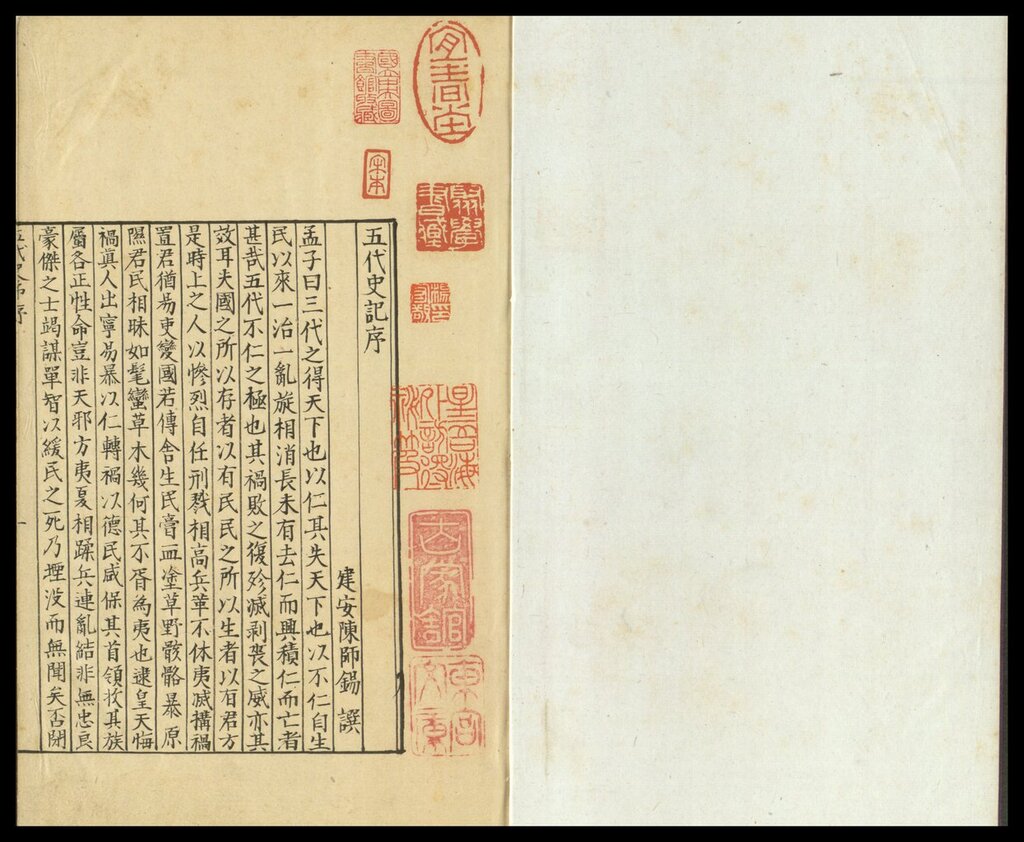
The differences aren't just academic. They reflect a dynamic publishing market in late Ming China, where printers adapted and modified texts to appeal to different audiences. Some readers wanted a straightforward adventure story, while others preferred a more complex literary work. The existence of both the A and B recensions shows printers trying to capture both markets.
The Science of Books
To make sense of these competing versions, scholars turn to (版本學), the traditional Chinese field of edition studies. Think of it as a kind of literary archaeology. Experts in banbenxue examine the physical books themselves—the paper, the style of the carved characters, the illustrations, and the publisher's colophon—to trace the relationships between different editions.
For Fengshen Yanyi, the 100-chapter structure of the 'B' recension became the key identifier for the complete, authoritative text. Early, simpler 'A' versions might have fewer chapters or a different narrative structure entirely. The most prized editions for study are often those from the Wanli reign (1573-1620), a period of booming commercial publishing centered in places like in Fujian province. These commercial printers, motivated by profit, were responsible for the rapid spread and evolution of the novel.
The study of these early editions isn't just about finding the 'correct' version. It's about understanding how a story was told, sold, and read in late Ming China.
This bibliographic foundation is essential. By understanding the divide between the A and B recensions and the commercial world that produced them, we can appreciate the layers of history embedded in the physical text. Every variation in a woodblock print tells a story about the novel's journey from an oral tale to a cornerstone of Chinese literature.