Text to Video Magic
Introduction to Text-to-Video AI
From Words to Motion
At its core, text-to-video AI does exactly what its name suggests: it transforms written text into video. You provide a prompt—a description of a scene, an action, or a mood—and an AI model generates a corresponding video clip. Think of it like a highly advanced illustrator who can also make their drawings move.
The process of creating videos using artificial intelligence algorithms that interpret text or image inputs to produce visual and auditory content.
This technology is significant because it dramatically lowers the barrier to video creation. Traditionally, making a video required cameras, actors, editing software, and specialized skills. Now, anyone with an idea and the ability to describe it can produce visual content. This shift opens up new possibilities for storytellers, marketers, educators, and creators of all kinds, making video production faster, cheaper, and more accessible than ever before.
A Quick Look Back
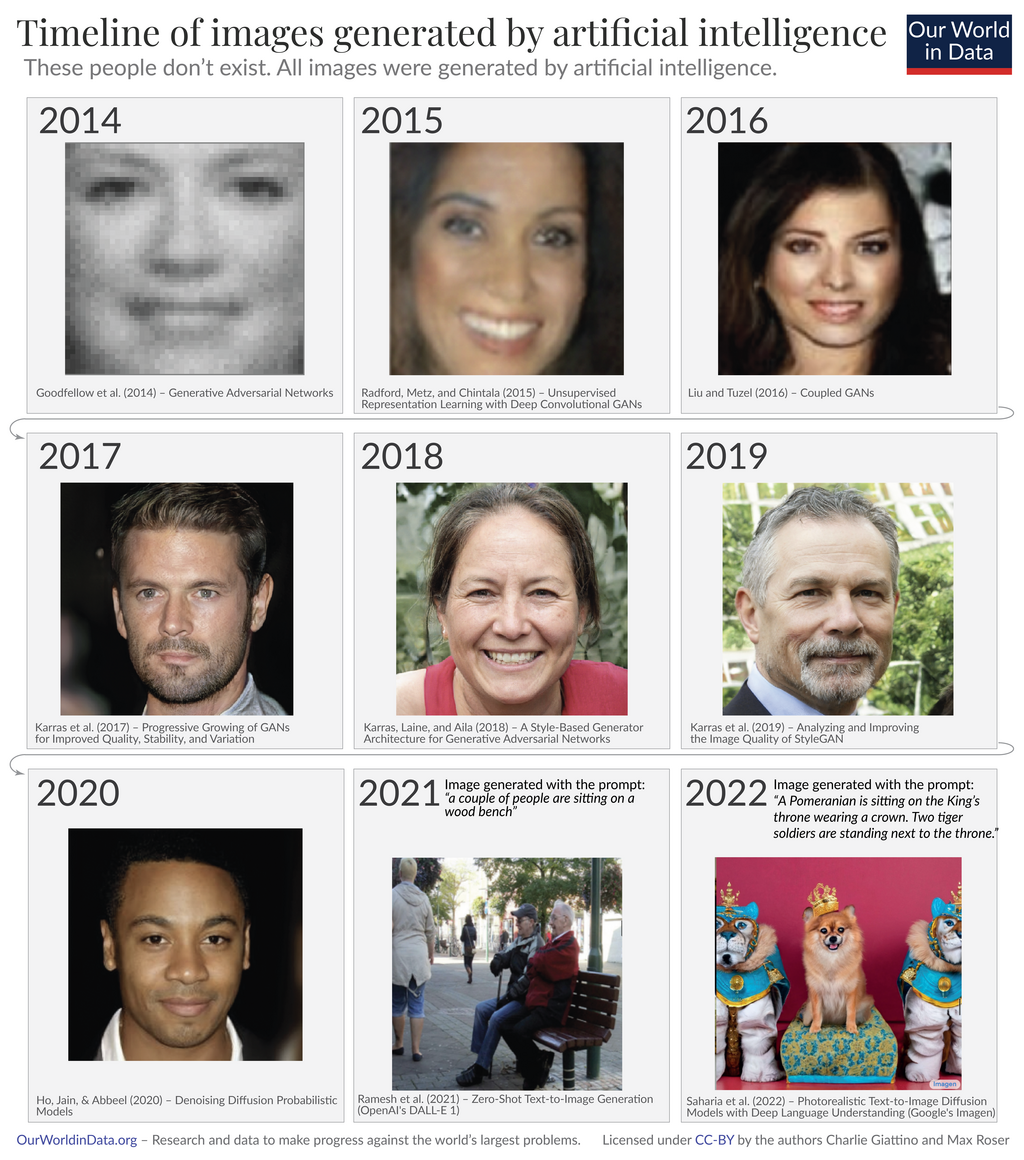
Text-to-video technology didn't appear overnight. It's the result of years of progress in artificial intelligence, building on earlier advancements. The journey began with AI models that could understand and generate text. Then came text-to-image models, which learned to associate words with visual concepts, creating still pictures from prompts.
The leap to video was the next logical step, but it's a much harder one. Video isn't just a series of images; it involves motion, time, and consistency from one frame to the next. Early attempts were often short, blurry, and didn't make much logical sense. However, as the models became more powerful and were trained on vast amounts of video data, their ability to create coherent, high-quality clips improved at an incredible pace.
Tools of the Trade
A growing number of tools are making text-to-video AI accessible to the public. Each has its own strengths, but they all share the same fundamental goal: turning your text prompts into moving pictures. You don't need to understand the complex code behind them to start creating. The main skill is learning how to write clear, descriptive prompts that guide the AI to produce the result you want.
| Tool | Primary Focus | Best For |
|---|---|---|
| Sora (OpenAI) | High-fidelity, realistic video generation | Creating detailed, cinematic scenes. |
| Runway | A suite of creative AI video tools | Artists and filmmakers needing fine control. |
| Pika | Expressive, stylized video clips | Social media content and short animations. |
| HeyGen | AI avatar and presentation videos | Corporate training and marketing videos. |
Where It's Used
The applications for text-to-video AI are broad and expanding quickly across many industries.
In marketing, companies can rapidly generate video ads, social media content, and product demos without expensive film shoots. An idea for a campaign can be visualized in minutes, allowing for quick testing and iteration.
In education, complex concepts can be brought to life through custom animations. A history teacher could generate a short clip of a historical event, or a science teacher could show a molecular process in action.
For entertainment, creators can prototype storyboards, generate short films, or add visual effects that were previously out of reach for independent artists. It empowers a new wave of digital storytelling.
Even in personal communication, people can create unique animated greetings or visual jokes to share with friends and family, making digital interaction more creative and engaging.
Generative AI is rapidly becoming a cornerstone of video ad creation, transforming how campaigns are developed, tested, and scaled, according to IAB, adding that GenAI is now essential for video ad creation, with 86% of buyers using/planning to use it to build video ad creative.
Let's test your understanding of these foundational concepts.
What is the primary function of text-to-video AI?
Which technology was a direct predecessor to text-to-video AI, teaching models to associate words with visual concepts?
This new technology represents a major step forward in how we create and interact with digital media. By understanding the basics, you're ready to explore how to harness its power.