Text to Video AI Explained
Introduction to Text-to-Video AI
From Words to Motion
Imagine typing a sentence and watching it spring to life as a video. That's the core idea behind text-to-video AI. It's a type of generative artificial intelligence that creates video clips from simple text descriptions, called prompts.
You provide the script, and the AI directs, animates, and produces the scene.
This technology is a major leap forward. For decades, creating video required cameras, actors, animators, and complex editing software. It was expensive and time-consuming. Text-to-video AI changes this by making video creation accessible to anyone with an idea. It allows for rapid prototyping of visual concepts and opens up new avenues for storytelling and communication.
A Quick Trip Through Time
The journey to text-to-video AI didn't happen overnight. It builds on years of progress in other areas, especially text-to-image generation. First, AI models learned to create still images from text. These early images were often blurry, strange, and abstract. But as the technology improved, the results became shockingly realistic.
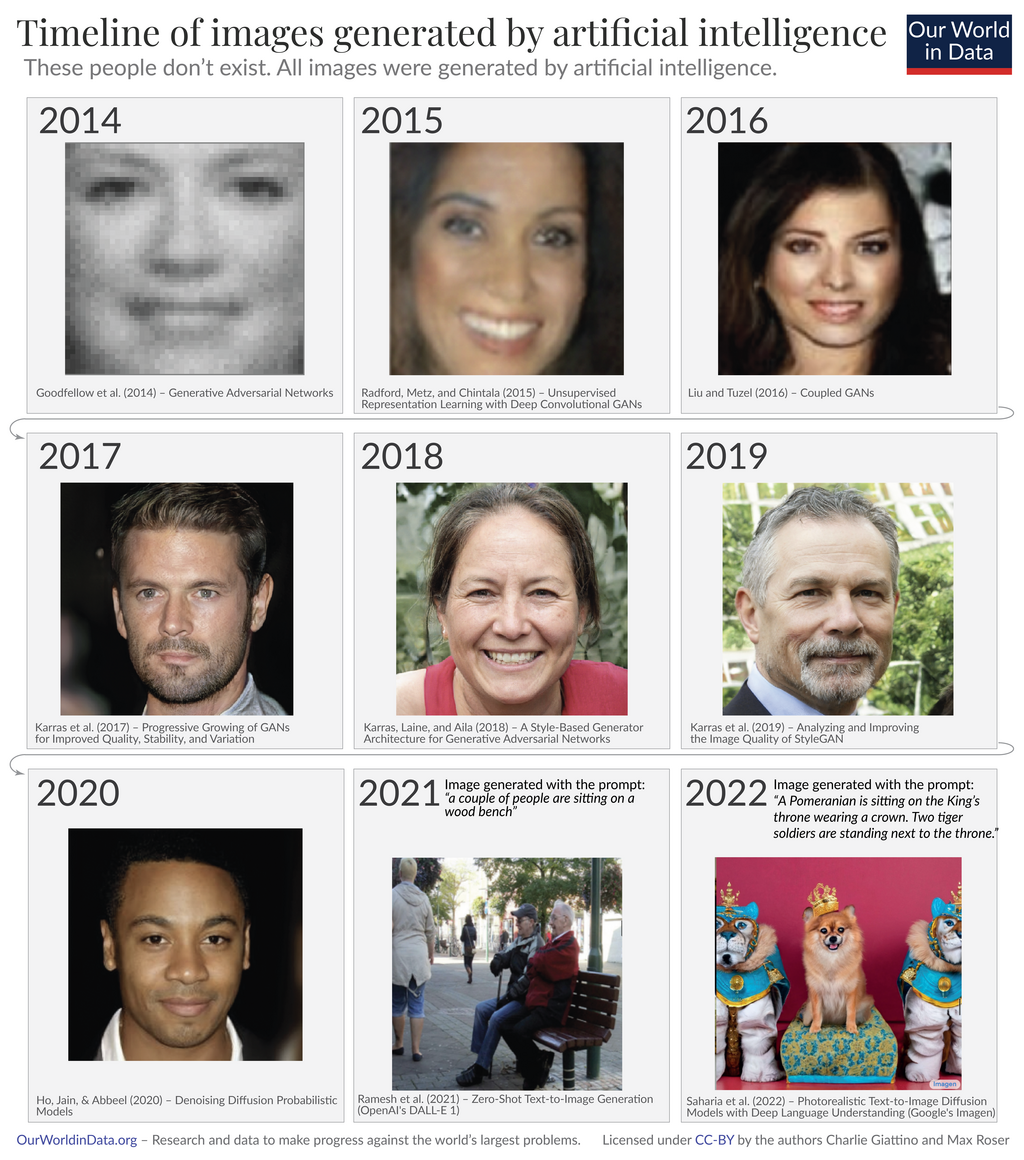
Once AI could reliably create images, the next logical step was making them move. The first text-to-video models produced short, grainy clips that resembled clumsy GIFs. They could handle simple actions but struggled with consistency and logic. An object might change color or shape from one frame to the next.
Today, the technology is far more sophisticated. Models from companies like OpenAI, Google, and Runway can generate high-definition clips that are coherent, detailed, and follow complex instructions. While not yet perfect, the pace of improvement is staggering.
Putting AI to Work
Text-to-video technology isn't just a novelty; it has practical applications across many industries.
In entertainment, it can help filmmakers and game designers visualize scenes before they are shot, create digital backdrops, or even generate entire animated sequences. Marketers can produce unique advertisements and social media content in a fraction of the time and cost. For educators, it offers a powerful tool to create engaging visual explanations of complex topics, from historical events to scientific processes.
Generative AI is reshaping the media landscape, enabling unprecedented capabilities in video creation, personalization, and scalability.
As this technology continues to evolve, it will likely find its way into even more aspects of our digital lives, changing how we create and consume visual media. Let's review what we've covered.
What is the primary function of text-to-video AI?
The development of text-to-video AI was a direct evolution from which preceding technology?
Text-to-video AI is a powerful new frontier, transforming creative workflows and opening up new possibilities for visual storytelling.