Texas Child Custody Best Interests
Introduction to Texas Family Law
The Rulebook for Family Life
Family law deals with some of the most personal parts of our lives. When legal issues arise involving marriage, children, or divorce, there needs to be a clear set of rules. In Texas, that rulebook is the Texas Family Code.
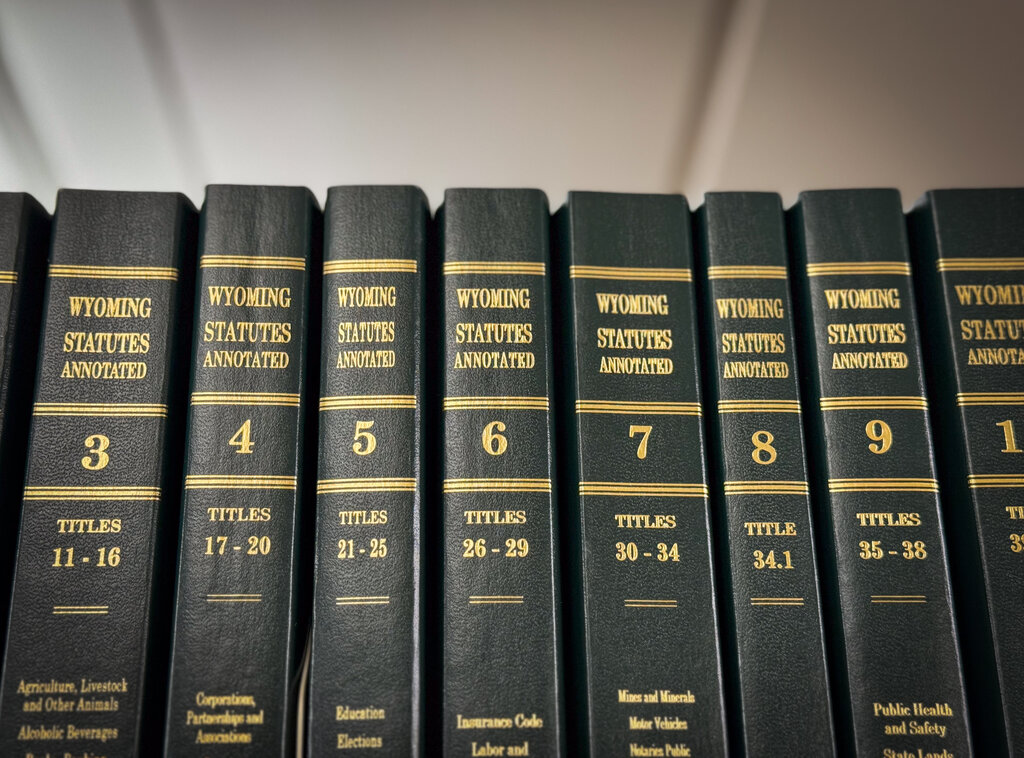
Think of the Family Code as a comprehensive guide that outlines the laws for all family-related matters in the state. It's a large collection of statutes passed by the Texas Legislature that provides the legal framework for how these sensitive issues are handled. Whether it's establishing who a child's legal parents are, the requirements for a valid marriage, or the process for a divorce, the answers are found within this code.
Key Areas of Family Law
The Texas Family Code covers a wide range of topics, but most cases fall into a few key categories. These are the building blocks of family law in the state.
Marriage: The code defines the legal requirements for getting married. This includes age limits, the process for obtaining a marriage license, and rules for who may perform a marriage ceremony. It also outlines the grounds for annulling a marriage or declaring it void.
When a marriage ends, the legal process is called divorce. In Texas, a divorce is formally known as the dissolution of marriage.

Divorce: The Family Code provides the rules for ending a marriage. This includes the grounds for divorce, such as insupportability (often called no-fault divorce), and the procedures for dividing property and debts acquired during the marriage. Texas is a community property state, which has specific implications for how assets are divided.
When children are involved, the court's focus shifts to their care and well-being after a divorce or separation.
Child Custody: In Texas law, custody is referred to as 'conservatorship.' The Family Code lays out how to determine the rights and responsibilities of each parent. This includes making decisions about the child's education and healthcare. It also defines 'possession and access,' which is the schedule that dictates when the child spends time with each parent.
Child Support: This refers to the financial obligation parents have to support their children. The Family Code provides guidelines for calculating the amount of child support one parent pays to the other. The goal is to ensure the child's financial needs are met, and the calculation is typically based on the paying parent's income and the number of children.
The Role of Family Courts
So, where do all these legal processes happen? They take place in family courts. These are specialized courts that hear cases exclusively related to the matters defined in the Texas Family Code.
Family court judges are responsible for interpreting and applying the Family Code to the specific facts of each case. They preside over hearings and trials, listen to evidence presented by both sides, and make rulings that become legally binding orders. Whether it's approving a divorce decree, setting a child support amount, or creating a possession schedule, the family court is where these decisions are made official.
Now, let's review some of the key terms we've just covered.
Ready to check your understanding?
What is the primary purpose of the Texas Family Code?
Who is responsible for creating the statutes found in the Texas Family Code?
The Texas Family Code provides a structured, predictable process for navigating complex and emotional family transitions. By setting out clear laws, it helps ensure that these matters are handled fairly across the state.