Testosterone Physiology and Optimization
Synthesis Pathways
The HPG Axis: Your Body's Hormone Control Centre
The production of testosterone isn't a simple, isolated process. It's tightly controlled by a sophisticated feedback loop called the Hypothalamic-Pituitary-Gonadal (HPG) axis. Think of it as a chain of command starting in your brain.
First, the hypothalamus, a small region at the base of the brain, releases Gonadotropin-releasing hormone (GnRH). This hormone travels a short distance to the pituitary gland, instructing it to release two more hormones: Luteinizing Hormone (LH) and Follicle-Stimulating Hormone (FSH). While both are important for reproductive health, it's LH that acts as the primary signal for the testes to produce testosterone.
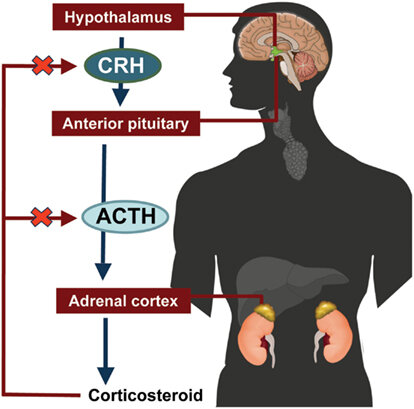
This elegant system ensures that testosterone levels are kept within a healthy range. When levels are low, the hypothalamus releases more GnRH, kicking off the production cycle. When levels are high, the system slows down. It's a constant, dynamic balance.
From Cholesterol to Hormone
All steroid hormones, including testosterone, begin their life as cholesterol. This entire transformation process occurs within specialised cells in the testes called . But before any conversion can happen, the cholesterol must be moved from the cell's cytoplasm into the mitochondria, the cell's powerhouses. This isn't a trivial step.
The transport of cholesterol across the mitochondrial membrane is the rate-limiting step in the entire synthesis process. It's controlled by a crucial transport protein known as the (Steroidogenic Acute Regulatory protein). Without StAR, cholesterol can't get to the enzymatic machinery waiting inside the mitochondria, and testosterone production grinds to a halt.
Once inside the mitochondrion, an enzyme called P450scc (cytochrome P450 side-chain cleavage enzyme) gets to work. It cleaves a portion of the cholesterol molecule, converting it into a new molecule called pregnenolone. This is the first committed step on the path to creating testosterone.
The Two Pathways
After its creation, pregnenolone leaves the mitochondria and enters the smooth endoplasmic reticulum of the Leydig cell. From here, there are two primary enzymatic pathways to get to testosterone: the Delta-4 and Delta-5 pathways. In human males, the Delta-5 pathway is the dominant route.
The Delta-5 pathway involves converting pregnenolone through several intermediates, including DHEA (Dehydroepiandrosterone) and androstenediol, before reaching testosterone. The Delta-4 pathway takes a different route through progesterone and androstenedione. Both pathways rely on a shared set of enzymes, like 17α-hydroxylase and 17,20-lyase, but use them in a different order on different substrates.
Though both pathways exist, about 80% of testosterone in men is produced via the Delta-5 pathway, making intermediates like DHEA particularly important.
Regardless of the path taken, the final step involves the enzyme 17β-hydroxysteroid dehydrogenase (17β-HSD) converting an immediate precursor into active testosterone. Once synthesised, the testosterone is not stored. It rapidly diffuses out of the Leydig cells and into the bloodstream, ready to be transported throughout the body to carry out its many functions.