Testing Large Language Models
Introduction to LLMs
What Are LLMs?
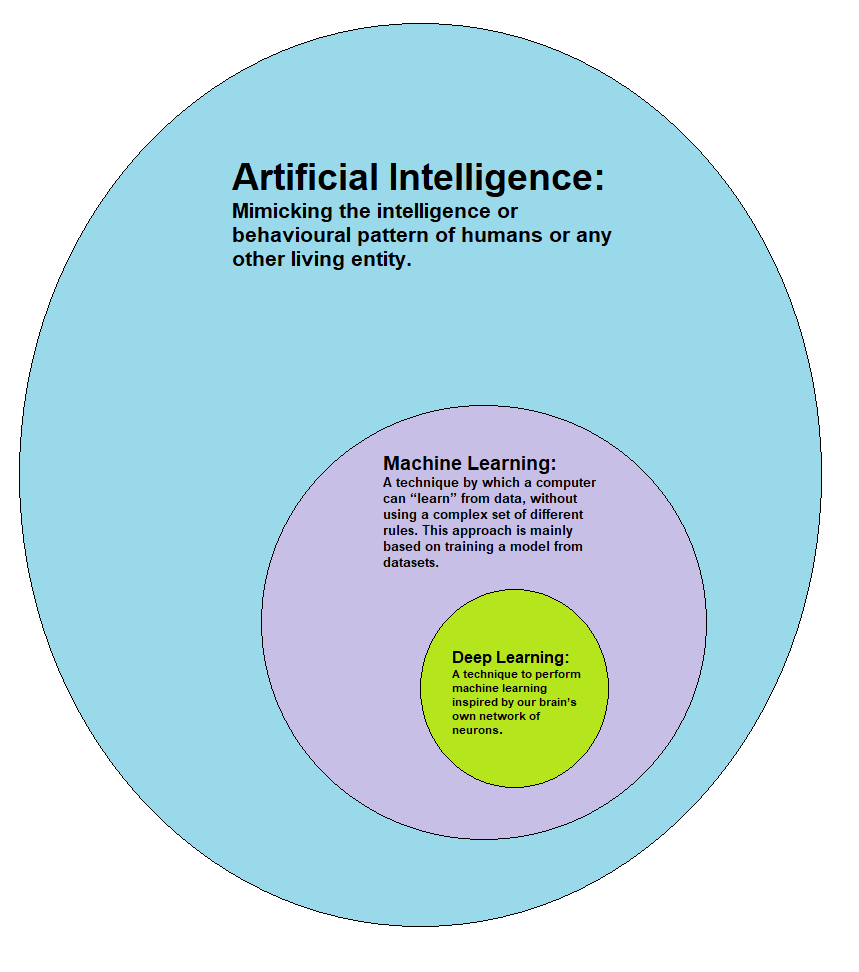
At its heart, a Large Language Model (LLM) is a type of artificial intelligence designed to understand and generate human language. Think of it as a student who has read a library larger than any human could ever consume—the internet, books, articles—and learned the patterns, styles, and rules of language from that massive amount of text.
Large Language Models (LLMs) are machine learning models trained on vast amount of textual data to generate and understand human-like language.
The "large" in LLM refers to two things: the immense size of the dataset it's trained on and the huge number of parameters it uses. Parameters are like the internal knobs and dials the model adjusts during training to capture the nuances of language. Modern LLMs can have hundreds of billions of them.
These models aren't just memorizing text. They're building a complex, statistical understanding of how words relate to one another. This allows them to predict the next most likely word in a sentence, which is the fundamental mechanism behind generating coherent paragraphs, writing code, or answering questions.
A Quick Trip Through Time
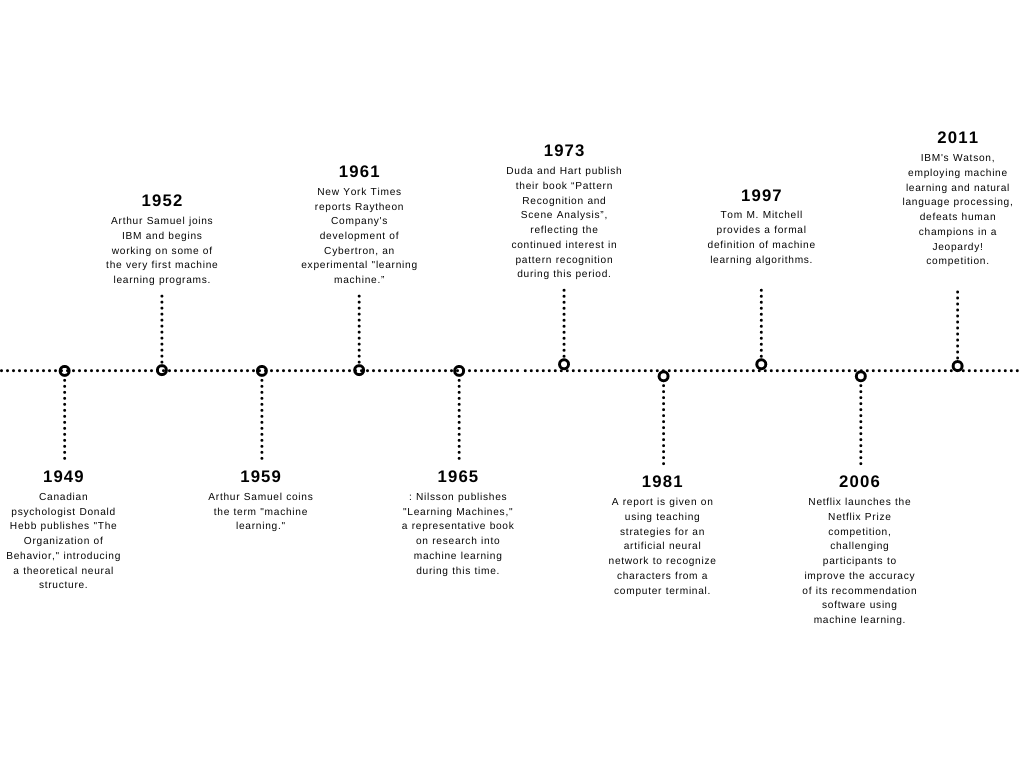
The idea of teaching computers language isn't new, but the methods have changed dramatically. Early approaches in the mid-20th century relied on hand-coded grammatical rules. This was brittle and couldn't handle the messy, exception-filled reality of human language.
Later, statistical methods took over. Models like n-grams simply calculated the probability of a word appearing after a sequence of other words. This was an improvement, but they lacked any real sense of long-term context. They could predict the next word in "the cat sat on the..." but would struggle with a complex paragraph where context from the first sentence is crucial for the last.
A major leap came with Recurrent Neural Networks (RNNs), which could maintain a sort of memory to handle sequential data like text. But they had their own issues, often struggling to remember context over very long passages.
The real game-changer arrived in 2017 with a paper titled "Attention Is All You Need." It introduced the Transformer architecture. Instead of processing words one by one, its "self-attention" mechanism allowed the model to weigh the importance of all other words in the input when processing a specific word. This was the key that unlocked the ability to handle long-range dependencies and understand context in a much more sophisticated way, paving the path for the massive LLMs we see today.
How They Work
So what's inside a modern LLM? While the details are incredibly complex, the basic components are understandable. Everything is built around the Transformer architecture.
First, the model breaks down input text into smaller pieces called tokens. A token might be a whole word, like "cat," or just a part of a word, like "ing."
Next, each token is converted into a vector—a list of numbers. This process, called embedding, places the token in a high-dimensional "meaning space" where similar words are located close to each other. The vector for "king" would be mathematically close to "queen," for example.
These vectors then flow through a stack of Transformer layers. Each layer has two main jobs:
- Self-Attention: This is where the magic happens. The model looks at all the word vectors at once and decides which other words are most important for understanding each specific word. In the sentence "The robot picked up the ball because it was heavy," the attention mechanism helps the model link "it" back to "ball," not "robot."
- Feed-Forward Network: After attention refines the word vectors with contextual clues, a standard neural network processes each vector individually to perform further calculations.
This process repeats through many layers, with each layer building more complex and abstract representations of the text. Finally, the output layer takes the processed vectors and converts them back into a sequence of tokens, predicting the most probable next word or completing the requested task.
What Are They Used For?
The ability to process and generate language unlocks a vast number of applications. LLMs are the engines behind many tools you might already use.
| Application | Description |
|---|---|
| Text Generation | Writing emails, articles, marketing copy, and creative stories. |
| Translation | Translating text between dozens of languages with increasing accuracy. |
| Summarization | Condensing long documents, articles, or meetings into key points. |
| Question Answering | Answering factual questions by drawing on its vast training data. |
| Code Generation | Writing snippets of code in various programming languages from descriptions. |
| Chatbots | Powering conversational AI for customer service and virtual assistants. |
This flexibility is a key advantage. Instead of training separate models for each of these tasks, a single, powerful LLM can be adapted to handle them all. This has fundamentally shifted the field of artificial intelligence, making language a more accessible and powerful interface for interacting with computers.
What does the "large" in Large Language Model (LLM) primarily refer to?
Which architectural innovation was the crucial breakthrough that paved the way for modern LLMs by effectively handling long-range dependencies in text?