Tesouro Selic Explained
Introduction to Tesouro Selic
Lending Money to the Government
When a government needs to raise money to fund public projects like building schools, hospitals, or roads, it often borrows from its citizens and investors. It does this by selling government bonds.
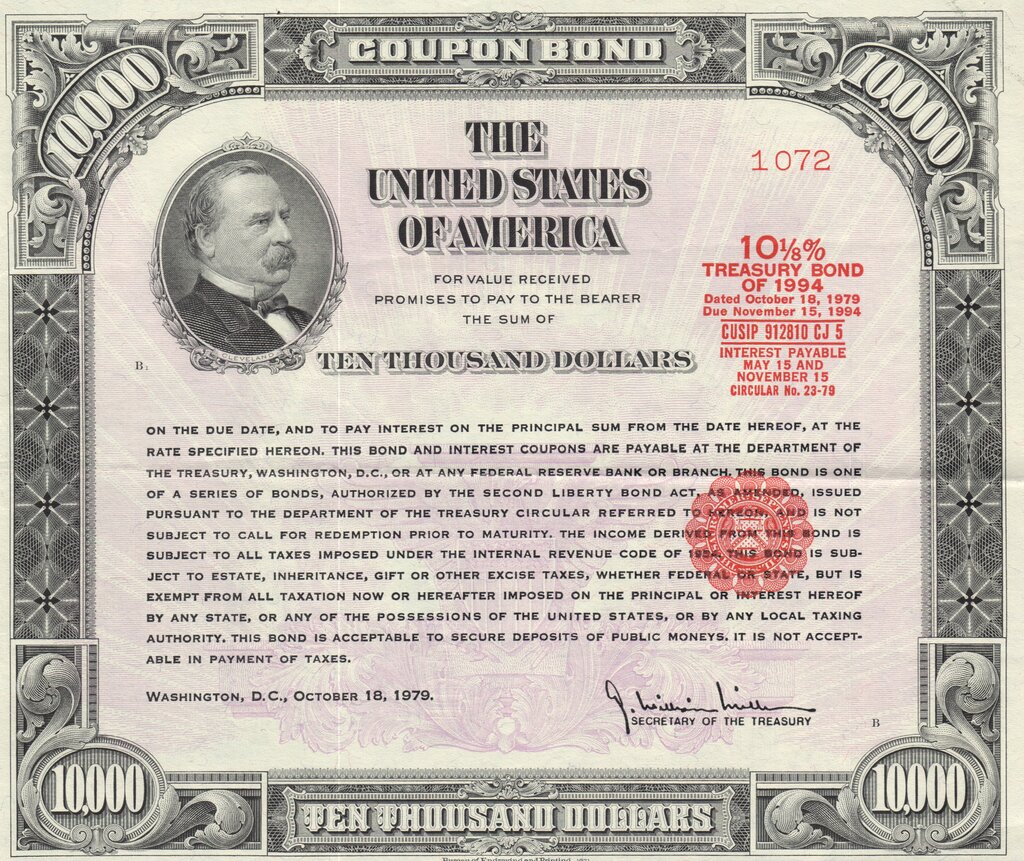
A bond is essentially an IOU. You give the government money, and in return, they promise to pay you back your initial amount at a future date, along with regular interest payments. It's one of the primary ways governments finance their activities.
In Brazil, these government bonds are managed by the National Treasury through a program called Tesouro Direto (Direct Treasury). This platform allows individuals to buy government debt directly, making it an accessible form of investment.
What Is Tesouro Selic?
One of the most popular types of Brazilian government bonds is the Tesouro Selic. Its name gives you a big clue about how it works: it's a bond from the Tesouro Nacional (National Treasury) whose earnings are tied to the Selic rate.
Unlike some bonds that have a fixed interest rate for their entire term, the Tesouro Selic has a floating rate. The amount of interest it pays changes over time because it directly follows Brazil's main interest rate, the Selic.
Think of it this way: buying a Tesouro Selic bond means your investment's return will rise and fall in lockstep with the country's benchmark interest rate.
The Selic Rate
So, what exactly is this Selic rate? Its name is an acronym for Sistema Especial de Liquidação e de Custódia, which translates to the Special System for Settlement and Custody. This system is where banks lend money to each other overnight, using government bonds as collateral. The average interest rate for these short-term loans is the Selic rate.
Selic rate
noun
Brazil's benchmark interest rate, set by the Central Bank's Monetary Policy Committee (Copom).
The Selic rate is the Central Bank of Brazil's main tool for controlling inflation. When prices are rising too quickly, the bank increases the Selic rate to make borrowing more expensive, which cools down economic activity. Conversely, when the economy is sluggish, the bank lowers the rate to encourage spending and investment.
Because it's the benchmark, the Selic rate influences all other interest rates in the economy, from car loans and mortgages to the returns on savings accounts and other investments. When you invest in Tesouro Selic, you are directly linking your money's growth to the daily fluctuations of this fundamental economic lever.