Tesamorelin Therapeutic Benefits
HIV-Associated Lipodystrophy
Body Shape Changes
For some people living with HIV, treatment and the virus itself can lead to changes in how their body stores fat. This condition is called lipodystrophy. It's not just one thing, but a syndrome involving abnormal fat distribution.
Lipodystrophy generally appears in two ways, and some people may experience both:
Lipoatrophy: The loss of subcutaneous fat, which is the layer of fat just beneath the skin. This often happens in the face (causing sunken cheeks), arms, legs, and buttocks.
Lipohypertrophy: The accumulation of fat in specific areas. This can mean more visceral fat, which is deep inside the abdomen, or fat deposits on the back of the neck (a “buffalo hump”) or in the breasts.
These changes aren't just cosmetic. They can be a sign of deeper metabolic issues.
Metabolic Complications
The accumulation of visceral fat is particularly concerning. Unlike the fat just under your skin, visceral fat wraps around your internal organs, like the liver and intestines. It's metabolically active, meaning it releases substances that can disrupt your body's normal functions.
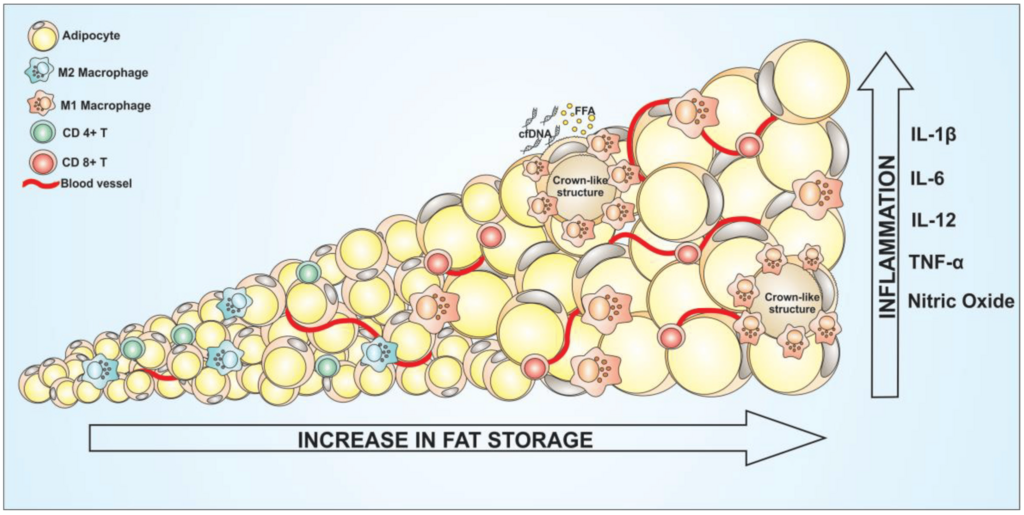
This can lead to serious health problems, including:
- Insulin resistance: Your cells stop responding properly to insulin, the hormone that regulates blood sugar. This can lead to high blood sugar and eventually type 2 diabetes.
- Dyslipidemia: An imbalance of fats in your blood, such as high levels of triglycerides (a type of fat) and “bad” LDL cholesterol, and low levels of “good” HDL cholesterol. This increases the risk of heart disease.
Visceral fat is linked to a higher risk of insulin resistance and diabetes.
The Role of ART
HIV-associated lipodystrophy became more common during the early days of antiretroviral therapy (ART). Certain older medications were strongly linked to these body fat changes. For example, older nucleoside reverse transcriptase inhibitors (NRTIs) like stavudine (d4T) and zidovudine (AZT) were often associated with fat loss, while some older protease inhibitors were linked to fat gain.
| ART Drug Class (Older) | Associated Condition |
|---|---|
| Nucleoside Reverse Transcriptase Inhibitors (NRTIs) | Lipoatrophy (fat loss) |
| Protease Inhibitors (PIs) | Lipohypertrophy (fat gain) |
Fortunately, this has become much less of a problem. Modern ART regimens have a significantly lower risk of causing lipodystrophy. Doctors are now very aware of this potential side effect and choose medications that are less likely to cause these issues.
Psychological Impact
The physical changes from lipodystrophy can take a heavy emotional toll. Visible changes, like facial wasting or a growing abdomen, can drastically alter a person's appearance. This can lead to anxiety, depression, and poor body image.
For some, these changes can also be a constant, visible reminder of their HIV status, making them feel stigmatized. The distress can be so significant that it sometimes affects a person's willingness to stick to their treatment plan, which is dangerous for their health. It's a serious side effect that impacts quality of life far beyond the metabolic numbers.