Tertullian An Early Christian Apologist
Introduction to Tertullian
The Lawyer from Carthage
Around the year AD 160, a man named Quintus Septimius Florens Tertullianus was born in Carthage, a bustling port city in the Roman province of Africa—modern-day Tunis, Tunisia. We know him simply as Tertullian. His father was a Roman centurion, which likely afforded him an excellent education. He studied rhetoric, philosophy, and law, mastering both Greek and Latin.
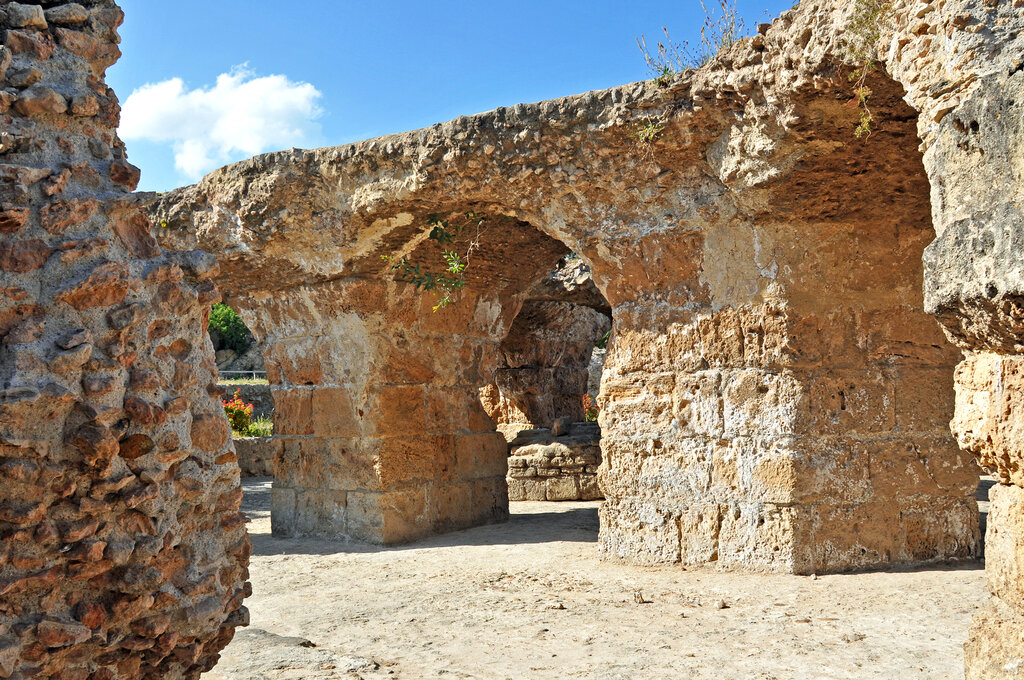
This training made him a sharp and persuasive thinker. As a young man, he likely worked as a lawyer in Rome, where he would have witnessed the inner workings of the empire's legal and political systems. It was also where he would have encountered the city's growing Christian community.
A Radical Conversion
Sometime in his thirties, around AD 197, Tertullian converted to Christianity. This was not a casual decision. To join the Christians was to step outside mainstream Roman society. He dedicated his legal and rhetorical skills to his new faith, becoming one of its most powerful defenders.
He is often called the "father of Latin Christianity" because he was one of the first major theologians to write in Latin, making complex Christian ideas accessible to the Western Roman Empire.
Tertullian became a prolific writer and a leading apologist. An apologist, in this context, isn't someone who is sorry. Rather, an apologist is a person who offers a reasoned defense of a belief or way of life. His writings aimed to defend Christianity from the criticisms and misunderstandings of pagan Romans.
apologist
noun
A person who offers an argument in defense of something controversial.
Life in the Roman Empire
Tertullian lived during a time of relative stability known as the Pax Romana, but this peace did not always extend to Christians. The Roman Empire was generally tolerant of different religions, provided that their followers also honored the Roman gods and the divine status of the emperor. This was a form of civic duty, a way of ensuring the empire's prosperity and stability.
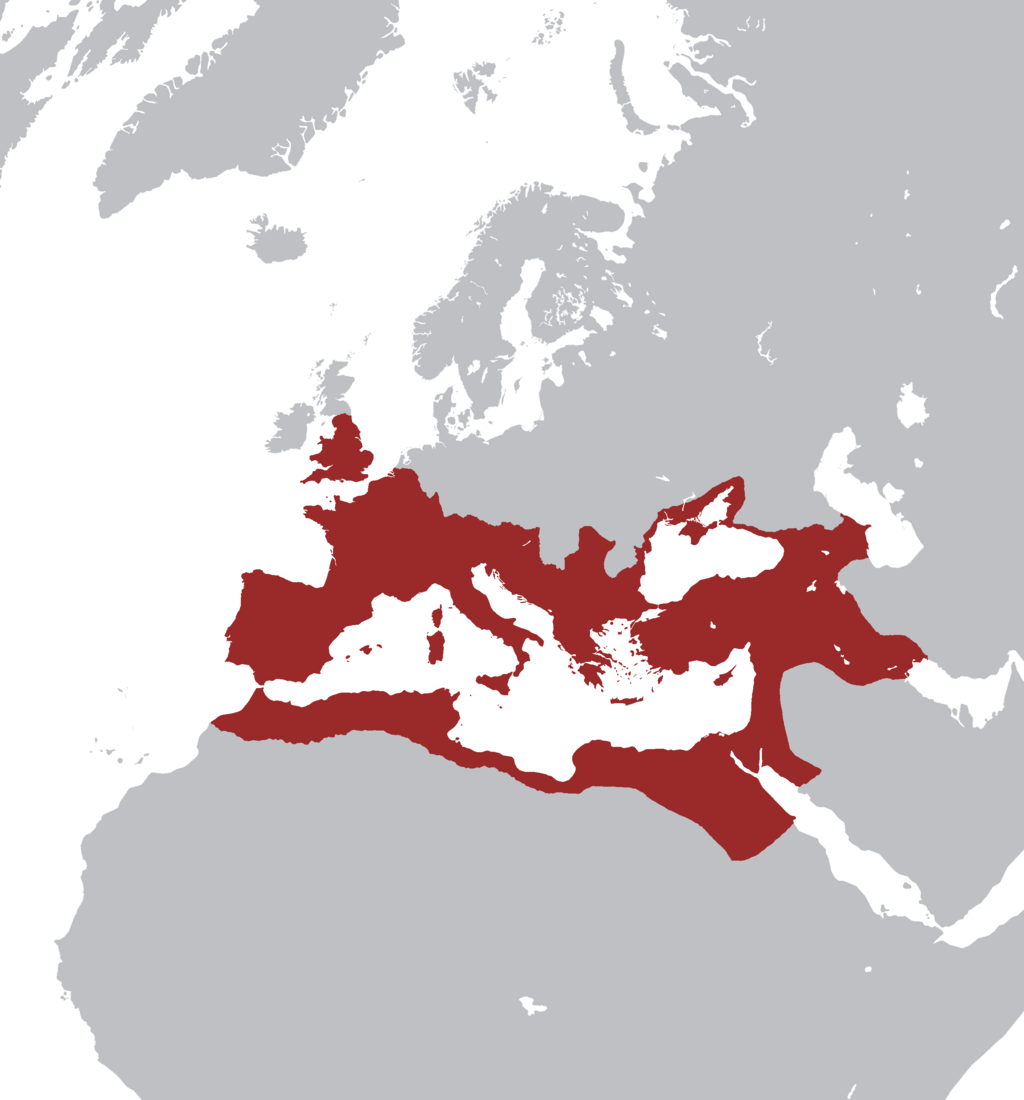
Christians, however, refused to participate. Their monotheistic faith forbade the worship of any god but their own. To outsiders, this looked like stubbornness and disloyalty. They were often labeled as atheists because they rejected the entire Roman pantheon. This refusal to conform bred suspicion and hostility, making Christians easy scapegoats for societal problems like famine or military defeat.
The Christian Struggle
As a result, early Christians faced constant challenges. They were socially ostracized, their beliefs were wildly misrepresented, and they lived under the recurring threat of persecution. While empire-wide persecutions were sporadic during Tertullian's life, local flare-ups of violence were common. Being a known Christian could mean losing your property, your job, or even your life.
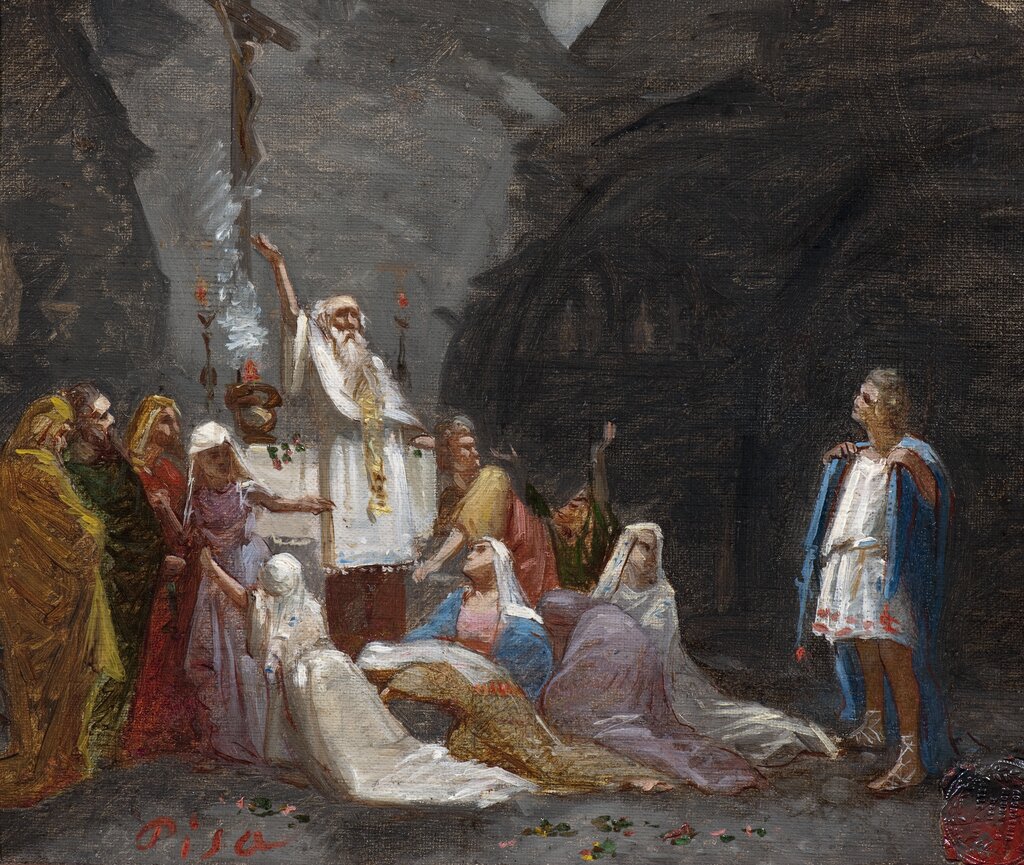
Tertullian's writings directly confronted this reality. He wrote to Roman authorities, arguing that Christians were moral, peaceful citizens who should not be punished simply for their religious identity. He also wrote to fellow Christians, offering encouragement and theological guidance to help them stand firm in their faith amidst the dangers. His sharp legal mind crafted powerful arguments that would shape Christian thought for centuries to come.
Ready to check your understanding of Tertullian's world?
What was Tertullian's primary role in the early Christian church?
Why were early Christians often viewed with suspicion by Roman authorities?
Tertullian's life provides a crucial window into the challenges and intellectual ferment of the early church within the Roman Empire.