Terraform Fundamentals
Introduction to Infrastructure as Code
From Manual Clicks to Code
Imagine building a server. In the past, this meant an IT professional would log into a cloud provider's website, click through a series of menus, select options, and finally launch the machine. If they needed ten servers, they’d repeat the process ten times. If they made a mistake on one, they might not notice until something broke later.
This manual approach is slow, prone to human error, and nearly impossible to replicate perfectly every time. It creates inconsistencies between development, testing, and production environments, leading to the classic problem: "It worked on my machine!"
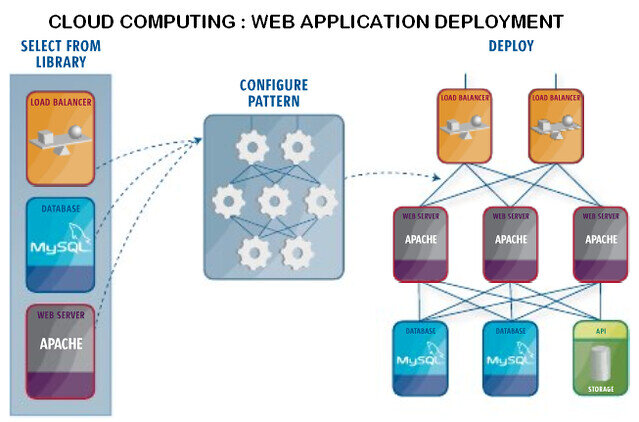
Infrastructure as Code (IaC) changes this by managing infrastructure—servers, databases, networks—through configuration files rather than manual setup.
Think of it like a blueprint for your entire system. Instead of building by hand, you write a detailed plan. This plan can be shared, reviewed, and versioned just like application code. When you need to build or change something, you simply update the blueprint and let an automated tool handle the construction. This brings the same rigor and reliability of software development to the world of IT operations.
By leveraging infrastructure as code, we can incorporate the best practices we use for software development, such as version control and CI/CD, into infrastructure creation.
The Benefits of a Blueprint
Treating infrastructure as code unlocks powerful advantages that are essential for modern software delivery. It’s not just about convenience; it fundamentally improves how teams build and manage systems.
Automation and Speed: IaC automates the entire provisioning process. What once took hours of manual work can be accomplished in minutes. Need to deploy a complex, multi-server application? Run a single command. This speed eliminates bottlenecks and allows teams to release software more frequently.
Consistency and Reliability: Your code becomes the single source of truth. Every environment built from the same configuration files will be identical. This eliminates configuration drift—the subtle, undocumented changes that happen over time in manually-managed systems—and ensures that what you test is exactly what you deploy.
IaC helps avoid configuration drift through automation, and increases the speed and agility of infrastructure deployments.
Scalability: With IaC, scaling your infrastructure is trivial. To go from one web server to one hundred, you don’t repeat a manual process one hundred times. You change a single line of code—from count = 1 to count = 100—and the automation handles the rest. This makes it easy to respond to changes in demand, whether you're launching a new product or handling a traffic spike.
Choosing Your Tool
Several tools can turn your infrastructure blueprints into reality. Cloud providers offer their own native solutions, like AWS CloudFormation or Azure Resource Manager. Other tools, like Ansible or Pulumi, offer different approaches to automation.
In this course, we'll focus on one of the most popular and versatile IaC tools: Terraform.
Terraform is an open-source infrastructure as code (IaC) tool that allows you to define and manage your infrastructure in a declarative way.
Terraform, created by HashiCorp, stands out for a few key reasons:
- Cloud-Agnostic: It works with all major cloud providers (AWS, Azure, Google Cloud) and many other services. You can learn one tool and use it to manage a multi-cloud environment.
- Declarative Language: You describe the end state you want, not the step-by-step process to get there. You tell Terraform, "I want one server with these specifications," and Terraform figures out how to create it. This makes configurations easier to read and maintain.
- Large Community: Terraform has a vibrant open-source community, which means extensive documentation, tutorials, and pre-built modules are available to help you get started quickly.
It solves a critical problem: how to provision and manage your technology stack in a simple, repeatable, and efficient way. We'll soon dive into how to write these blueprints and bring your infrastructure to life with Terraform.