Telehealth Clinical Rotation Mastery
Telehealth Fundamentals
What Is Telehealth?
Telehealth is the use of digital technology to deliver medical care and public health services remotely. Think of it as healthcare that comes to you, through your phone, computer, or other device. Instead of traveling to a clinic, you can connect with a provider from the comfort of your home.
While it might seem like a recent innovation, the idea isn't new. Doctors have used telephones for consultations for over a century. What's changed is the technology. Today, high-speed internet and sophisticated devices have transformed telehealth from a niche service into a fundamental part of modern healthcare, making it easier than ever to manage health, consult with specialists, and receive ongoing care.
The core idea of telehealth is simple: bridge the distance between patient and provider using technology.
How Telehealth Works
Telehealth isn't a single type of service. It's a broad term that covers several different ways of delivering care remotely. These methods are often grouped into three main categories.
The first type is synchronous telehealth, which involves real-time interaction. This is what most people picture: a live video call with a doctor, similar to using FaceTime or Zoom. It's used for everything from mental health counseling to follow-up appointments.
The second is asynchronous telehealth, also known as "store-and-forward." In this model, you send medical information—like images, lab results, or videos—to a healthcare provider who reviews it later. This is especially useful in specialties like dermatology or radiology, where a specialist can examine your information without a live appointment.
Finally, there's Remote Patient Monitoring (RPM). This involves using medical devices to collect health data from a patient in one location and electronically transmit that information to a provider in a different location. Think of a patient with chronic heart failure using a smart scale and blood pressure cuff that automatically sends daily readings to their cardiology team.
The Upside of Virtual Care
The rapid adoption of telehealth is driven by its significant benefits for both patients and providers. Perhaps the most important advantage is increased access to care. For people in rural or underserved communities, telehealth can be a lifeline, connecting them with specialists who would otherwise be out of reach. It also removes barriers for individuals with mobility issues or those who can't take time off work for an appointment.
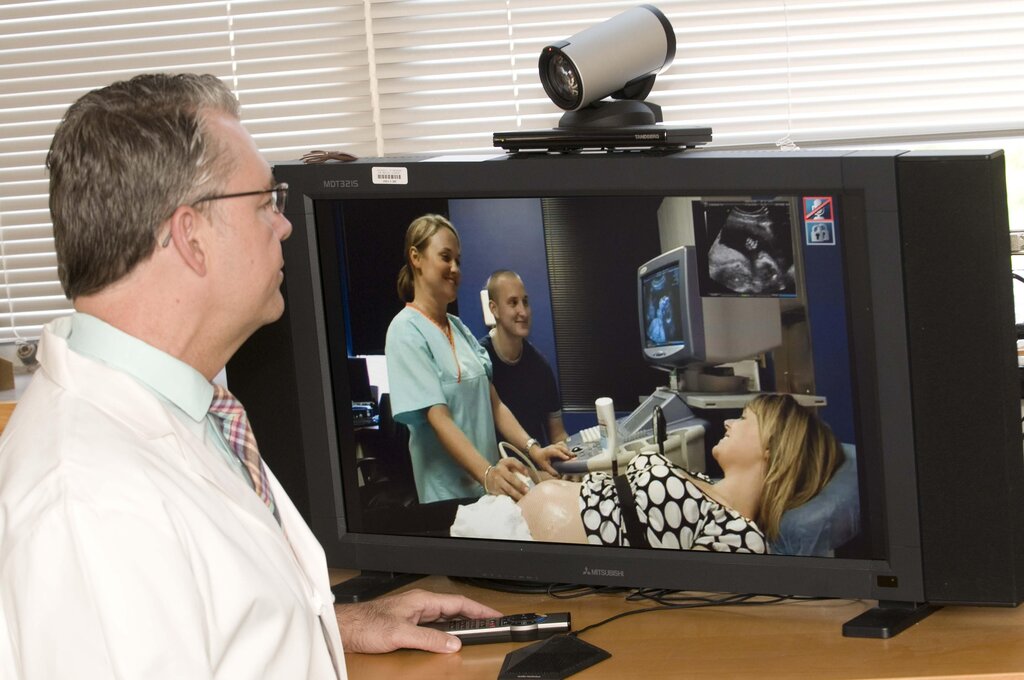
Convenience is another major plus. Telehealth eliminates travel time and long waits in a doctor's office. This not only improves patient satisfaction but also helps prevent the spread of infectious diseases by keeping sick individuals at home.
From a system perspective, telehealth can also improve efficiency. It can help manage chronic diseases more effectively through remote monitoring, reduce hospital readmissions, and provide a more cost-effective way to deliver certain types of care.
Hurdles to Overcome
Despite its potential, implementing telehealth comes with challenges. The most significant is the "digital divide." Not everyone has access to a reliable internet connection or the necessary technology, like a smartphone or computer. Furthermore, some people may lack the digital literacy needed to use telehealth platforms effectively.
Technology is a powerful tool, but it only works for those who can access and use it.
Regulatory hurdles also exist. Rules about which services can be provided via telehealth and how providers are reimbursed can be complex and vary from one state or country to another. While many regulations were relaxed during public health emergencies, the long-term landscape is still evolving.
Finally, there's the human element. Healthcare is built on trust, and some providers and patients find it challenging to build a strong relationship without in-person interaction. The inability to perform a physical exam is a clear limitation, meaning telehealth is a complement to, not a replacement for, traditional care.
Let's review the key terms we've covered.
Now, check your understanding of these concepts.
Which of the following scenarios is an example of asynchronous telehealth?
What is the 'digital divide' as it relates to telehealth?
Telehealth is reshaping how we think about healthcare delivery. By understanding its different forms, benefits, and challenges, you can better appreciate its role in creating a more accessible and efficient healthcare system.