Telegram Crypto Bot Setup
Introduction to Cryptocurrency Trading
What Is Cryptocurrency?
Cryptocurrency is a type of digital or virtual currency that uses cryptography for security. Unlike traditional currencies issued by governments (like the U.S. dollar), cryptocurrencies are decentralized. This means they aren't controlled by any single entity, like a bank or government.
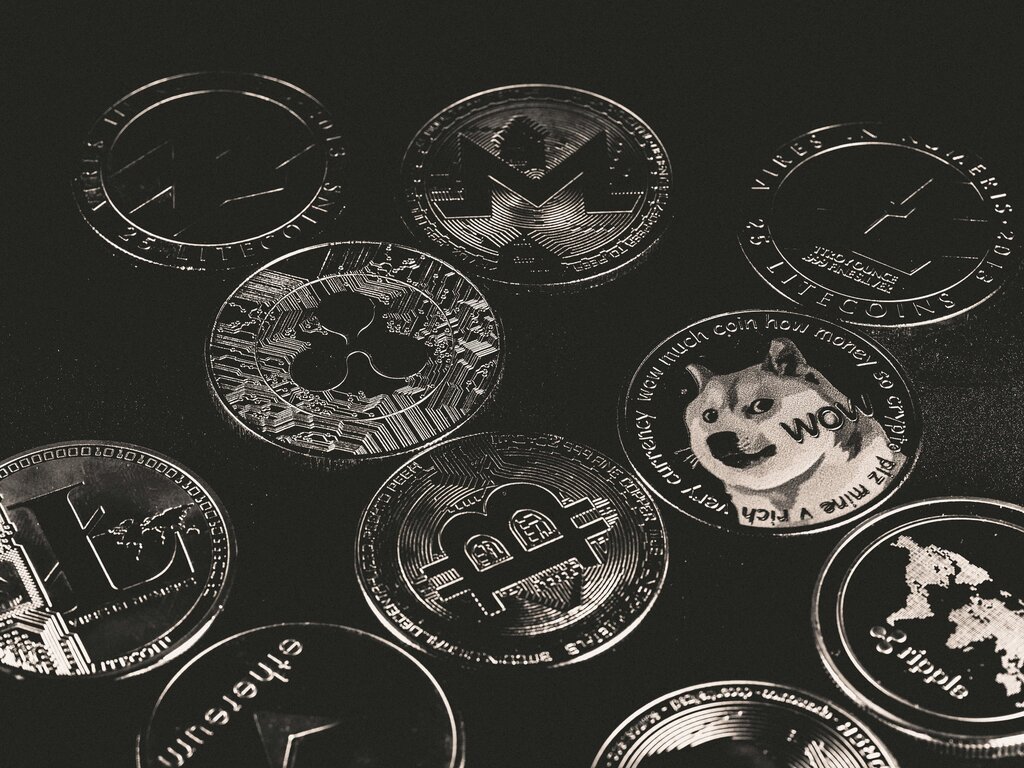
The most famous example is Bitcoin. It was the first cryptocurrency, created in 2009. Think of it as the pioneer that paved the way for thousands of others. These other coins are often called "altcoins."
Altcoins serve different purposes. Ethereum, for instance, isn't just a currency; it's also a platform for building decentralized applications. Then there are stablecoins, like Tether (USDT), which are designed to have a stable value by being pegged to a real-world asset, usually a major currency like the U.S. dollar.
Where Trading Happens
Cryptocurrencies are bought and sold on platforms called exchanges. An exchange is like a digital marketplace where people trade one crypto for another, or for traditional money. They are the heart of the crypto market, operating 24/7.
There are two main types of exchanges:
- Centralized Exchanges (CEXs): These are run by a company, like Coinbase or Binance. They're popular because they're often user-friendly and allow you to convert traditional currency directly into crypto. They hold your funds for you.
- Decentralized Exchanges (DEXs): These operate without a central authority. Trades happen directly between users (peer-to-peer) through automated programs called smart contracts. Users always keep control of their own funds.
On these exchanges, prices are determined by supply and demand, captured in what's called an order book. This is a list of all the buy orders (bids) and sell orders (asks) for a specific cryptocurrency at different price levels.
| Price ($) | Amount to Sell (BTC) | Amount to Buy (BTC) | Price ($) |
|---|---|---|---|
| 60,002 | 1.5 | ||
| 60,001 | 3.2 | ||
| 60,000 | Asks (Sellers) | Bids (Buyers) | 59,999 |
| 2.1 | 59,998 | ||
| 0.8 | 59,997 |
The difference between the lowest ask price and the highest bid price is called the bid-ask spread. Traders make money from this spread.
Common Trading Strategies
While there are countless complex strategies, many are built on a few core concepts. Understanding these basics is key, especially when considering automated trading.
One common strategy is arbitrage. This involves taking advantage of price differences for the same asset on different exchanges. If Bitcoin is selling for $60,000 on Exchange A and $60,100 on Exchange B, a trader could theoretically buy it on A and immediately sell it on B for a $100 profit per coin (before fees).
Arbitrage exploits temporary price inefficiencies between different markets.
Another fundamental strategy is market making. Market makers provide liquidity to an exchange by placing both buy and sell orders for a specific crypto at the same time. Their goal is to profit from the bid-ask spread. For example, a market maker might place a buy order at $59,999 and a sell order at $60,001. By constantly buying low and selling high in small increments, they earn a consistent profit.
Risks and Rewards
Cryptocurrency trading attracts people for a reason. The primary benefit is the potential for high returns. Because the market is so volatile, prices can increase dramatically in a short amount of time. The decentralized nature also means anyone with an internet connection can participate.
However, this volatility is a double-edged sword. It's also the biggest risk. Prices can crash just as quickly as they can rise. This unpredictability makes crypto trading inherently risky.

Other risks include:
- Security: Exchanges can be hacked, and funds can be stolen. Scams and fraudulent projects are also common.
- Regulatory Uncertainty: Governments around the world are still figuring out how to regulate cryptocurrencies. New rules could drastically impact the market at any time.
It's crucial to understand these risks before you start trading. Never invest more than you're willing to lose.
Now that you have a handle on the basics, let's test your knowledge.
What is a key characteristic that distinguishes cryptocurrencies from traditional currencies like the U.S. dollar?
A trader notices that Ethereum is priced at 3,005 on Exchange B. They buy on A and immediately sell on B to profit from the price difference. What is this strategy called?
Understanding these core concepts is the first step. With this foundation, you can better grasp how and why automated trading tools operate.