TEES in Nursing
Introduction to Enteral Nutrition
A Direct Route for Nutrition
Sometimes, the normal way of eating isn't an option. Illness, injury, or surgery can make it difficult or impossible to swallow food. But if the stomach and intestines are still working, there’s a way to provide nutrition that bypasses the mouth and throat: enteral nutrition.
Enteral Nutrition
adjective
A method of feeding that delivers liquid nutrition, including vitamins, minerals, and calories, directly into the gastrointestinal (GI) tract through a tube.
Think of it as a detour. When the main road is closed, you take a side street to get to your destination. Similarly, when a person can't eat or drink, enteral nutrition provides a direct route to the gut, ensuring the body gets the fuel it needs to function and heal.
Who Needs It and Who Doesn't
Enteral nutrition is a lifeline for people with a functioning GI tract who are unable to consume enough food orally. Common reasons for this include:
- Neurological conditions: Patients who have had a stroke or have conditions like motor neuron disease may have difficulty swallowing.
- Critical illness: People in intensive care, often on a ventilator, can't eat normally.
- Cancers: Cancers of the head, neck, or esophagus can physically obstruct the passage of food.
- Severe malnutrition: When a person is too weak or lacks the appetite to eat enough to recover.
- Gastrointestinal issues: Certain conditions like pancreatitis may require resting the upper GI tract, with feeding tubes placed lower down in the intestine.
The guiding principle is simple: if the gut works, use it.
However, enteral feeding isn't suitable for everyone. It's contraindicated, or advised against, if the gastrointestinal tract isn't working properly. This might be due to a complete bowel obstruction, severe and uncontrollable vomiting or diarrhea, or insufficient blood flow to the intestines. In these cases, the gut can't absorb nutrients, making enteral feeding ineffective and potentially harmful.
The Gut's Advantage
When a patient can't eat, another option is parenteral nutrition, which delivers nutrients directly into the bloodstream through an IV. While life-saving, it comes with more risks than enteral nutrition. Whenever possible, the enteral route is preferred for several key reasons.
| Advantage | Enteral Nutrition (Into the Gut) | Parenteral Nutrition (Into a Vein) |
|---|---|---|
| Infection Risk | Lower. Uses the body's natural barrier. | Higher. Involves a central venous catheter, which can be a site for infection. |
| Cost | Less expensive formulas and equipment. | More expensive due to sterile preparation and complex administration. |
| Gut Health | Preserves gut integrity. | The gut is not used, which can lead to atrophy and loss of function. |
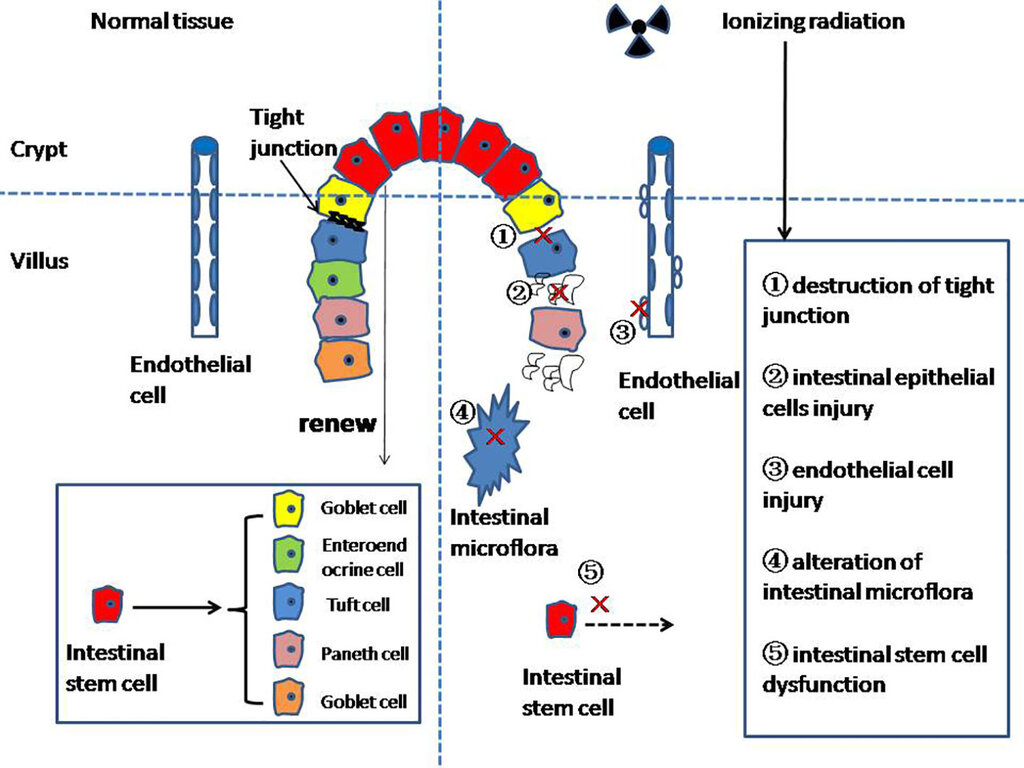
The most important benefit is preserving the health of the gut itself. The intestinal lining is a tightly woven barrier of cells that keeps harmful bacteria from leaking into the bloodstream. When the gut isn't used for digestion, this barrier can weaken, a condition known as increased intestinal permeability or "leaky gut." By delivering nutrients directly to the intestines, enteral nutrition keeps the gut cells active and healthy, maintaining this crucial barrier.
Different Paths to the GI Tract
The best route for enteral feeding depends on how long it will be needed and the patient's specific medical condition. Tubes can be placed through the nose for short-term support or surgically placed through the abdomen for long-term use.
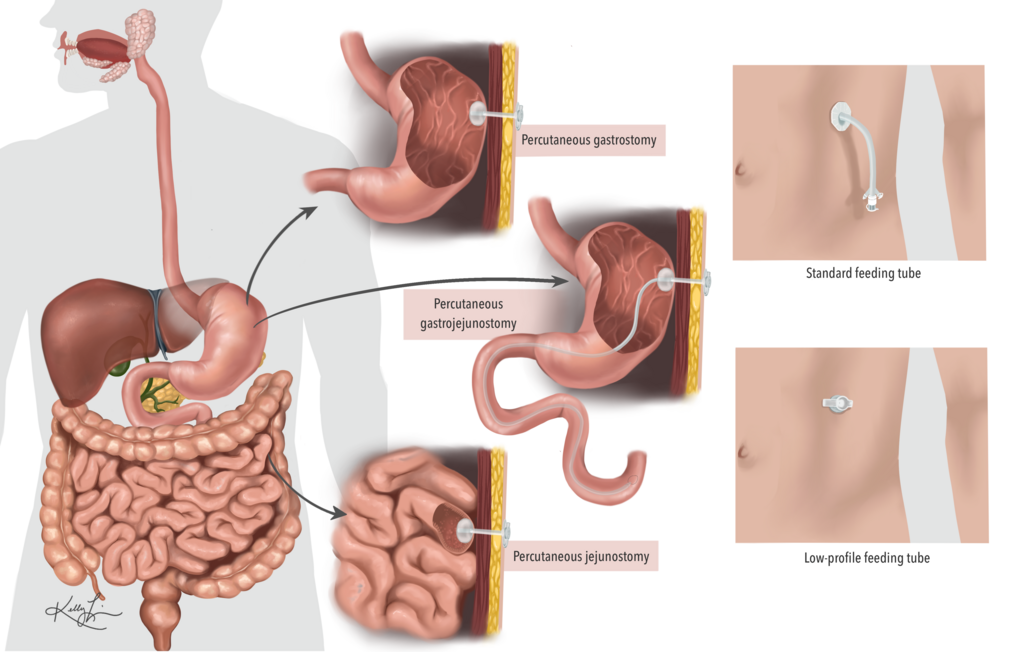
Here are the main types:
- Nasogastric (NG) Tube: A thin, flexible tube is passed through the nose, down the esophagus, and into the stomach. This is common for short-term feeding, typically for a few weeks.
- Nasojejunal (NJ) Tube: Similar to an NG tube, but it travels past the stomach and into the second part of the small intestine, the jejunum. This is used when the stomach needs to be bypassed, for example, in patients with gastric emptying problems or a high risk of aspiration.
- Gastrostomy (G-tube): For long-term feeding, a tube is surgically or endoscopically placed directly into the stomach through the skin of the abdomen. These are often called PEG tubes (percutaneous endoscopic gastrostomy).
- Jejunostomy (J-tube): This tube is placed directly into the jejunum through the abdominal wall. It's an option for long-term feeding when the stomach must be completely bypassed.
While enteral nutrition is generally safe, it's not without potential complications. Tubes can become blocked or dislodged. Patients may experience digestive issues like nausea or diarrhea as their bodies adjust. The insertion sites for G-tubes and J-tubes can also become irritated or infected. A healthcare team carefully monitors patients to manage these risks and ensure they get the nutrition they need safely.
What is the primary purpose of enteral nutrition?
Which patient is the most appropriate candidate for enteral nutrition?
Enteral nutrition is a fundamental tool in modern medicine, providing essential support that allows the body to fight illness and recover when normal eating is not possible.