Teenage Strength and Physique Fundamentals
Mastering Compound Movements
The Foundation of Strength
Building a strong, balanced physique starts with mastering movements that use multiple muscle groups at once. These are called compound movements. Instead of isolating one small muscle, you're teaching your entire body to work as a single, coordinated unit. This is how we move in real life, whether you're lifting a heavy box or sprinting for a bus.
For a growing body, this is especially important. Focusing on proper form in these foundational exercises creates a solid base, preventing injuries and ensuring you build functional strength that lasts. We'll focus on the big three: the squat, the push-up, and the pull-up.
If you’re new to strength training, you’ll want to master basic movement patterns first.
Mastering the Squat
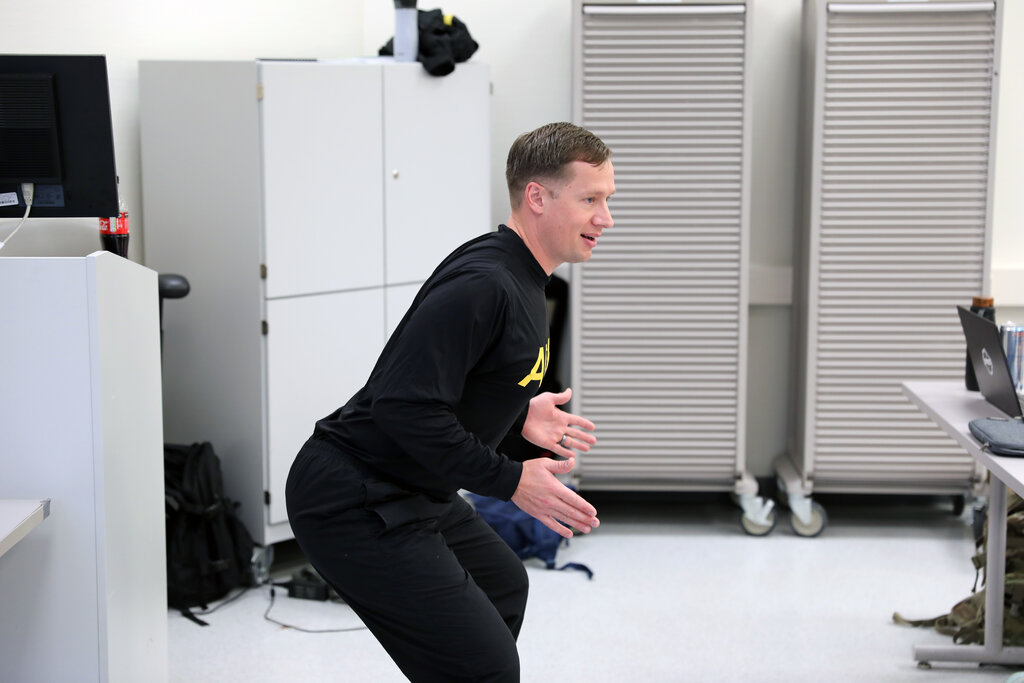
Before we can squat correctly, we need to understand the difference between a squat and a hip hinge. A hinge involves pushing your hips back with minimal knee bend, like you're trying to shut a car door with your hands full. A squat, on the other hand, is about dropping your hips down between your legs, with significant bending at both the knees and hips.
Think of the squat as lowering yourself to sit in a low chair. Your torso should stay relatively upright, and the movement should feel balanced. The goal is to keep your spine neutral, not rounded or excessively arched. This protects your back and engages your core.
Proper alignment is key. Aim for 'joint stacking', where your ankles, knees, and hips form a clean line as you move. This creates stability. As you descend, your knees should track over your feet, not collapse inwards. How deep should you go? As deep as you can while maintaining a neutral spine and keeping your heels flat on the floor. Hip mobility is the limiting factor for many people, so it's something to work on over time.
Every part of your body has a job here. Your feet grip the floor, your core stays braced, and your glutes and quads power the movement. This is the kinetic chain in action—a series of interconnected segments working together to produce force efficiently.
The Perfect Push-Up
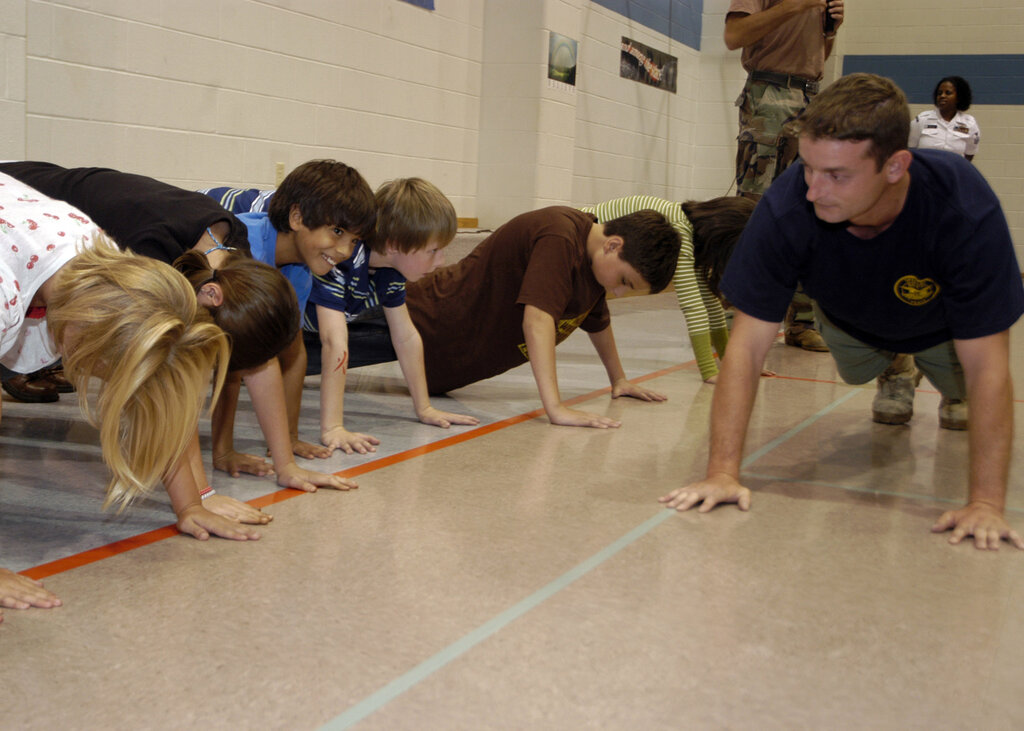
A push-up is much more than an arm exercise; it's a moving plank. The biggest mistake people make is letting their hips sag or pike up. To prevent this, you must keep your core tight and your body in a straight line from your head to your heels. This is another example of maintaining a under load.
Imagine a solid plank of wood. Your body should be just as rigid. As you lower yourself, your elbows should tuck in slightly, around a 45-degree angle from your body, not flared out to the sides. This protects your shoulder joints. The movement is controlled. You're not just falling and pushing back up; you're actively pulling your chest towards the floor.
Think of it this way: your hands, chest, shoulders, and core are all working together. The push-up isn't just one muscle working; it's a coordinated effort from your entire upper body and core.
If a full push-up is too difficult, start with regressions. You can perform them on your knees or with your hands on an elevated surface, like a bench or wall. The higher your hands, the easier it will be. As you get stronger, you can gradually lower the angle until you're on the floor. This method of scaling the difficulty is called progressive overload and it is the fundamental principle of getting stronger.
Conquering the Pull-Up
The pull-up is the ultimate test of upper-body pulling strength. It primarily works your latissimus dorsi (lats), the large muscles of your back, along with your biceps and shoulders. The key is to initiate the pull with your back muscles, not just your arms.
Think about driving your elbows down and back towards your hips. Your chest should move up towards the bar. Avoid swinging or using momentum (known as 'kipping') when you're first learning. We want to build strict, controlled strength.
Very few people can do a pull-up on their first try. That's where regressions are essential. Here's a path to your first pull-up:
| Regression | Description |
|---|---|
| Dead Hangs | Simply hang from the bar with your arms fully extended. This builds grip strength and gets your shoulders used to the position. |
| Scapular Pulls | While hanging, pull your shoulder blades down and back without bending your arms. This isolates the very first part of the pull-up motion. |
| Negative Pull-Ups | Use a box to jump to the top position of the pull-up (chin over bar). Then, lower yourself down as slowly and controlled as you possibly can. |
| Banded Pull-Ups | Loop a large resistance band around the bar and place your feet or knees in it. The band assists you on the way up. |
Once you can do a few strict pull-ups, you can progress by adding weight or trying more difficult variations. Remember, consistency is more important than anything. Stick with these regressions, and you will get there.
What is the primary characteristic of a compound movement?
When performing a squat, what is the main difference compared to a hip hinge?
Mastering these three movements provides a powerful foundation for any strength or physique goal. Focus on perfect form, be patient with your progress, and listen to your body.