Teen Strength and Physique Foundations
Movement Mastery
The Big Four Movements
Before you think about lifting heavy weights, you need to master the four basic ways your body is designed to move. Think of these as the building blocks for almost every action in sports and daily life. They are the squat, the hinge, the push, and the pull.
These aren't just 'exercises'; they're fundamental patterns. A squat helps you jump higher. A hinge lets you lift things safely off the floor. A push builds power for throwing, and a pull strengthens your back for better posture and stability.
Nailing the Form
Perfecting these movements is all about technique. Your body is still growing, so protecting your joints and growth plates is the top priority. Two key concepts will keep you safe and strong: maintaining a neutral spine and practicing proper joint stackings.
Imagine a straight line running from the top of your head down to your tailbone. That's a neutral spine. During a squat or a hinge, your goal is to keep this line intact, preventing your back from rounding or arching too much. Joint stacking means aligning your joints for maximum stability, like keeping your knees over your ankles in a lunge. This creates a solid foundation, so the force goes through your muscles, not into your vulnerable joints.
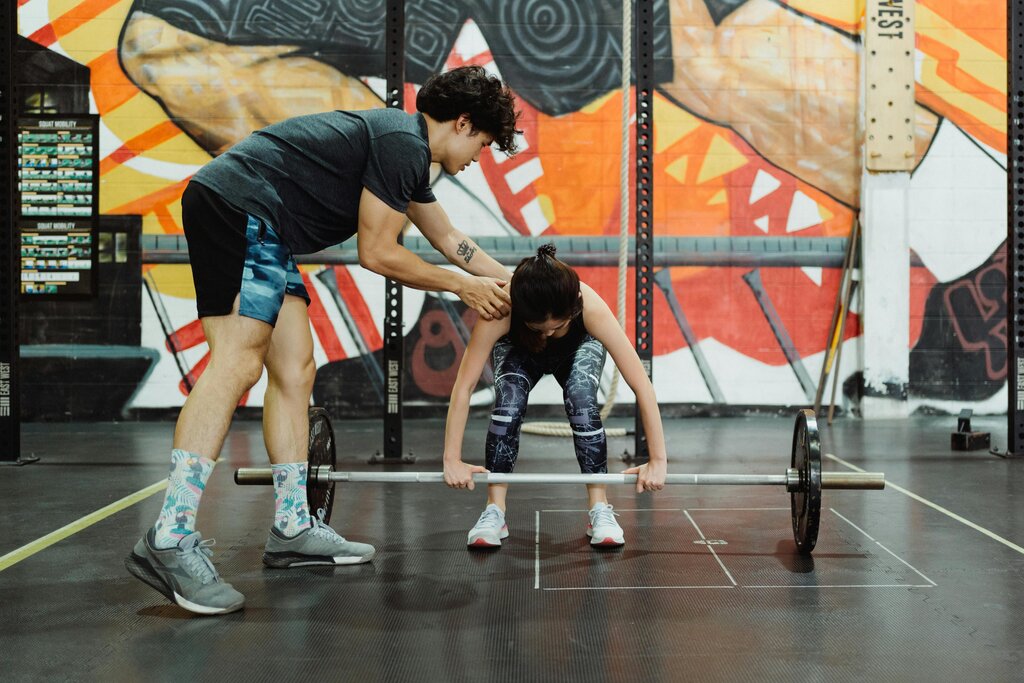
Every movement has two parts. The concentric phase is when the muscle shortens to create movement, like when you push yourself up from the floor in a push-up. The eccentric phase is when the muscle lengthens under control, like when you lower yourself down slowly. The eccentric part is where you build a lot of strength and stability, so don't rush it.
From Bodyweight to Bands
Your first goal is to master the Big Four using only your bodyweight. Can you perform 15-20 perfect squats? Can you do 10-12 controlled push-ups? Once your form is automatic and you feel confident, it's time to introduce light resistance. This doesn't mean jumping to a heavy barbell. Instead, start with resistance bands or very light dumbbells.
Adding a resistance band around your knees during a squat, for example, forces your hip muscles to work harder to keep your knees from caving in. Holding light dumbbells during a lunge challenges your balance and core stability. The goal isn't to feel exhausted, but to challenge your perfect form with a small, manageable load.
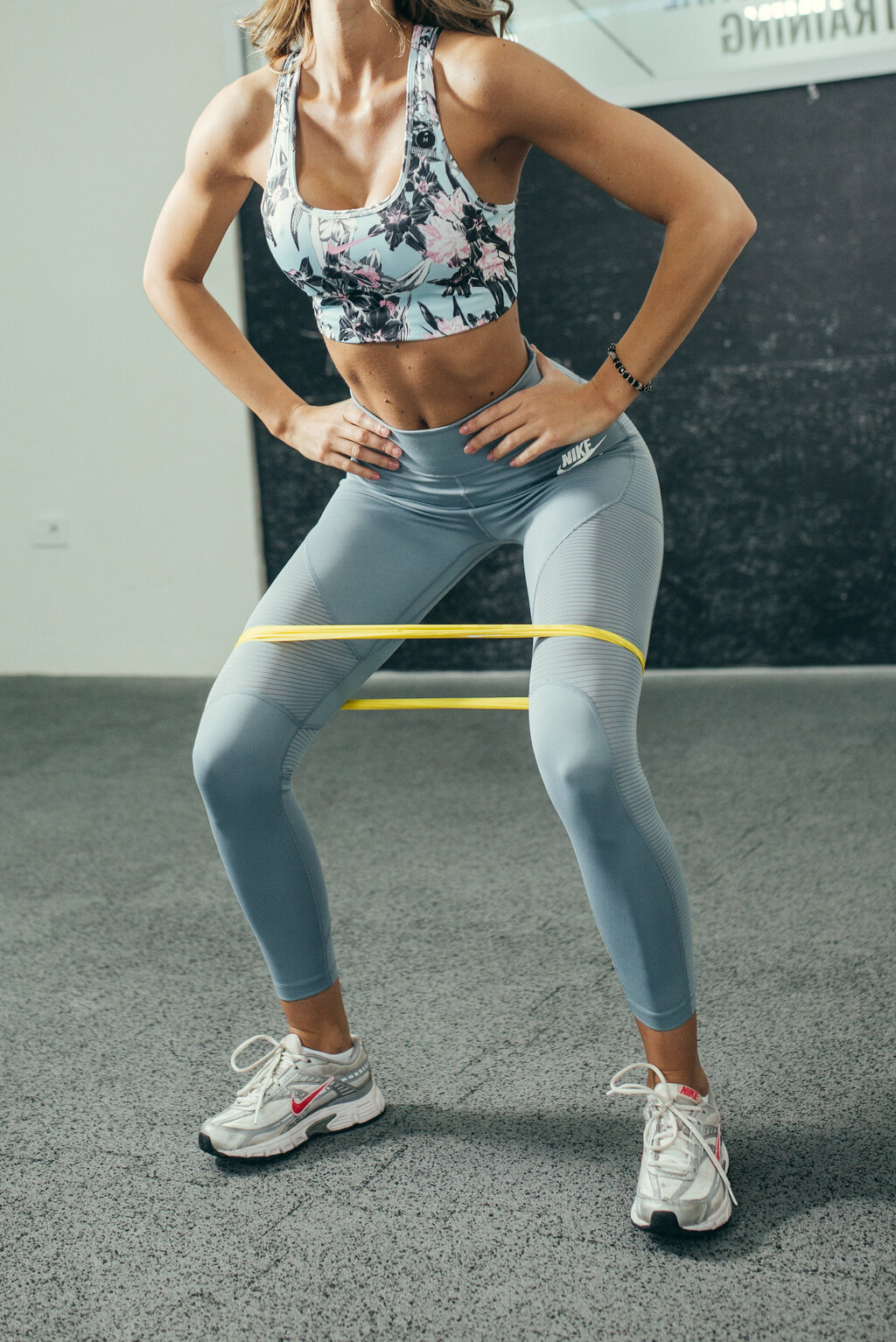
Proper technique in foundational movements builds a strong base and prevents injury.
Time to check your understanding of these core concepts.
What are the four fundamental movements your body is designed to perform, as described in the text?
When performing a squat or a hinge, what does maintaining a 'neutral spine' mean?
Mastering these fundamentals isn't the most exciting part of training, but it's the most important. A solid foundation of movement quality will allow you to build strength safely for years to come, making you a more resilient and powerful athlete.