Teen Guide to Stock Market Success
Market Mechanics
Owning a Piece of the Action
When you use your phone, stream a movie, or wear your favorite sneakers, you're interacting with a business. What if you could own a tiny piece of that business? That's exactly what a share of stock is: a small slice of ownership in a company.
Imagine a company like Apple is a giant pizza. Buying one share of Apple stock ($AAPL) is like buying one slice of that pizza. You don't own the whole company, but you do own a part of it. If Apple does well and makes a lot of money, the value of your slice can go up. If it struggles, the value can go down.
But you can't buy a slice of just any company. Businesses are either private or public.
| Private Companies | Public Companies |
|---|---|
| Owned by a small group of people (like the founders, their families, and private investors). | Owned by anyone who buys their stock on the open market. |
| You can't buy shares easily. | Shares are available to the public on a stock exchange. |
| Examples: SpaceX, LEGO, Chick-fil-A | Examples: Disney, Nike, McDonald's |
A private company can decide it wants to sell shares to everyone. To do that, it needs to 'go public'.
Going Public
Why would a company want to share its ownership with thousands of strangers? The main reason is to raise a lot of money, fast. Imagine a successful coffee shop chain that wants to open 100 new stores. That takes a huge amount of cash.
To get that cash, the company can hold an (IPO). This is the very first time the company sells its stock to the public. It works with big banks to decide how many shares to sell and at what price. The money from that first sale goes directly to the company to help it grow—building new factories, hiring more people, or creating new products.
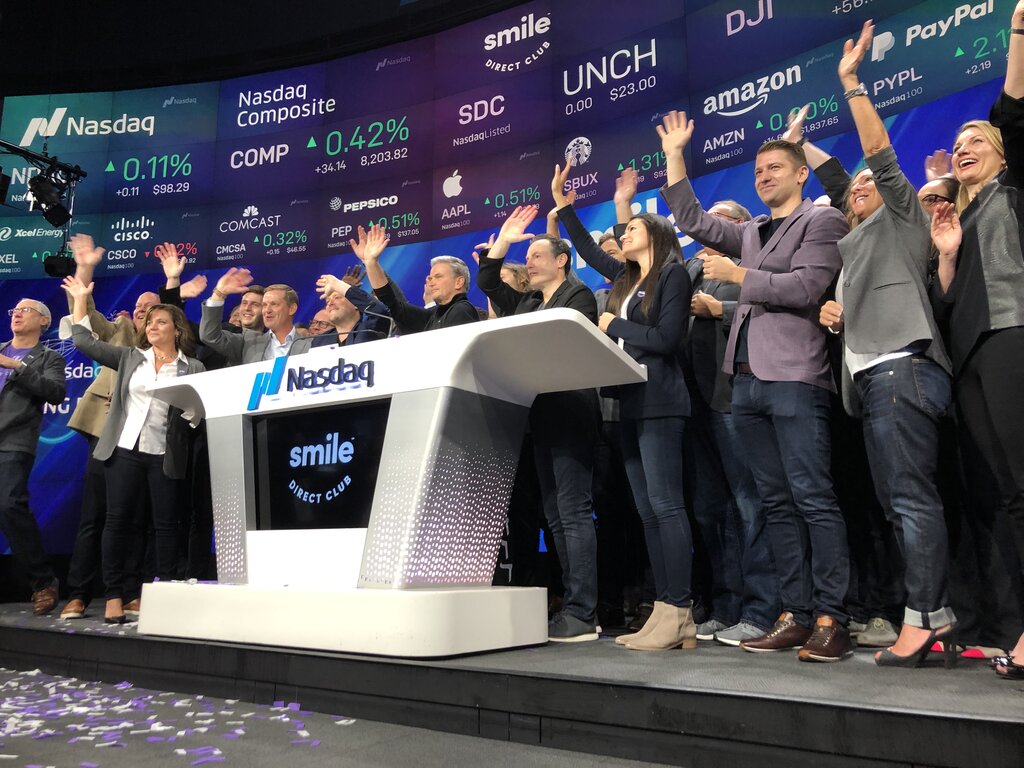
After the IPO, the company's stock starts trading on a stock market. From that point on, when you buy a share, you're usually buying it from another investor who is selling, not from the company itself.
A Giant Marketplace
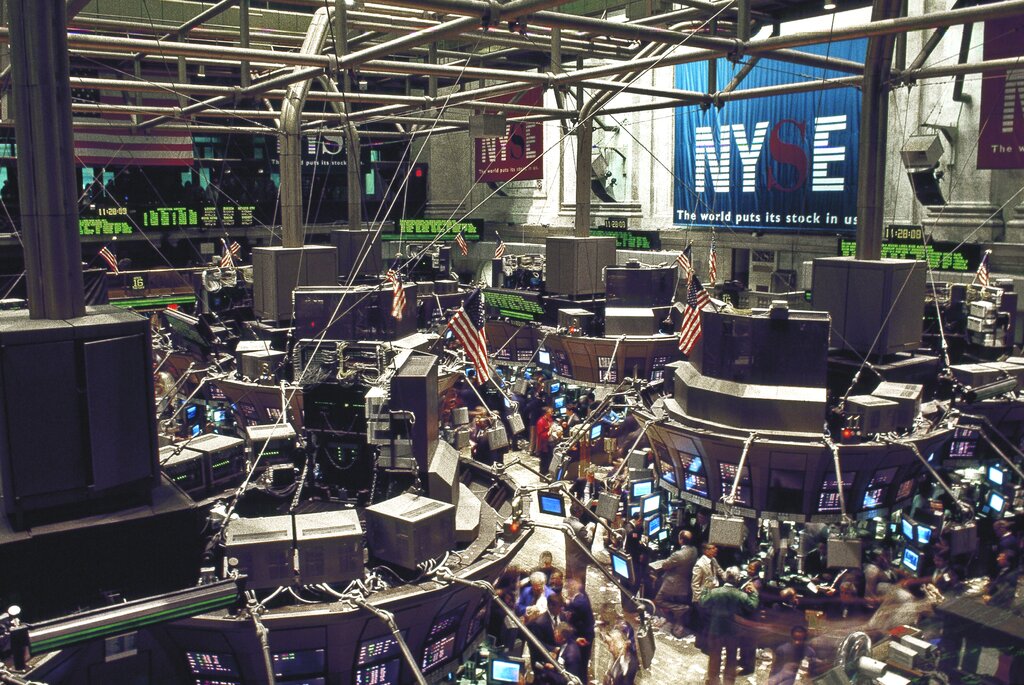
A stock market is just a place where buyers and sellers meet to trade shares. In the old days, this happened on a chaotic, crowded floor with traders yelling and waving paper tickets. Today, it's mostly digital, happening in milliseconds on computers all over the world.
The two most famous stock exchanges in the U.S. are the (NYSE) and the Nasdaq. The NYSE is the older one, with its famous trading floor on Wall Street. The was the world's first all-electronic stock market, and it's home to many of the biggest tech companies, like Apple, Amazon, and Microsoft. Think of them as two giant, competing stores for stocks.
So what makes a stock's price wiggle up and down every day? It all comes down to supply and demand.
Supply is how many shares are available for sale. Demand is how many people want to buy those shares.
If a company announces a popular new product, more people will want to buy its stock (high demand). If there aren't enough sellers to meet that demand, buyers will have to offer a higher price to convince someone to sell. The price goes up.
On the other hand, if a company reports bad news, many shareholders might try to sell at once (high supply). With more sellers than buyers, sellers have to lower their prices to attract a buyer. The price goes down.
Every trade, big or small, is a vote of confidence (or a lack of it) in a company's future. The market is simply a tool for companies to grow and for people to share in that journey.
What does a share of stock represent?
What is the main purpose of an Initial Public Offering (IPO)?
That's how the market works in a nutshell. It connects companies that need money to grow with people who are willing to invest in their future success.