Technology Tools for Community Learning
Introduction to Educational Technology
What Is Educational Technology?
Educational technology is more than just putting computers in classrooms. It’s a field of study and practice focused on improving learning and performance by creating, using, and managing technological processes and resources. It's about the thoughtful integration of tools to support how we teach and how students learn.
Classroom technology refers to the use of digital tools, devices, software, and online platforms to support and enhance teaching and learning in schools.
Think of it as the intersection of education and technology. The goal isn't just to use new gadgets for their own sake, but to leverage them to create more effective, engaging, and accessible learning experiences. This could mean anything from a simple online quiz to a complex virtual reality simulation.
A Brief History of Classroom Tech
Technology in education didn't begin with the internet. For centuries, educators have adopted new tools to share knowledge. The printing press was a revolutionary piece of educational technology, making books widely available for the first time. Later, chalkboards allowed for dynamic, real-time instruction.
The 20th century accelerated this trend. Filmstrips and overhead projectors brought visual aids into the classroom. Radio and television were used to broadcast educational programs to a wide audience, breaking down geographical barriers to learning.
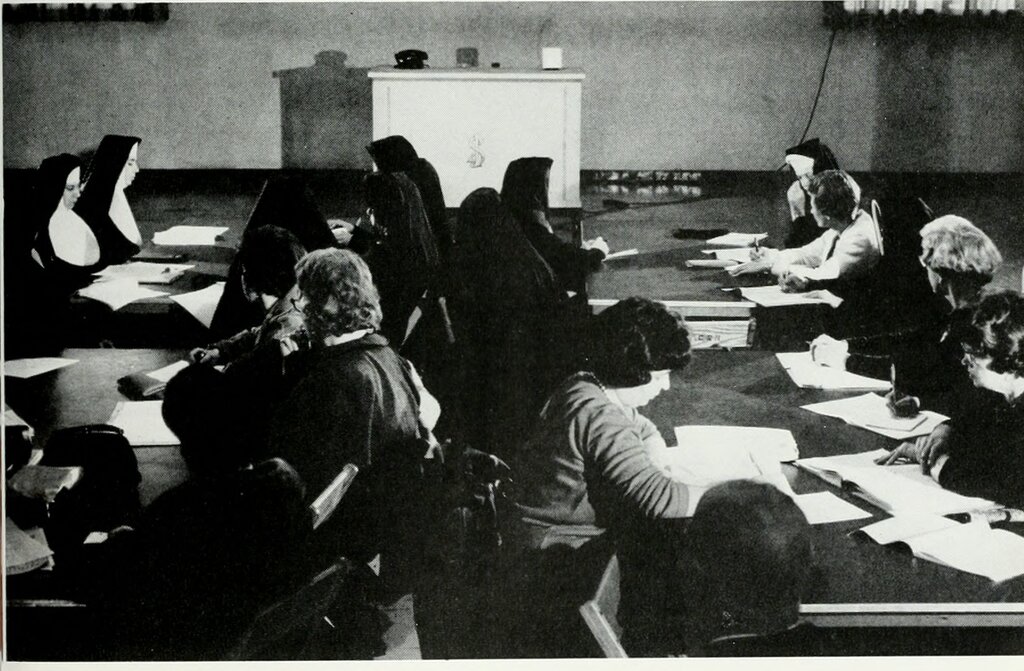
The personal computer's arrival in the 1980s marked a major turning point, introducing computer-assisted instruction and educational games. But the true game-changer was the internet. It connected classrooms to a global repository of information and enabled new forms of communication and collaboration, setting the stage for the digital tools we use today.
Core Tools of the Trade
Today's educators have a wide array of digital tools at their disposal. While the options are vast, a few key types form the backbone of the modern digital classroom.
Interactive Whiteboard
noun
A large interactive display, often resembling a traditional whiteboard, that connects to a computer and projector. Users can control the computer using a pen, finger, or other device.
Interactive whiteboards transformed the old projector screen from a passive display into a dynamic, hands-on tool. They allow teachers to present multimedia content, write notes, and save their work digitally, making lessons more visual and engaging.
Learning Management System (LMS): The central hub for a course. An LMS is a software application for administering, documenting, tracking, and delivering educational courses. It's where students find their syllabus, assignments, grades, and course materials. Common examples include Canvas, Blackboard, and Google Classroom.
Think of an LMS as a digital version of a classroom's filing cabinet, calendar, and bulletin board all rolled into one. It organizes everything a student needs and provides a platform for communication between students and teachers outside of class time.

Educational Software: This is a broad category that includes any computer program created for educational purposes. It ranges from drill-and-practice apps that reinforce math facts to sophisticated software that simulates science experiments or teaches a new language. These tools can offer personalized learning paths, adapting to a student's performance to provide extra help or more challenging problems as needed.
Shifting How We Teach
The integration of these tools has had a profound impact on teaching methodologies. Technology enables a shift from the traditional teacher-centered model, where the instructor is the primary source of knowledge, to a more student-centered approach.
In this model, the teacher acts more as a facilitator, guiding students as they use technology to explore, create, and collaborate. Learning becomes a more active and personalized process. For instance, instead of just listening to a lecture on ancient Rome, students might use software to take a virtual tour of the Colosseum or work together on a shared digital presentation.
Effective technology integration in the classroom allows teachers to deliver interactive lessons, personalise learning, and provide students with engaging, flexible, and collaborative learning experiences.
This shift doesn't replace the core principles of good teaching. Instead, it provides powerful new tools to put those principles into practice, creating a more dynamic and effective learning environment.