Technology Due Diligence Essentials
Introduction to Technology Due Diligence
Looking Under the Hood
Before you buy a house, you hire an inspector. They check the foundation, the plumbing, the electrical system—everything. You want to know exactly what you’re getting into before you sign the papers. Technology due diligence is the same idea, but for a business deal.
It’s a thorough investigation into a company's technology to uncover risks, validate its strengths, and see how well it supports the business.
This process is a critical step in any merger, acquisition, or significant investment. When one company buys another, it's not just acquiring customers or a brand name; it's inheriting a whole ecosystem of software, hardware, and the teams that run them. Without a proper inspection, the buyer could be in for some nasty surprises.
Due diligence is a deep-dive investigation into the target company’s affairs – it’s perhaps the most important phase to confirm everything is as expected (or uncover any issues) before the deal is sealed.
The Core Objectives
The main goal of technology due diligence is to answer a few big questions with confidence. It’s not about finding fault; it’s about gaining clarity. The process centers on three key objectives.
First, the team identifies potential risks. Is the software built on an obsolete programming language that no one knows how to maintain? Are there major security holes that could lead to a data breach? Is the company's claim to own its intellectual property actually solid?
Next, it's about validating capabilities. The company might claim its platform can handle a million users, but can it really? This step tests the technology's performance, scalability, and reliability. It verifies that what's on paper matches reality.
Finally, the process ensures the technology aligns with business goals. A cutting-edge piece of software isn't very useful if it doesn't solve a real customer problem or contribute to the bottom line. This objective connects the tech back to the overall strategy, ensuring it’s a true asset and not just a complex, expensive hobby.
The Process in Brief
A typical technology due diligence process is a structured, systematic review. It usually starts high-level and then drills down into the details as needed.
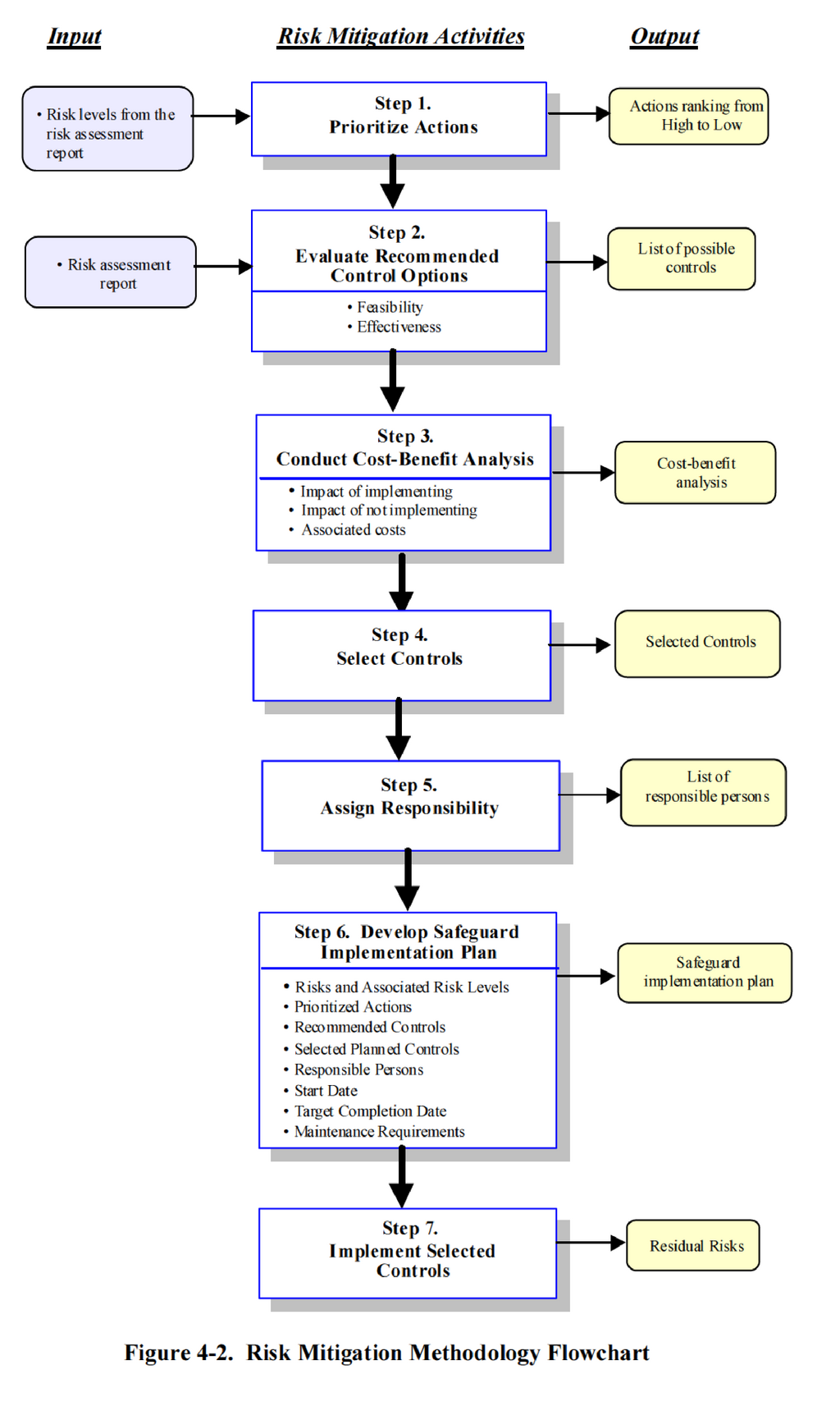
The process begins with information gathering. This involves reviewing documents, from system architecture diagrams to software licenses and team organization charts. The goal is to get a lay of the land.
Next comes a series of interviews with key personnel—the CTO, lead engineers, and product managers. These conversations help fill in the gaps from the documentation and provide context about the culture, processes, and challenges the team faces.
Finally, the due diligence team will often perform a technical analysis. This can range from a source code review to a security scan or a performance load test. This hands-on step validates the information gathered from documents and interviews.
Once all the information is collected and analyzed, the findings are compiled into a report. This report summarizes the state of the technology, highlights key strengths and weaknesses, and provides recommendations. It gives decision-makers the clear, unbiased information they need to move forward wisely.