Technical Vocational Education Training Explained
Introduction to TVET
Learning by Doing
Beyond traditional academic paths lies a world of education focused on practical, job-ready skills. This is the realm of Technical and Vocational Education and Training, or TVET. It's an approach to learning that prepares people for specific trades, crafts, and careers at various levels, from a technician to a high-level practitioner.
Technical and Vocational and training” is used as comprehensive terms referring to those aspects of the education process involving, in addition to general education the study of technologies and related sciences, and the acquisition of practical skills, attitudes, understanding, and knowledge relating to occupation in various sectors of economic and social life.
The core idea of TVET is learning through application. Instead of focusing only on theory, students get hands-on experience, working with the same tools and equipment they will use in their future jobs. This approach builds not just knowledge, but also confidence and competence.
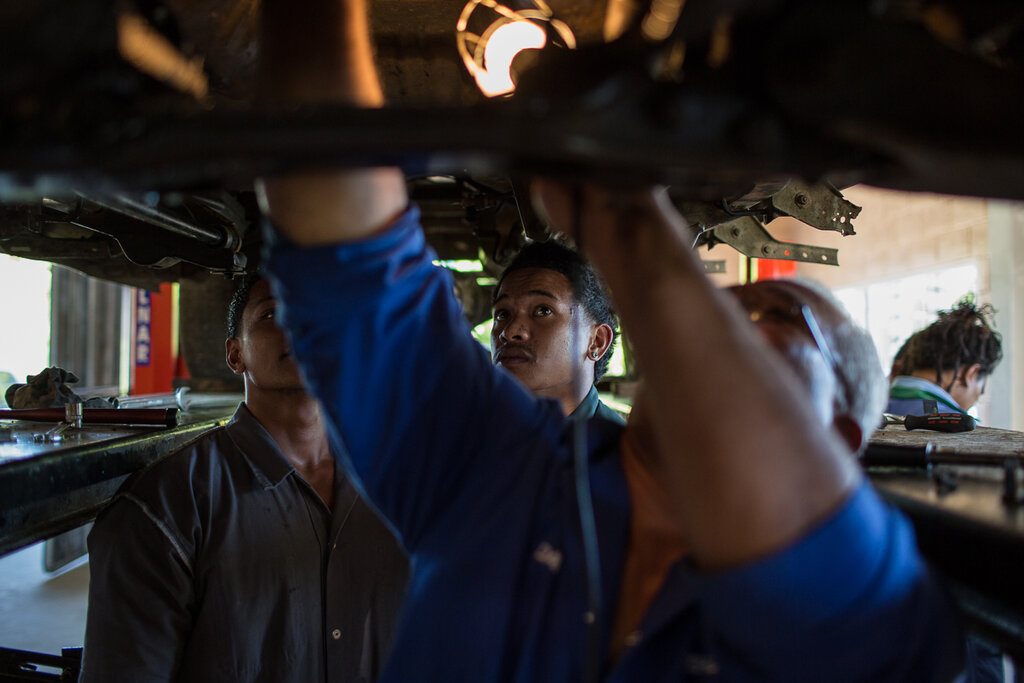
A Wide Range of Fields
When you think of vocational training, you might picture careers like welding or carpentry. While those are important parts of TVET, the scope is much broader and constantly evolving to meet the demands of modern economies. Today's TVET programs prepare students for careers in cutting-edge sectors.
| Sector | Example Professions |
|---|---|
| Information Technology | Network Administrator, Web Developer, Cybersecurity Analyst |
| Healthcare | Nursing Assistant, Dental Hygienist, Paramedic |
| Engineering & Trades | Electrical Technician, Welder, Plumber |
| Business & Hospitality | Culinary Artist, Hotel Manager, Bookkeeper |
| Creative Industries | Graphic Designer, Animator, Sound Technician |
This diversity makes TVET a vital pathway for many different kinds of learners, offering direct routes to stable and in-demand careers.
Building a Sustainable Future
TVET plays a crucial role in sustainable development. By equipping individuals with practical skills, it empowers them to find decent work, support their families, and contribute to their communities. A skilled workforce drives economic growth, innovation, and self-reliance.
Furthermore, TVET promotes lifelong learning. As industries change, people can return to vocational training to update their skills or pivot to new careers. This adaptability is essential for building resilient individuals and economies capable of thriving in a changing world.
Now, let's check your understanding of these core ideas.
What is the primary focus of Technical and Vocational Education and Training (TVET)?
According to the text, TVET programs are limited to traditional trades like plumbing and construction.
TVET provides a direct and practical path to a wide range of professions, making it a cornerstone of both individual opportunity and national development.