Technical Video Content Creation
Video Production Basics
The Three Acts of Video Production
Making a video is a lot like telling a story. It has a beginning, a middle, and an end. In the world of video, we call these three stages pre-production, production, and post-production. Each phase has its own purpose and set of tasks, and they all flow into one another to create a finished product.
Think of it this way: pre-production is writing the script and setting the stage. Production is the performance itself. Post-production is editing the performance into a compelling story. Skipping or rushing any of these steps is a recipe for a messy, confusing final video.
Before You Press Record
The first stage, pre-production, is all about planning. It’s where you do all the thinking, organizing, and problem-solving before the camera ever starts rolling. This is arguably the most important phase. Good planning here saves you massive headaches later.
Key activities in pre-production include:
- Concept and Scripting: What’s the video about? Who is it for? This is where you nail down the core idea and write a script.
- Storyboarding: You create a visual blueprint of your video, shot by shot. It’s like a comic book version of your script and helps everyone visualize the final product.
- Casting and Location Scouting: Finding the right people to be on camera and the perfect places to film.
- Scheduling and Budgeting: Mapping out who needs to be where and when, and figuring out how much it will all cost.

Remember your video production starts long before your shoot day.As with anything, a little preparation goes a long way.
Lights, Camera, Action
This is the part everyone imagines when they think of making a video: the production stage. All your careful planning comes to life as you capture the footage. This is where the crew comes together to film the scenes according to the script and storyboard.
On set, a team of people works together, each with a specific job. While a huge Hollywood blockbuster might have hundreds of crew members, a smaller production relies on a core team.
| Role | Responsibility |
|---|---|
| Director | The creative lead. Guides the actors and crew to bring the script to life. |
| Cinematographer | Also called the Director of Photography (DP). In charge of the camera and lighting to create the visual look and feel. |
| Sound Mixer | Captures all the audio on set, from dialogue to background noise. |
| Gaffer | The head electrician who works with the Cinematographer to set up and control the lighting. |
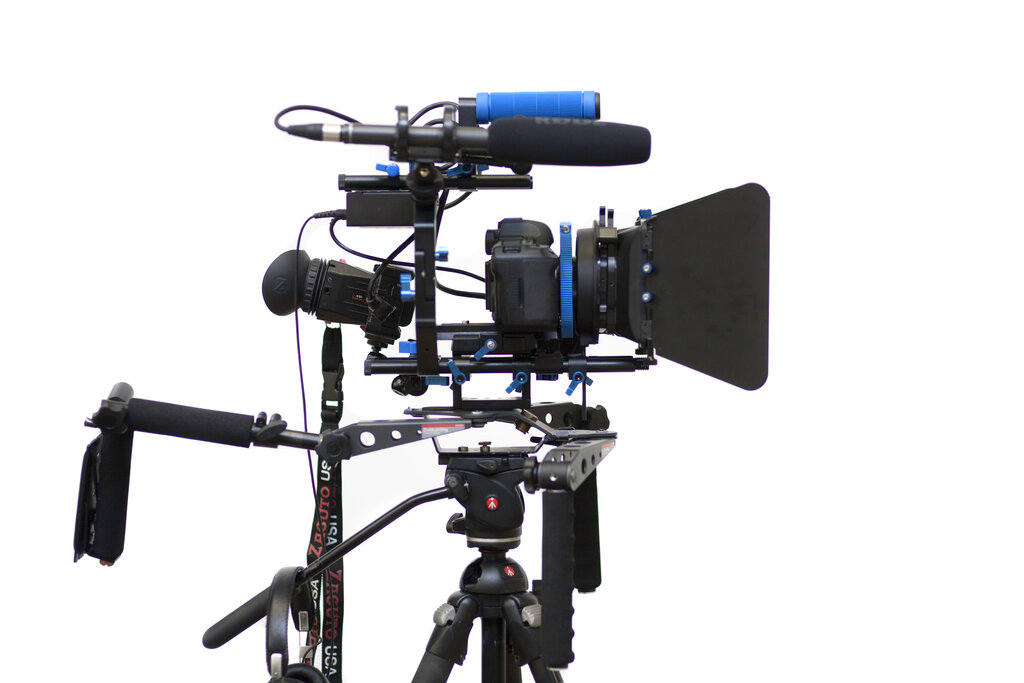
Of course, you can't film without gear. While equipment can get very complex, the essentials boil down to three categories.
Camera: The tool that captures the image. This could be anything from a smartphone to a high-end cinema camera.
Audio: Microphones to record clean dialogue and sound. Bad audio can ruin a great-looking video.
Lighting: Lights to shape the scene, create mood, and make sure everything is visible.
Putting It All Together
Once filming is complete, you're left with a collection of raw video clips and audio files. The post-production stage is where you turn all those pieces into a polished, coherent story. This is where the magic of editing happens.
The editor will assemble the footage, cutting between the best takes to create a seamless flow. This involves more than just arranging clips. Post-production also includes:
- Color Correction and Grading: Adjusting the colors to ensure consistency and create a specific mood or style.
- Sound Design and Mixing: Cleaning up the audio, adding sound effects, and mixing in music.
- Visual Effects (VFX): Adding any digital effects, from simple graphics to complex computer-generated imagery.
- Titles and Graphics: Creating opening titles, lower thirds (the text that identifies a speaker), and other on-screen text.
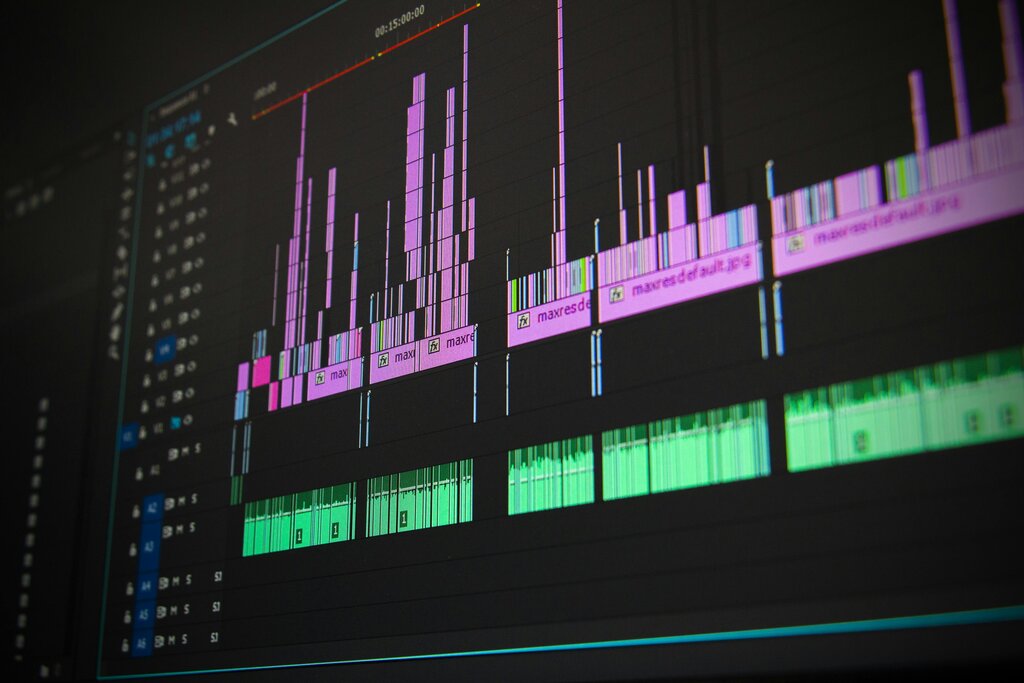
Video editing and post-production: Editing the video is a crucial step to ensure it looks professional and gets your message across effectively.
Each of these three stages—pre-production, production, and post-production—is essential. Understanding how they work together is the first step toward creating compelling and professional video content.
Ready to test your knowledge?
Which of the following correctly lists the three stages of video production in chronological order?
Adding visual effects (VFX) and sound effects occurs during which phase?
By understanding this fundamental workflow, you have a solid map for any video project you tackle, big or small.