Technical Product Management Essentials
Introduction to Technical Product Management
The Great Translator
A technical product manager, or TPM, is a translator. They stand at the crossroads of business goals, user needs, and engineering realities, ensuring everyone speaks the same language. Their job is to make sure the team builds the right product—one that solves a real problem for users while also working for the business.
Most technical product managers “sit” at the intersection of business, technology, and user experience, meaning that they are constantly involved in balancing the decisions between these three business areas (more on this later!).
Imagine a team of brilliant engineers who can build anything, but they don't know what problems customers are trying to solve. On the other side, you have business leaders who know what the market needs but don't understand the technical effort involved. The TPM is the bridge between these two worlds. They don't just manage a product; they champion it from a vague idea to a tangible solution in the hands of users.
From Vision to Reality
A TPM's work is guided by three core concepts: the vision, the strategy, and the roadmap. These elements build on each other to create a clear path forward for the entire team.
The vision is the north star. It’s the big-picture reason the product exists. It answers the question, “What future are we trying to create?” A strong vision inspires the team and keeps everyone pointed in the same direction, even when the details get complicated.
The strategy is the high-level plan for getting there. It outlines the target audience, the key challenges to overcome, and how the product will differentiate itself from competitors. It’s the path you'll take to make the vision a reality.
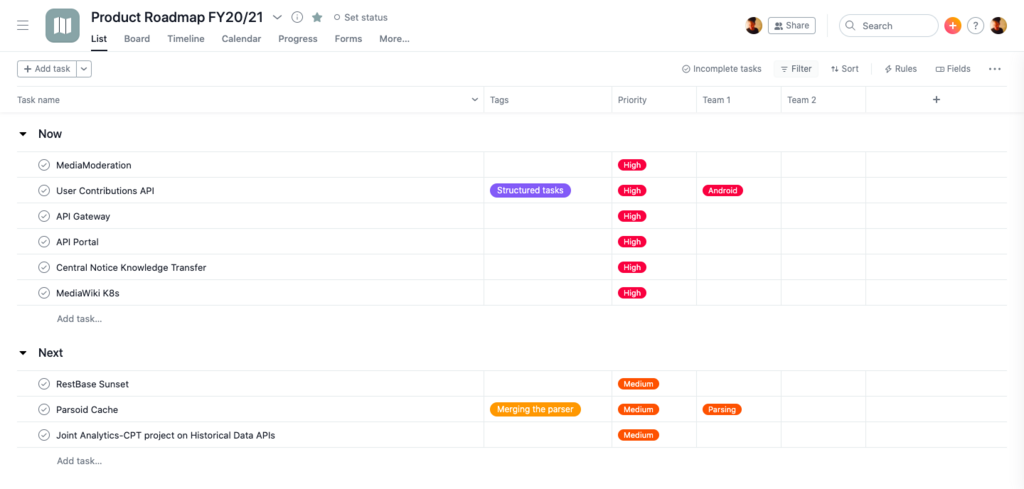
Finally, the roadmap is a visual representation of the strategy over time. It shows the major pieces of work—features, updates, and experiments—that the team plans to tackle in the coming quarters. It's not a rigid schedule but a statement of intent that helps align stakeholders and manage expectations.
Building the Bridge
A TPM's most critical function is ensuring that business objectives and technical capabilities are perfectly aligned. Misalignment is costly. It leads to building features no one uses, missing market opportunities, or creating products that are impossible to maintain.
To prevent this, TPMs act as conduits of information. They translate the needs of the business and customers into clear, actionable requirements that engineers can use to build the product. This means turning a request like, “We need to increase user engagement,” into a specific feature description, like, “Let’s build a notification system that alerts users to new activity.”
Translating product goals into technical requirements: Clearly articulate what you want AI features to achieve so that engineers and data scientists can build the right solutions.
The communication flows both ways. TPMs also explain technical limitations and possibilities to non-technical stakeholders. If a requested feature will take six months to build, the TPM explains the trade-offs. They might suggest a simpler version that can be released sooner to get user feedback. This constant negotiation and translation ensures that decisions are based on a shared understanding of both the market needs and the technical reality.

By mastering this balancing act, a technical product manager guides a product from a simple idea to a successful reality, creating value for both the user and the business.