Technical Phases of Hacking
Passive Reconnaissance
The Art of Digital Observation
Every sophisticated cyberattack begins not with a bang, but with a whisper. Before a single line of malicious code is deployed, attackers engage in passive reconnaissance, the art of gathering intelligence without directly touching the target's systems. Think of it as a private investigator watching a building from across the street. They learn the guards' shift changes, identify delivery schedules, and map out camera locations, all without setting foot on the property.
Information gathering, or reconnaissance, is the foundation of a successful penetration test.
In the digital world, this means scouring publicly available information to build a detailed profile of a target organization. Attackers patiently piece together a mosaic of data, turning seemingly harmless details into a strategic blueprint for an attack. The goal is to understand the target's structure, technology, and people to find the path of least resistance.
Mining Public Data for Clues
The primary method for passive reconnaissance is (OSINT). This isn't about hacking; it's about masterful searching. Attackers methodically sift through a vast ocean of public data sources: company websites, news articles, financial reports, and especially social media.
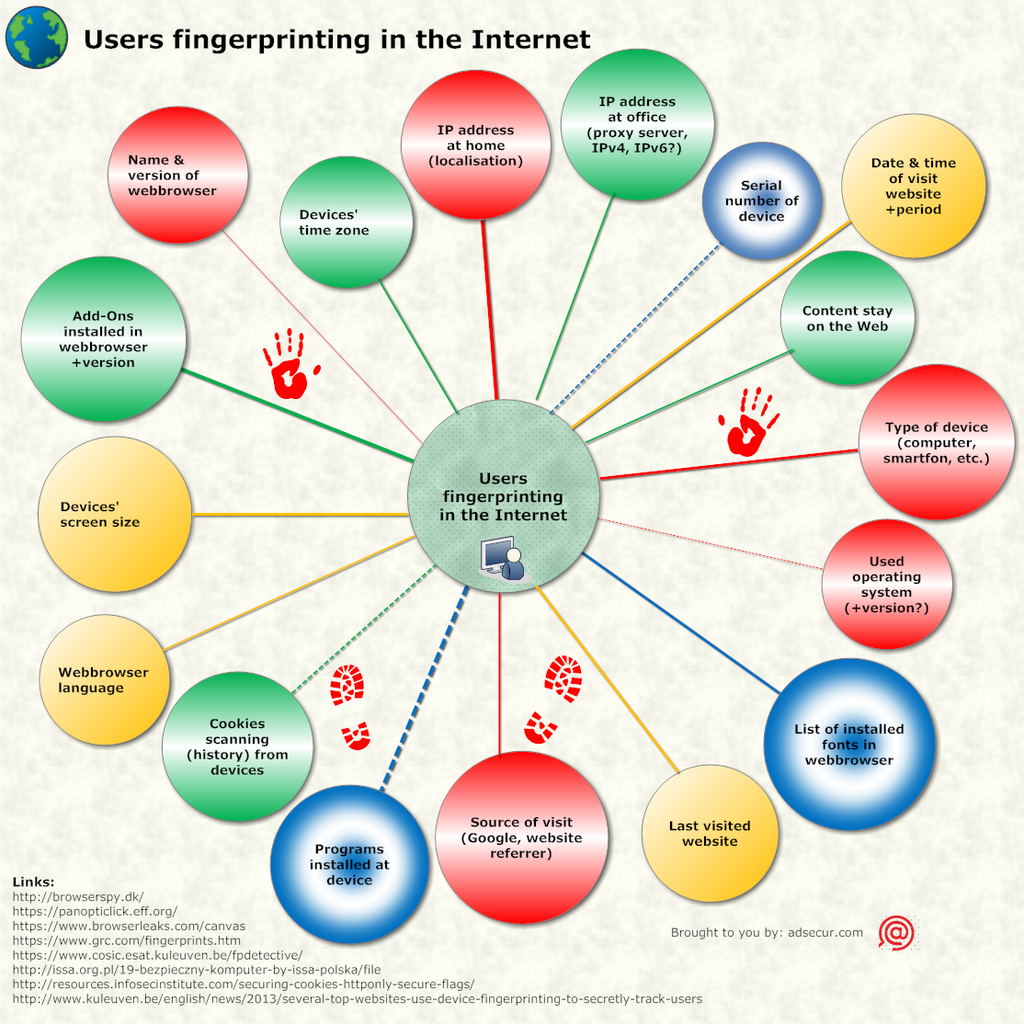
Job postings, for example, can be incredibly revealing. A listing for a network administrator that requires experience with a specific firewall brand and version number just gave the attacker a key piece of information. Similarly, an excited engineer posting on LinkedIn about a successful server migration might inadvertently reveal the company's operating system and software stack.
Attackers also analyze public documents like PDFs of annual reports or marketing materials. The metadata hidden within these files can sometimes contain usernames, software versions, and internal network paths, all collected without sending a single packet to the target's network.
Technical Footprinting
Beyond general data gathering, attackers perform technical footprinting by querying public registries. Services like are a required part of internet governance, linking domain names to the people or organizations that own them. A simple WHOIS query can reveal names, email addresses, and phone numbers of technical contacts, which are perfect targets for social engineering.
| Field | Example Information |
|---|---|
| Registrant Contact | John Doe, Example Corp |
| Admin Email | admin@examplecorp.com |
| Name Server | ns1.examplehost.net |
| Registration Date | 2010-05-12 |
| Registrar | Corporate Domains, Inc. |
DNS records are another goldmine. While an 'A' record maps a domain to an IP address, other records offer richer intelligence. MX (Mail Exchange) records point to a company's mail servers, revealing whether they manage their own email or use a cloud provider like Google or Microsoft. This tells an attacker what kind of email-based attacks might be most effective. TXT records can also contain valuable data, such as SPF (Sender Policy Framework) information that lists all the IP addresses authorized to send email on behalf of the domain, effectively mapping out parts of their network infrastructure.
By combining social data with technical records, an attacker constructs a detailed organizational chart, identifies key personnel, maps the technology stack, and learns the digital supply chain. This deep understanding, gained from a safe distance, is what makes the subsequent, more active phases of an attack so devastatingly effective.
Ready to test your knowledge? Let's see what you've learned about the silent first step of a cyberattack.
What is the primary goal of passive reconnaissance in a cyberattack?
The method of collecting information from publicly available sources like company websites, social media, and news articles is known as:
Mastering passive reconnaissance is about shifting your mindset. It's learning to see the web not just as a source of information, but as a web of interconnected clues.