Tech Entrepreneurship for Social Good
Understanding Social Entrepreneurship
Business as a Force for Good
Some of the world's most complex problems, from climate change to educational inequality, can feel too big for any one person or organization to solve. Traditionally, we've looked to governments and non-profits to tackle these issues. But a new breed of entrepreneur is taking a different approach.
Social Entrepreneurship
noun
The practice of using innovative business models and strategies to fund, develop, and implement solutions to social, cultural, or environmental issues.
Unlike a traditional charity that relies on donations, a social enterprise aims to be financially self-sufficient. It generates its own revenue by selling a product or service, just like any other business. The key difference is its core mission. While a standard company's primary goal is to maximize profit for its shareholders, a social enterprise's main purpose is to create positive change.
A social enterprise is a business that prioritizes social and environmental goals alongside financial performance.
Balancing Profit and Purpose
The biggest challenge for a social entrepreneur is walking a tightrope between mission and money. If they focus too much on the social cause, the business might fail financially. But if they focus too much on profit, they risk losing sight of their original purpose. The goal is to create a sustainable model where the business activities directly support the social mission.
Think of it this way: profit isn't the end goal, but the fuel that powers the engine of social change. Financial success allows the enterprise to grow, reach more people, and deepen its impact over the long term.
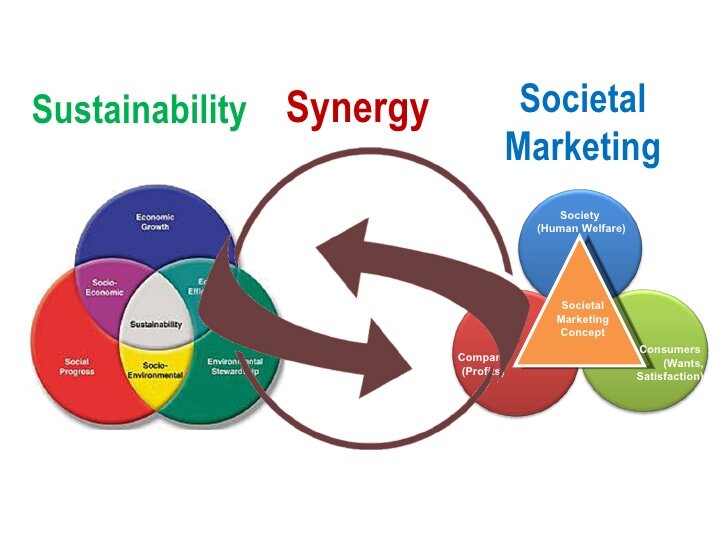
This leads to a different way of measuring success. Instead of just looking at a financial bottom line, social enterprises often measure their performance against a “double bottom line” (financial and social returns) or even a “triple bottom line” that also includes environmental impact. Success is defined not just by revenue, but by the tangible good they create in the world.
Technology as a Scalpel
Technology has become a powerful tool for social entrepreneurs, allowing them to tackle complex problems with precision and scale. A well-designed app, platform, or piece of hardware can deliver a solution to thousands, or even millions, of people in a way that was previously impossible.
| Sector | Tech Application | Social Mission |
|---|---|---|
| Education | A mobile app using AI to create personalized learning paths. | Providing affordable, high-quality tutoring to students in underserved communities. |
| Environment | Drones and satellite imagery to monitor illegal deforestation. | Protecting vital ecosystems and combating climate change. |
| Healthcare | A platform that connects rural patients with doctors via telemedicine. | Increasing access to medical care in remote areas. |
| Finance | A mobile payment system that allows people without bank accounts to access financial services. | Promoting financial inclusion and economic empowerment. |
One real-world example is Zipline, a company that uses autonomous drones to deliver medical supplies like blood and vaccines to remote hospitals in countries like Rwanda and Ghana. The technology bypasses impassable roads and logistical hurdles, saving lives in emergencies. They operate as a business, contracting with national health systems, which allows them to scale their life-saving work sustainably.
Another is Duolingo, which has a mission to make language education free and accessible to everyone. While the core app is free, it generates revenue through ads and a premium subscription. This business model allows it to fund its educational mission on a massive scale, reaching hundreds of millions of learners worldwide.
These companies show that doing good and doing well don't have to be mutually exclusive. By pairing a compelling social mission with a smart business model and innovative technology, social entrepreneurs are creating new pathways to a better world.
What is the primary characteristic that distinguishes a social enterprise from a traditional for-profit company?
The concept of a "triple bottom line" for measuring a social enterprise's success refers to which three factors?