Tech Compensation and Equity Essentials
Compensation Strategy Basics
What Is a Compensation Strategy?
A compensation strategy is a company's game plan for how it pays its employees. It’s not just about deciding how much to pay someone; it’s about creating a system that helps the business achieve its goals. Think of it like managing a sports team. You don't pay every player the same amount. The star quarterback, the reliable defender, and the promising rookie all have different contracts based on their roles, skills, and impact on winning games. A good compensation strategy works the same way, ensuring that pay reflects an employee's contribution to the company's success.
Compensation isn't just an expense. It's a powerful tool for building the team you need to win.
This strategy goes beyond the numbers on a paycheck. It’s a declaration of what the company values. Does it value innovation? Customer loyalty? Rapid growth? The way people are paid sends a clear message about what matters most. A well-designed strategy helps attract top talent, keep valuable employees from leaving, and motivate everyone to perform at their best. Without a clear plan, compensation can feel random and unfair, leading to confusion and frustration.
Aligning Pay with Purpose
A compensation strategy is only effective if it's directly tied to the company's overall business objectives. The way you pay people should support the direction the company is heading. For example, a tech startup aiming for rapid, disruptive growth will have different goals than a hospital focused on providing consistent, high-quality patient care. Their compensation plans should reflect that.
The startup might offer lower base salaries but provide significant stock options, rewarding employees for the long-term risk and innovation that could lead to a big payoff. The hospital, on the other hand, might offer competitive salaries, excellent benefits, and predictable raises to encourage stability and retain experienced staff. In each case, the compensation plan is a tool to drive the desired behaviors—innovation at the startup and reliability at the hospital.
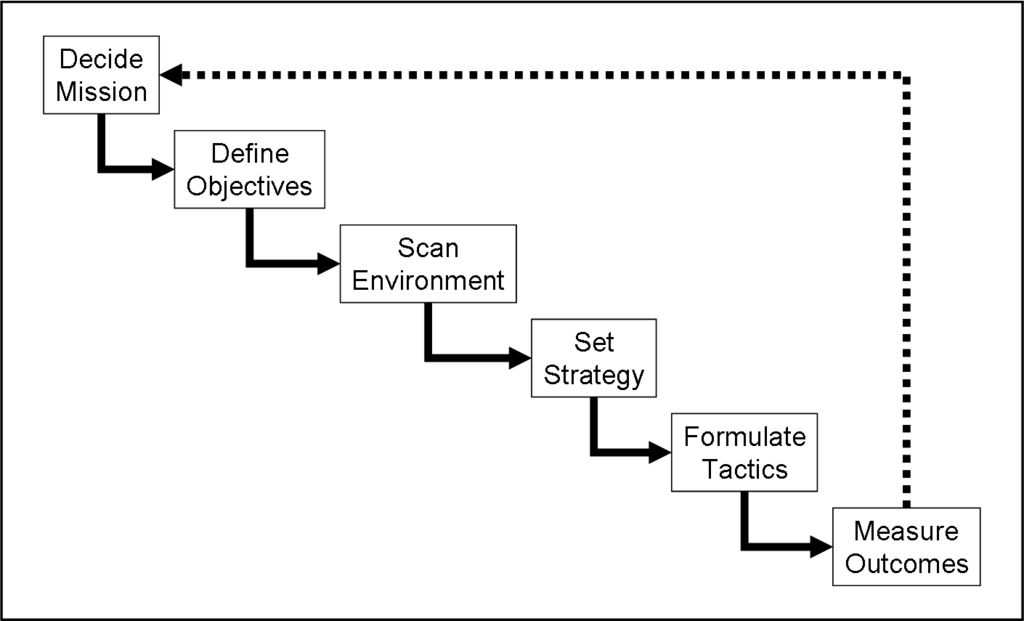
When compensation and business goals are aligned, everyone pulls in the same direction. Employees understand how their work contributes to the company's success and how they'll be rewarded for it. This clarity eliminates guesswork and helps build a culture where people are motivated to do the work that truly matters.
The Building Blocks of Compensation
When we talk about compensation, most people think of their salary. But a modern compensation plan is a package deal, often called "total rewards" or "total compensation." It includes all the different ways an employee is paid and supported. Understanding these components is key to seeing the full value of an offer.
Total compensation includes everything of monetary value your employer provides: base salary, bonuses, equity, benefits, perks, and more.
Each piece of this package serves a different purpose. Let's break down the main components:
| Component | Purpose |
|---|---|
| Base Salary | The fixed, predictable income you receive. It's the foundation of your pay. |
| Variable Pay | Performance-based pay, like bonuses or commissions. It rewards specific achievements. |
| Equity | A share of ownership in the company, such as stock options. It connects your success to the company's long-term growth. |
| Benefits | Non-cash compensation, like health insurance, retirement plans, and paid time off. Provides security and work-life balance. |
| Perks | Additional advantages, such as flexible work schedules, wellness programs, or professional development funds. Enhances the overall employee experience. |
A great compensation strategy balances these components to create a package that is competitive, fair, and aligned with the company's goals and culture. It’s about creating an offer that not only attracts the right people but also makes them feel valued for the work they do.
What is the primary purpose of a compensation strategy?
A hospital focused on providing consistent, high-quality patient care would most likely design a compensation plan that emphasizes:
By understanding these fundamentals, you can begin to see how companies use compensation strategically. It’s a core part of how they operate, compete, and build a thriving workplace.