Tech Company EHS Essentials
Introduction to EHS
What Is EHS?
Environmental, Health, and Safety (EHS) is a framework that organizations use to protect their employees, the public, and the environment from harm. It's not just about hard hats and safety goggles in a factory. In any workplace, from a software startup to a hardware manufacturing plant, EHS is about creating a system that proactively manages risks.
Think of it as the conscience of a company. It's the set of practices ensuring that business goals don't come at the cost of people's well-being or the planet's health. A strong EHS culture means safety and health are integrated into every aspect of the business, from product design to daily operations.
The Core Principles
EHS stands on three key pillars. Together, they form a continuous cycle for managing workplace safety.
1. Hazard Identification: The first step is to spot potential dangers. A hazard is anything that could cause harm. This isn't just about obvious physical threats like a slippery floor. In a tech office, it could be poor ergonomic setups, high-stress work environments, or improper handling of electronic components.
2. Risk Assessment: Once a hazard is identified, you assess its risk. This means figuring out how likely it is to cause harm and how severe that harm could be. A frayed cable on a rarely used device has a lower risk than a faulty chair used by an employee every day.
3. Regulatory Compliance: This involves knowing and following the laws and regulations related to workplace safety and environmental protection. These rules provide a baseline for safety, and compliance protects both the employees and the company from legal issues.
EHS in the Tech World
The tech industry has its own unique set of EHS challenges that go beyond traditional industrial safety. The fast-paced, innovative nature of tech creates a dynamic environment where risks can be less obvious but just as serious.
| Challenge | Description |
|---|---|
| Ergonomics | Long hours at a desk can lead to repetitive strain injuries (RSI), back pain, and eye strain. |
| Mental Health | High-pressure deadlines, long work hours, and an 'always-on' culture can contribute to stress and burnout. |
| E-Waste | Rapid technology cycles result in discarded electronics, which contain hazardous materials that must be disposed of properly. |
| Chemical Exposure | In hardware manufacturing and R&D labs, employees may be exposed to solvents, solders, and other chemicals. |
| Data Center Safety | These facilities have unique hazards, including high-voltage electricity, powerful cooling systems, and noise. |
Addressing these challenges requires a modern approach to EHS. It’s not about eliminating all risks, but managing them intelligently. Often, the most effective controls are those that are designed into the process from the start.
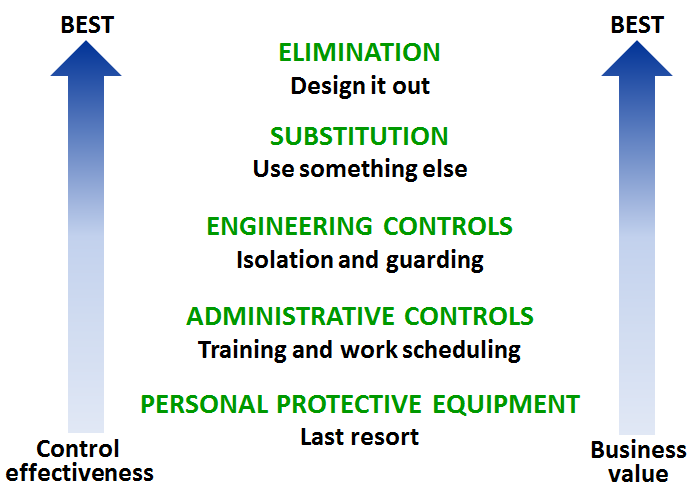
The Payoff of a Strong Program
Implementing a robust EHS program isn't just about avoiding fines or accidents. It's a strategic investment that pays dividends in several ways:
- Enhanced Employee Well-being: A safe and healthy workplace leads to happier, more engaged employees. When people feel their company cares about their well-being, morale and loyalty increase.
- Increased Productivity: Fewer injuries and illnesses mean less downtime. A well-designed workspace and manageable stress levels help people focus and do their best work.
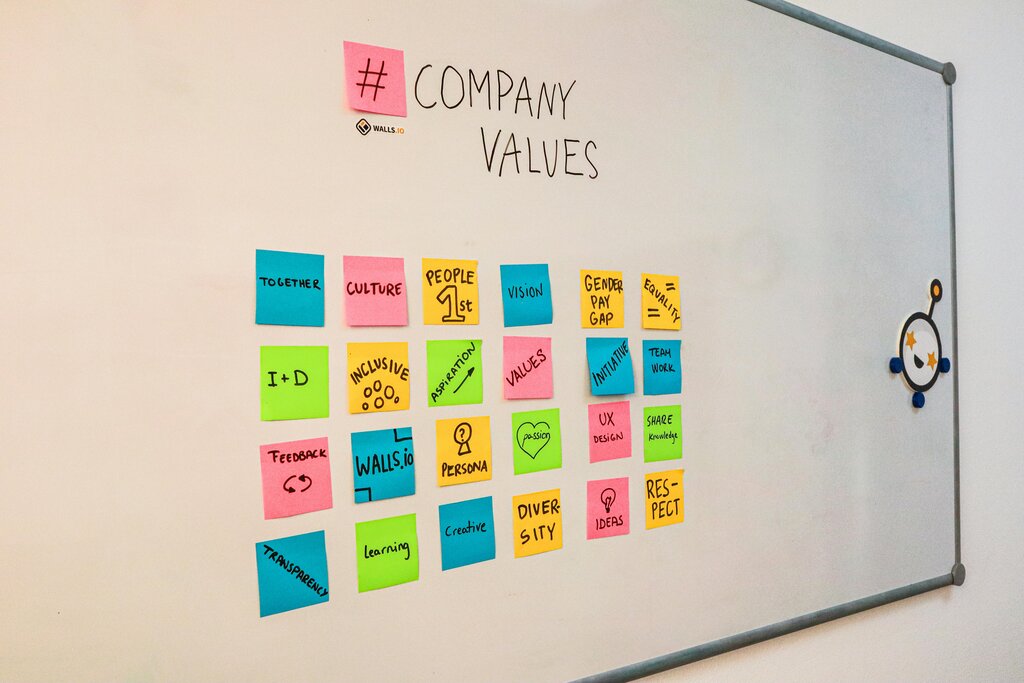
- Strengthened Reputation: A strong commitment to EHS builds trust with customers, investors, and the community. It's a key part of corporate social responsibility (CSR) and can be a powerful differentiator in a competitive market.
Now, let's test your understanding of these foundational concepts.
What is the primary purpose of an Environmental, Health, and Safety (EHS) framework in an organization?
Evaluating how likely a frayed electrical cord is to cause harm and how severe that harm could be is an example of which EHS pillar?
Ultimately, EHS is about creating a work environment where people can thrive. It’s a fundamental aspect of a modern, responsible, and successful technology company.