Tech Cleaning and Hygiene Essentials
Introduction to Technological Environments
What is a Controlled Environment?
Many of the technologies we rely on, from smartphones to medical devices, depend on components that are incredibly delicate. Even a single speck of dust, a tiny shift in temperature, or a zap of static electricity can cause catastrophic failure. To prevent this, sensitive equipment is often built and housed in controlled environments.
A controlled environment is a space where factors like temperature, humidity, air quality, and even static electricity are strictly managed. Think of it as a protective bubble, custom-designed to keep sensitive electronics safe and functioning properly. These aren't just clean rooms; they are highly engineered spaces critical to modern technology.
Data Centers
A data center is the physical heart of the internet and cloud computing. It's a dedicated facility that houses an organization's servers, data storage drives, and networking equipment. Its purpose is to centralize and manage these resources, ensuring data is always available and secure.
Inside, the environment is far from ordinary. Racks of servers generate immense heat, which must be constantly removed by powerful cooling and ventilation systems. The temperature and humidity are kept within a very narrow range to prevent overheating and condensation. Uninterruptible power supplies and backup generators ensure the systems never go down, while advanced security measures control physical access. Essentially, a data center is a life-support system for critical information.
Cleanrooms
For some technologies, just controlling temperature and humidity isn't enough. Manufacturing computer chips, developing pharmaceuticals, or assembling spacecraft components requires an environment that is almost completely free of contaminants. This is where cleanrooms come in.
A cleanroom is designed to drastically limit the concentration of airborne particles like dust, microbes, and aerosol droplets. The air is continuously filtered through High-Efficiency Particulate Air (HEPA) filters, and the room itself is kept at a higher pressure than the outside to ensure contaminants can't leak in. People working inside must wear special suits, often called 'bunny suits,' to prevent shedding skin cells, hair, or fibers.
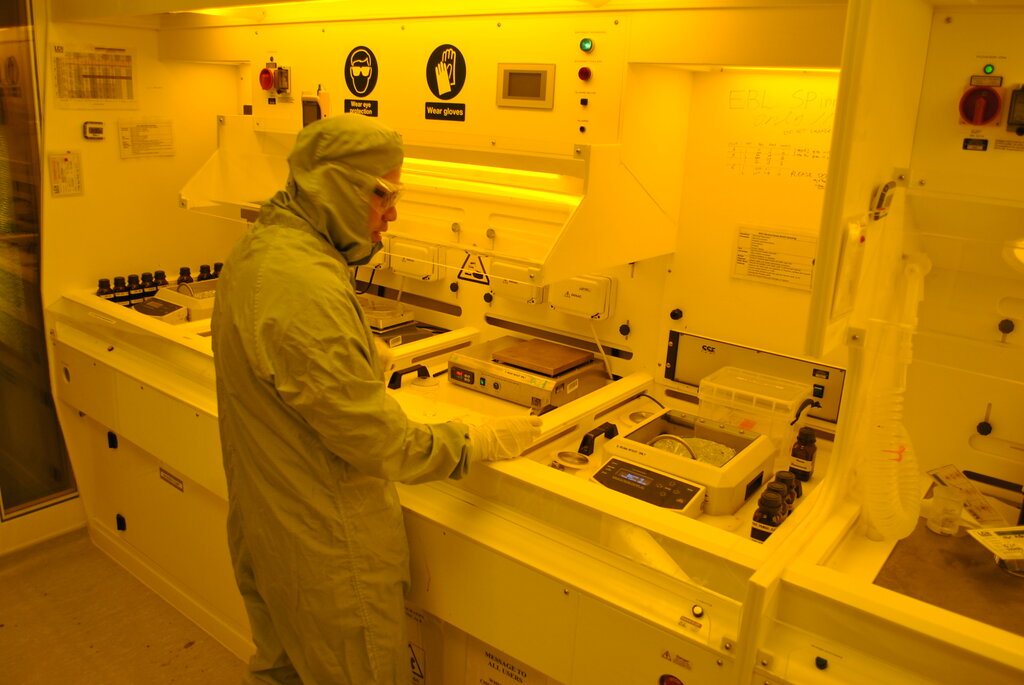
Cleanrooms are rated based on a classification system, most commonly the ISO 14644-1 standard. This standard specifies how many particles of a certain size are allowed per cubic meter of air. A lower ISO class number means a cleaner, more stringently controlled environment.
| ISO Class | Max Particles/m³ (≥0.5 µm) | Common Application |
|---|---|---|
| ISO 9 | 35,200,000 | Typical room air |
| ISO 7 | 352,000 | Hospital operating room |
| ISO 5 | 3,520 | Semiconductor manufacturing |
| ISO 3 | 35 | Advanced nanoscale research |
As you can see, the air in an advanced cleanroom can be thousands of times cleaner than the air in a hospital operating room. This extreme level of purity is necessary to produce the microscopic circuits found in modern processors and memory chips.
Device Maintenance Areas
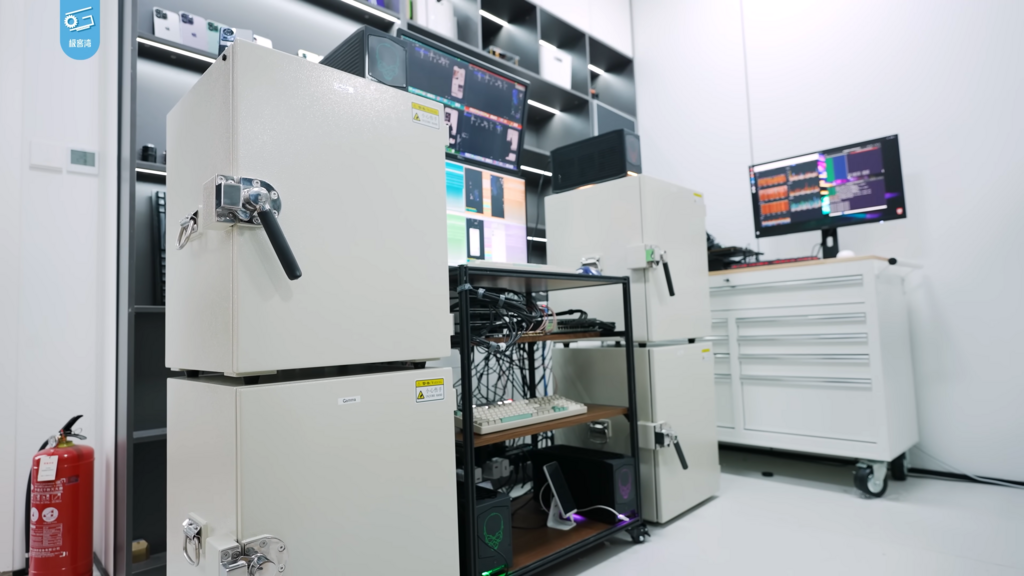
Not every technological task requires a full-scale cleanroom, but many still need a controlled space. Electronic device maintenance areas are where technicians repair, upgrade, and test hardware. These spaces are a middle ground between a standard office and a cleanroom.
While they may not have the intense air filtration of a cleanroom, these areas are designed to minimize risks to sensitive electronics. Common features include anti-static flooring and workbenches to prevent electrostatic discharge (ESD), which can instantly destroy electronic components. Air quality is kept clean, and access is often restricted to trained personnel. The goal is to provide a safe, stable environment to work on opened devices without introducing contaminants or electrical hazards.
What is the primary purpose of a data center?
In the ISO 14644-1 cleanroom classification system, a lower class number (e.g., ISO Class 3) signifies a cleaner environment than a higher class number (e.g., ISO Class 7).