TEASE Nursing for Patient Safety
Introduction to TEASE
What is TEASE?
Targeted Enhanced Awareness for Safety, or TEASE, is a proactive mindset for nurses. It's about constantly scanning for potential risks before they become actual problems. Think of it less as a checklist and more as a way of thinking that integrates safety into every action.
Instead of just reacting to alarms or accidents, a nurse using TEASE is always asking, "What could go wrong here?" This approach has a few key objectives:
- Prevent patient harm: This is the primary goal. By identifying risks early, nurses can intervene before a patient is affected.
- Improve communication: TEASE encourages clear and direct communication among healthcare team members about potential safety issues.
- Foster a culture of safety: It shifts the focus from blaming individuals for errors to improving the systems that keep patients safe.
A Brief History
The principles behind TEASE didn't originate in a hospital. They grew out of safety protocols developed in other high-stakes fields, like aviation. For decades, the airline industry has used a similar concept called Crew Resource Management (CRM) to train pilots to be hyper-aware of their environment, communicate effectively, and anticipate problems.
Healthcare began adopting these ideas as the patient safety movement gained momentum in the late 20th century. Experts realized that many medical errors weren't caused by bad intentions, but by system failures and a lack of situational awareness. This marked a crucial shift from a reactive, blame-focused culture to a proactive one where safety is everyone's responsibility.
The core idea was simple: it's better to prevent an accident than to investigate one.
TEASE in Modern Nursing
Today, TEASE is woven into the fabric of modern nursing. It’s not an extra task to be completed during a shift; it's a continuous process that enhances routine care. You can see it in action during critical moments like patient handoffs, where a TEASE-minded nurse will not only share vital signs but also mention subtle observations, like a family member's anxiety or a slight change in the patient's breathing pattern.
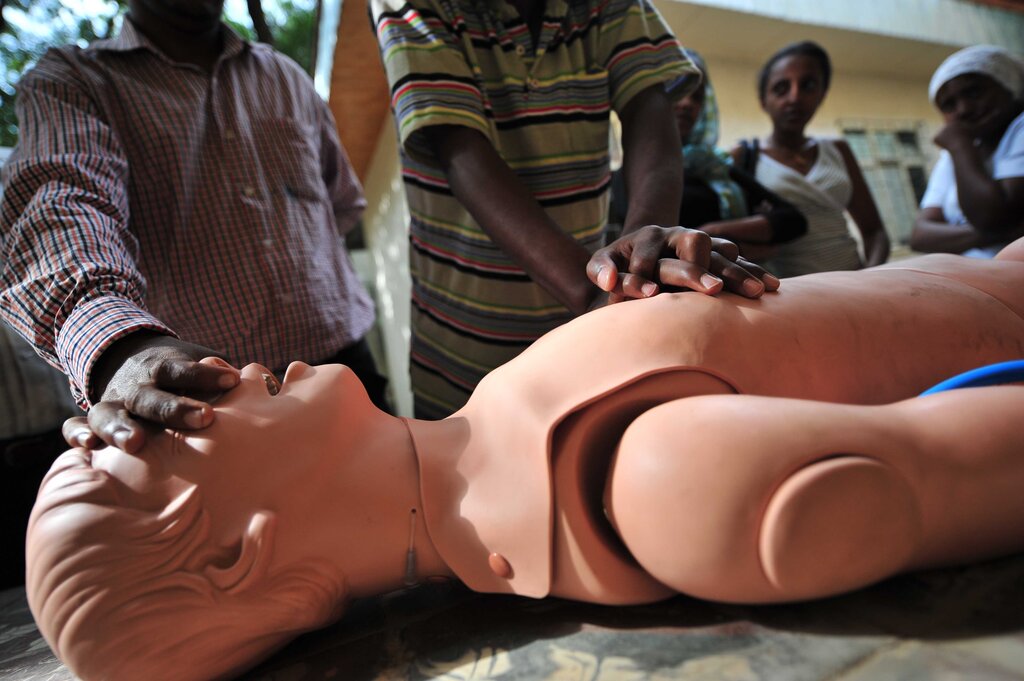
This heightened awareness is crucial during medication administration, prompting nurses to double-check dosages and question orders that seem unusual. It also applies to the physical environment. A nurse using TEASE will notice a tangled IV line, a spill on the floor, or a bed rail that isn't properly secured and address it immediately. It's about seeing the entire picture, not just the immediate task.
Situational Awareness
noun
The perception of environmental elements and events, the comprehension of their meaning, and the projection of their status in the near future. It is a core component of TEASE.
By actively looking for these small details, nurses can prevent common problems like patient falls, medication errors, and hospital-acquired infections. This proactive stance is what makes TEASE a powerful tool for protecting patients from harm.
Time to check what you've learned.
What is the primary goal of the Targeted Enhanced Awareness for Safety (TEASE) mindset?
The principles behind TEASE were originally adapted from safety protocols developed in which other high-stakes field?
TEASE provides a foundational framework for patient safety. It transforms routine tasks into opportunities to protect patients by fostering a mindset of constant, targeted awareness.