Teaching the Developing Middle School Mind
Adolescent Social Processing
The Emotional Engine
In the middle school classroom, you're not just teaching social studies; you're navigating the raw, supercharged engine of the adolescent brain. The limbic system, the brain's emotional core, acts like a gas pedal that's pushed firmly to the floor during these years. The cognitive control system, the part responsible for impulse control and long-term thinking, is still developing its braking power. This creates a brain that's highly responsive and deeply motivated by emotion and social connection.
This heightened emotional state isn't a bug; it's a feature of adolescent development. It primes students to learn the most complex thing they'll ever face: how to navigate a social world. For a middle schooler, social information isn't just interesting—it's critical. Their brains process peer acceptance, social status, and group dynamics with an intensity that rivals primary survival needs.
The Currency of Social Approval
At the heart of this social drive is a small but powerful region called the ventral striatum, a key part of the brain's reward circuitry. While this area responds to all sorts of pleasant things, during adolescence, it becomes exceptionally tuned to social rewards. A compliment from a friend, a nod of approval, or being included in a group chat can trigger a dopamine rush more powerful than many other kinds of rewards.
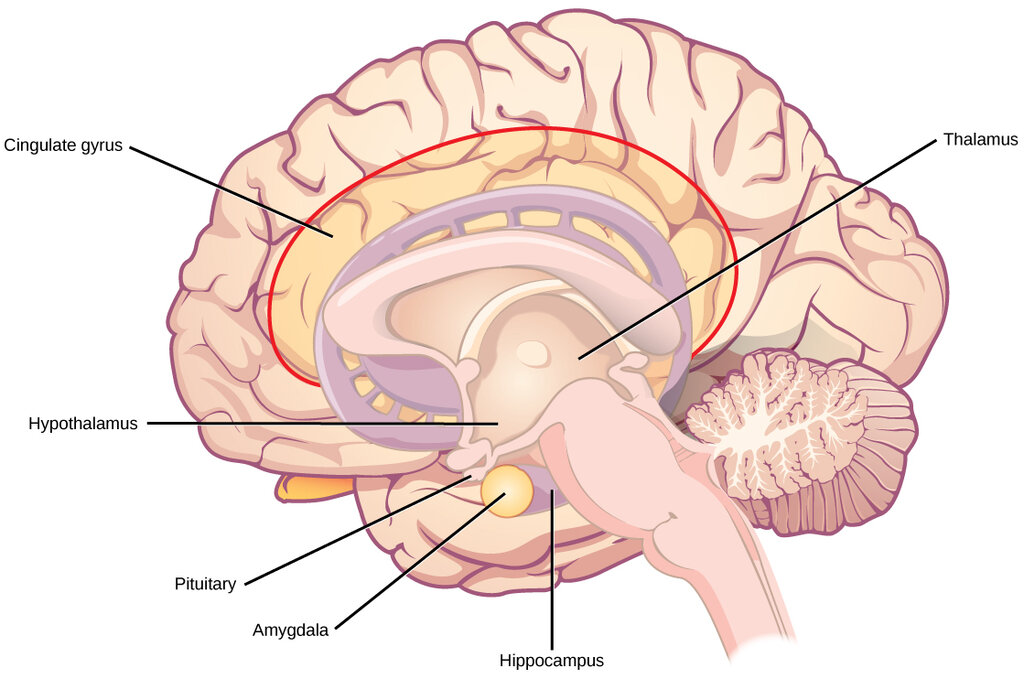
Think of social validation as the primary currency for your students. They are constantly calculating what actions will earn them more of it. This is why abstract historical facts can fall flat, while stories about the people behind those facts—their alliances, rivalries, and social struggles—are so compelling. The content becomes relevant when it speaks to the social brain.
The same brain system that makes social inclusion feel euphoric also makes social exclusion feel like a genuine threat to survival.
This sensitivity is a double-edged sword. A perceived social slight or moment of exclusion can be as jarring and painful to an adolescent as physical pain. Their focus can be completely derailed by a minor social conflict because, to their brain, it's not minor at all. It's a five-alarm fire in their social-emotional world.
Tuning in to Fairness
This intense emotional processing also makes adolescents acutely sensitive to fairness and justice. Their developing amygdala, the brain's threat-detection and emotional-salience hub, is on high alert. For a student at this age, an act of perceived unfairness—whether in a historical event, a current event, or your classroom rules—can trigger a powerful threat response. It feels personal and urgent.
This is a massive opportunity for engagement. Instead of simply presenting the facts of a historical conflict, frame it as a story of fairness and injustice. Whose perspective was ignored? Who was treated unfairly? Questions like these tap directly into the adolescent brain's emotional engine. They allow students to connect with historical figures not as distant names on a page, but as people with social motivations, fears, and desires for justice that mirror their own.
By framing history through these social and emotional lenses, you connect your curriculum to the questions their brains are already working overtime to answer. You're not just teaching facts; you're giving them a new, richer context to understand the complex social world they inhabit.
According to the text, the adolescent brain can be compared to a car where the 'gas pedal' is the highly active emotional core, and the 'brakes' are the still-developing system responsible for what?
Which part of the brain, a key component of the reward circuitry, becomes exceptionally tuned to social rewards like compliments or inclusion during adolescence?