Teaching New Drivers Road Ready
Vehicle Familiarization
Getting to Know Your Car
Before you even turn the key, it's important to get familiar with your vehicle's controls and features. Think of it like meeting someone for the first time. A proper introduction helps you understand how things work, building your confidence for the road ahead. Spending a few minutes getting comfortable can make your first few drives much smoother.
Before you start driving, take some time to get comfortable with your vehicle.
This process isn't just for brand new drivers. Every car is slightly different, so even experienced drivers should take a moment to adjust the seat, mirrors, and steering wheel whenever they get behind the wheel of an unfamiliar car.
The Dashboard and Controls
The dashboard is your car's communication hub. It gives you real-time information about your speed, fuel level, and engine status. The main instruments are usually the speedometer, which shows your current speed, and the tachometer, which measures engine revolutions per minute (RPM). You'll also see a fuel gauge and a temperature gauge, which tracks how hot your engine is running.
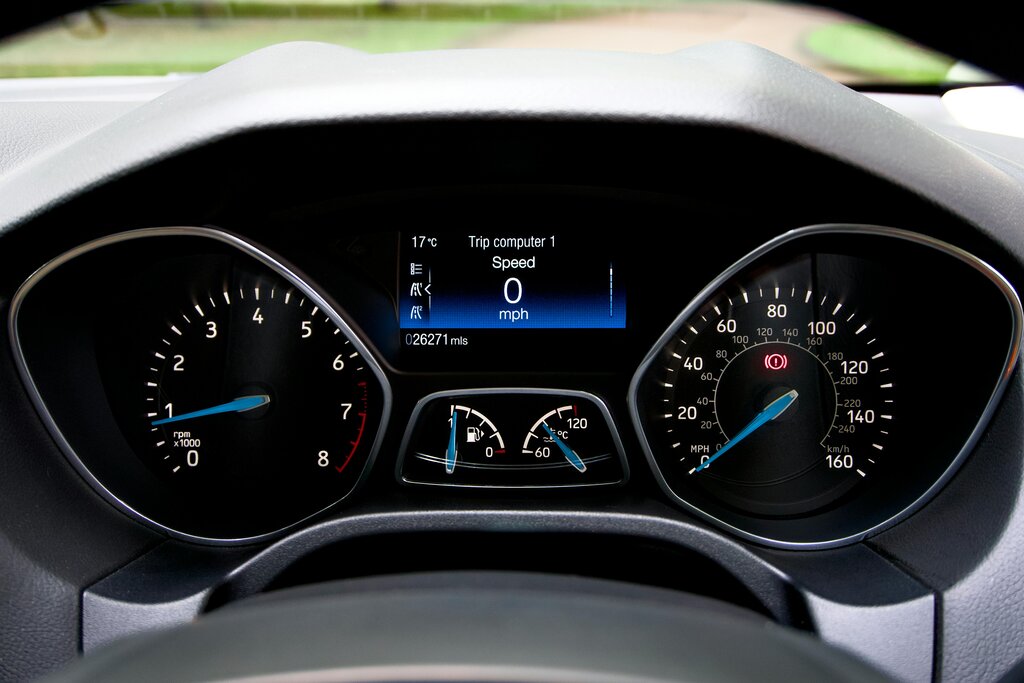
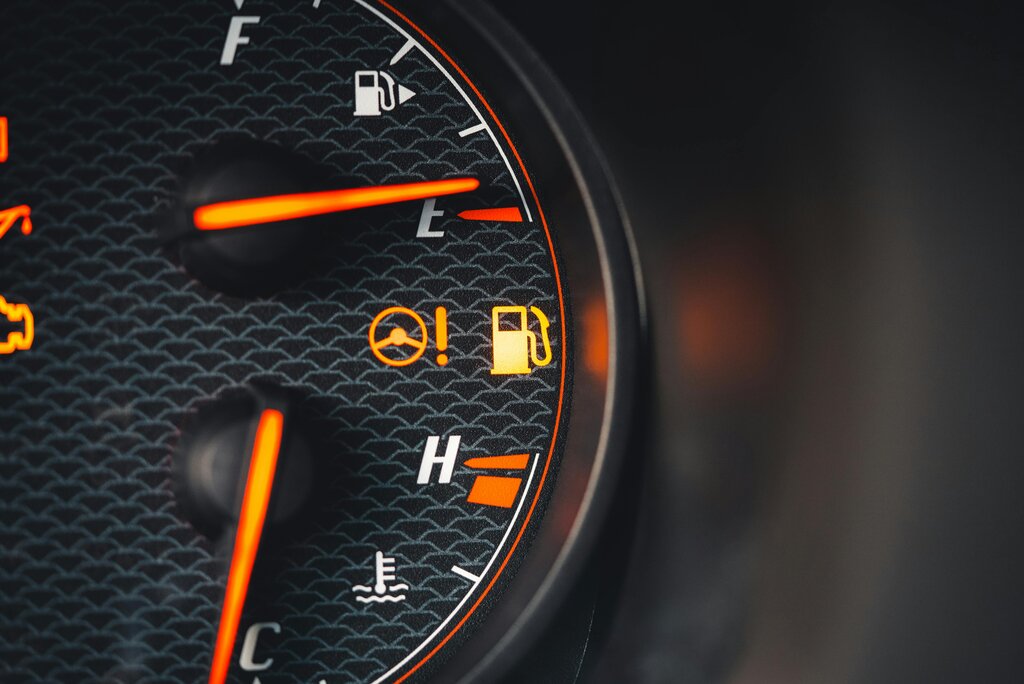
Your car also uses a system of warning lights to alert you to potential problems. When you first start the car, many of these lights will flash on briefly as the system checks itself. If a light stays on, it's signaling an issue that needs attention.
Common warning lights include the check engine light, oil pressure warning, battery charge warning, and tire pressure monitoring system (TPMS) light. Your car's manual will explain what each specific symbol means.
Setting Up Your Driving Position
A proper driving position is crucial for both comfort and control. Start by adjusting your seat so you can easily press the pedals all the way to the floor without stretching. You should be able to sit upright with your back fully supported by the seat.
Next, adjust the steering wheel. Most cars allow you to adjust its height (tilt) and sometimes its distance from you (telescope). Position it so your arms are slightly bent when holding the wheel and you have a clear view of the dashboard instruments.
Properly adjusted mirrors are your best defense against blind spots, which are the areas around your car that you can't see in your mirrors. Adjust your rearview mirror so you can see the entire rear window from your normal sitting position.
For your side mirrors, lean your head to the left until it almost touches the driver's side window, then adjust the left mirror so you can just see the side of your car. Do the same on the right side. This method pushes your view outwards, significantly reducing the size of your blind spots.
Your feet control the pedals. In an automatic car, you'll have two: the accelerator on the right to go faster, and the brake on the left to slow down. Always use your right foot for both. In a manual car, there's a third pedal on the far left called the clutch, which you'll use with your left foot when changing gears.
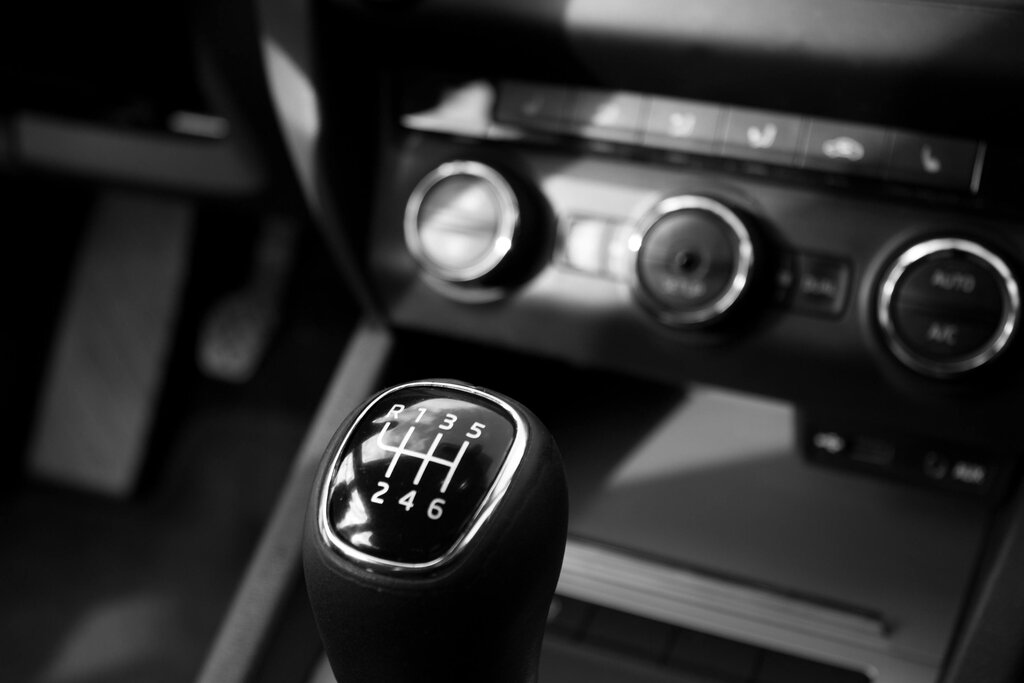
The gear shift, located between the front seats or on the steering column, selects the gear. In an automatic, you'll typically see Park (P), Reverse (R), Neutral (N), and Drive (D). Manual cars have a pattern of numbers for each gear, which you select by moving the stick while pressing the clutch.
Basic Maintenance Checks
A safe car is a well-maintained car. You don't need to be a mechanic to perform a few simple checks that can prevent problems down the road. One of the most important is checking your tire pressure. Properly inflated tires provide better handling, fuel economy, and safety. You can find the recommended pressure on a sticker inside the driver's door jamb.
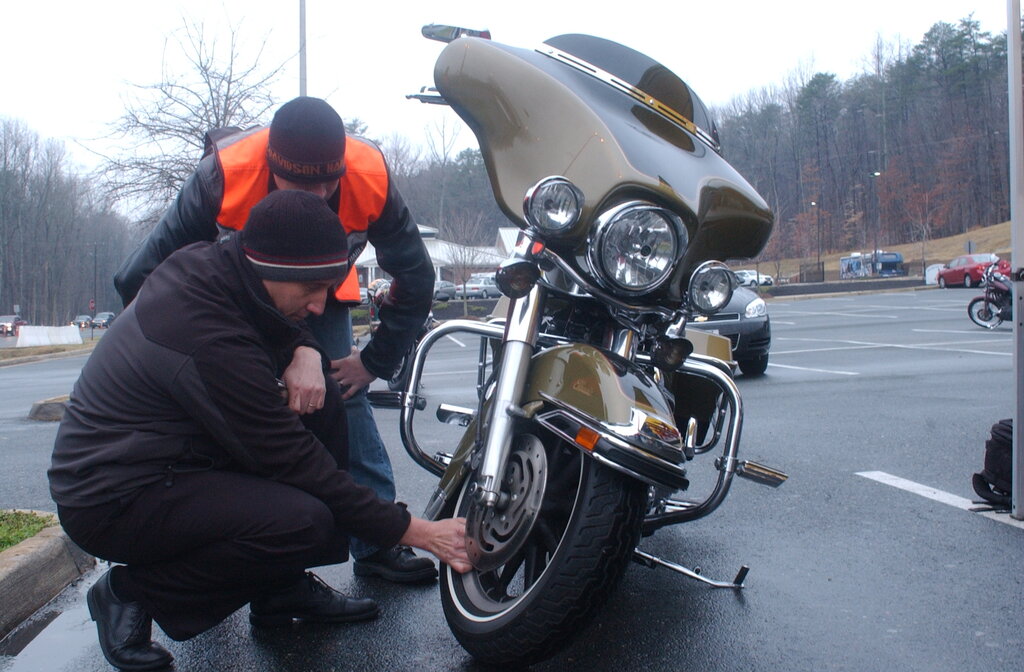
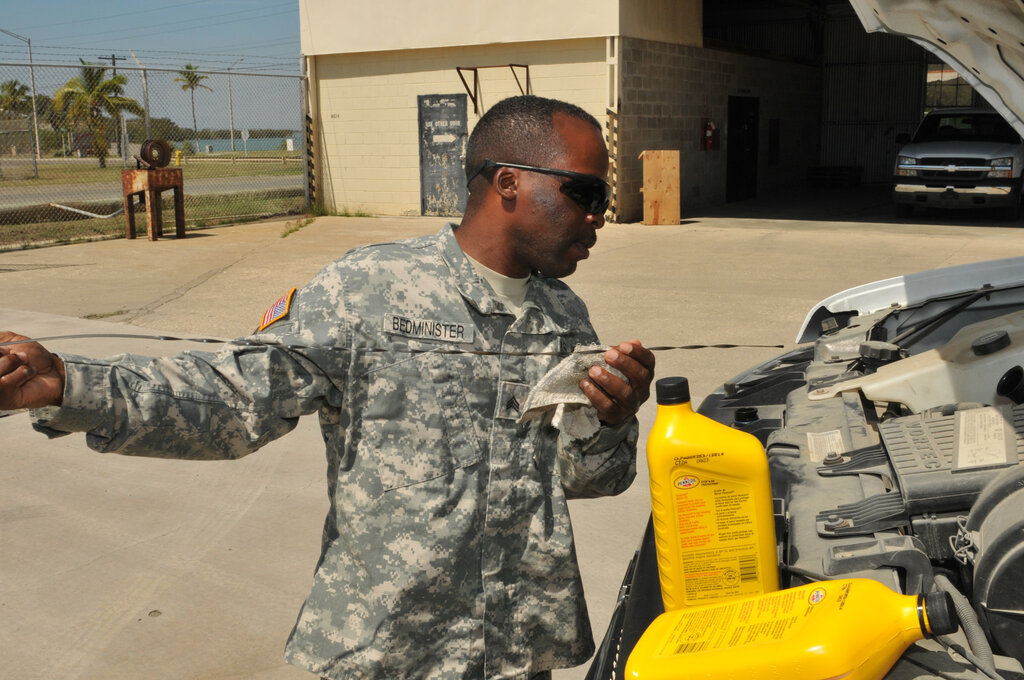
It's also a good idea to periodically check your vehicle's fluid levels. This includes the engine oil, windshield washer fluid, and coolant. Your owner's manual will show you where each reservoir is located under the hood and how to check the levels properly. Keeping these fluids topped off ensures your car runs smoothly and safely.
Now that you're familiar with the basics, let's test your knowledge.
What is the primary purpose of adjusting your seat, steering wheel, and mirrors before you start driving?
The instrument on your dashboard that measures the engine's revolutions per minute (RPM) is called the __________.
Understanding these core components is the first step toward becoming a confident and responsible driver.