Teaching Kids to Snowboard
Introduction to Snowboarding Equipment
The Right Board
Choosing the right snowboard is the first step to a fun day on the mountain. For kids, the board should be sized correctly to make learning easier and safer. A good rule of thumb is to pick a board that stands somewhere between their chin and nose when placed on its end. If your child is heavier for their height, you can go a little longer. If they're lighter, a slightly shorter board is better.
A board that's too long will be hard to turn, while one that's too short won't be stable. The chin-to-nose range is the sweet spot for control and balance.
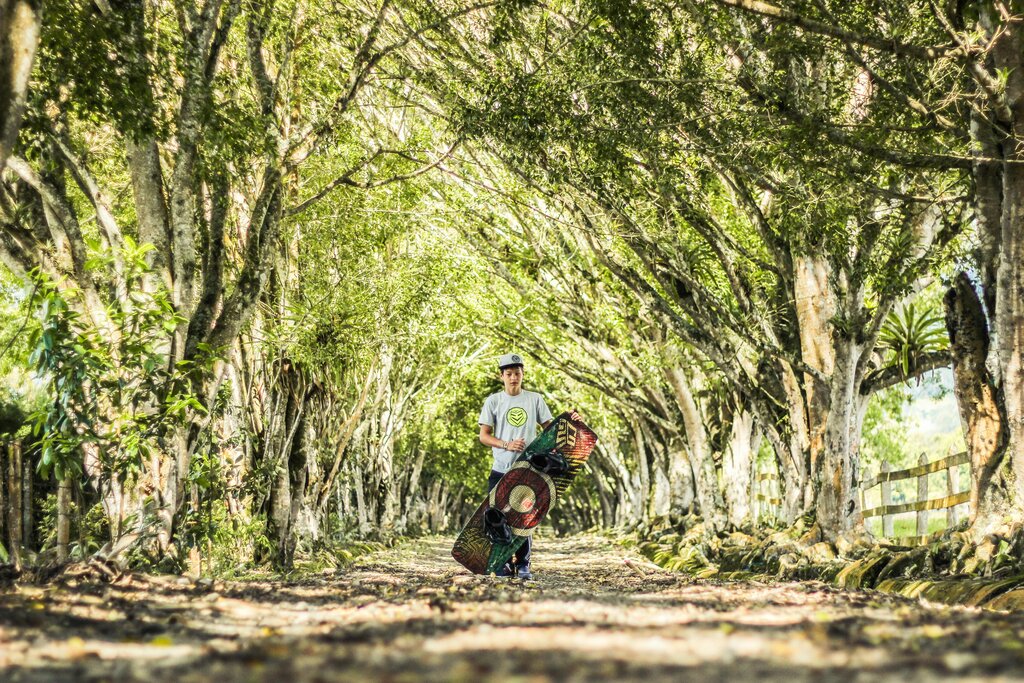
Snowboards for beginners are typically softer and more flexible. This design makes them more forgiving and easier to maneuver at slow speeds, which is perfect for someone just starting out. You don't need a high-performance board for a child's first time on the snow.
Boots and Bindings
After the board, boots and bindings are the most important pieces of gear. They connect your child to the board, so a good fit is crucial. Snowboard boots should be snug but not painfully tight. Your child's toes should lightly touch the end of the boot when standing straight, but pull back slightly when they bend their knees.
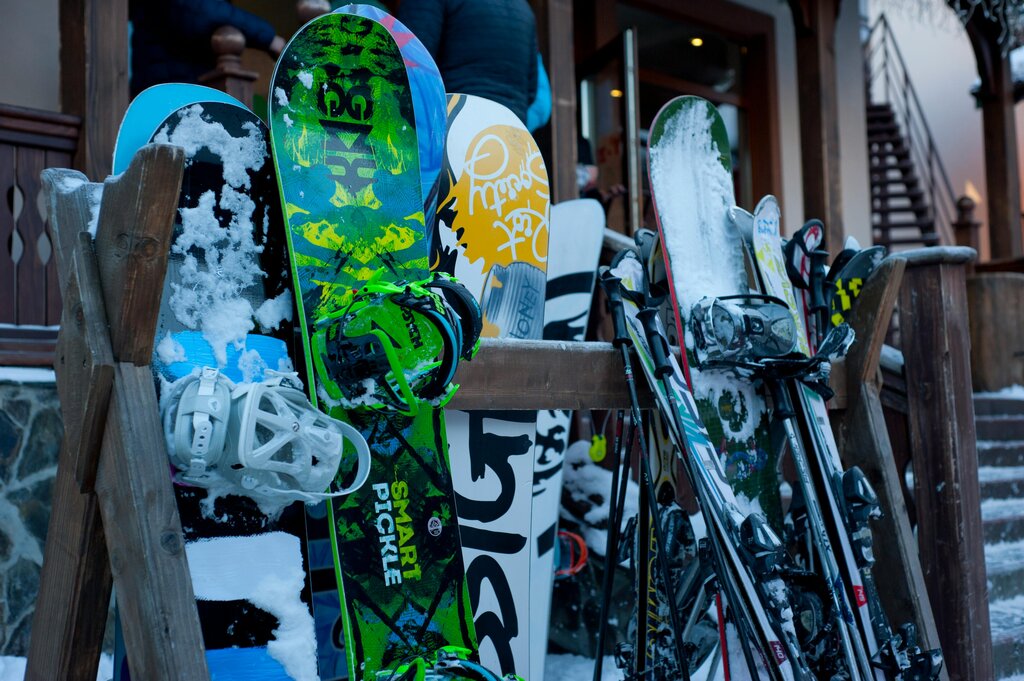
Comfort and warmth are key. Cold, sore feet can ruin a day of snowboarding. Look for boots with a simple lacing system, like a single dial or velcro straps, so kids can adjust them themselves.
Bindings are what hold the boots to the snowboard. They must be compatible with the boots you choose. Most kids' bindings have large, simple straps that are easy for small, mitten-clad hands to operate. The bindings should hold the boots securely without creating any pressure points.
Stay Safe, Stay Warm
Safety gear is non-negotiable. Every snowboarder, especially a beginner, needs to wear a helmet.
A helmet that’s made for snowboarding.
Make sure it fits properly. It should be snug but comfortable, and it shouldn't rock back and forth. While not required, wrist guards and padded shorts can also prevent common injuries from falls.
Staying warm and dry is just as important as staying safe. The secret is layering. Avoid cotton at all costs, as it absorbs sweat and stays wet, making your child cold.
| Layer | Purpose | Material Examples |
|---|---|---|
| Base Layer | Wicks sweat away from skin | Synthetic (polyester) or wool |
| Mid Layer | Insulates and retains body heat | Fleece or wool sweater |
| Outer Layer | Protects from wind and snow | Waterproof jacket and pants |
Finish the outfit with a good pair of waterproof mittens or gloves, a warm hat that fits under the helmet, and goggles. Goggles protect the eyes from sun, wind, and snow, improving visibility and safety. Finally, a single pair of warm, non-cotton socks (like wool or synthetic ski socks) is all that's needed inside the boots. Packing them with extra socks will only restrict circulation and make their feet colder.
Now that you know the basics of snowboard gear, let's test your knowledge.
When standing a snowboard on its end, where should the top of the board reach for a child of average weight?
Why are snowboards designed for beginners typically softer and more flexible?