Teaching Kids Scratch If Blocks
Real World Logic
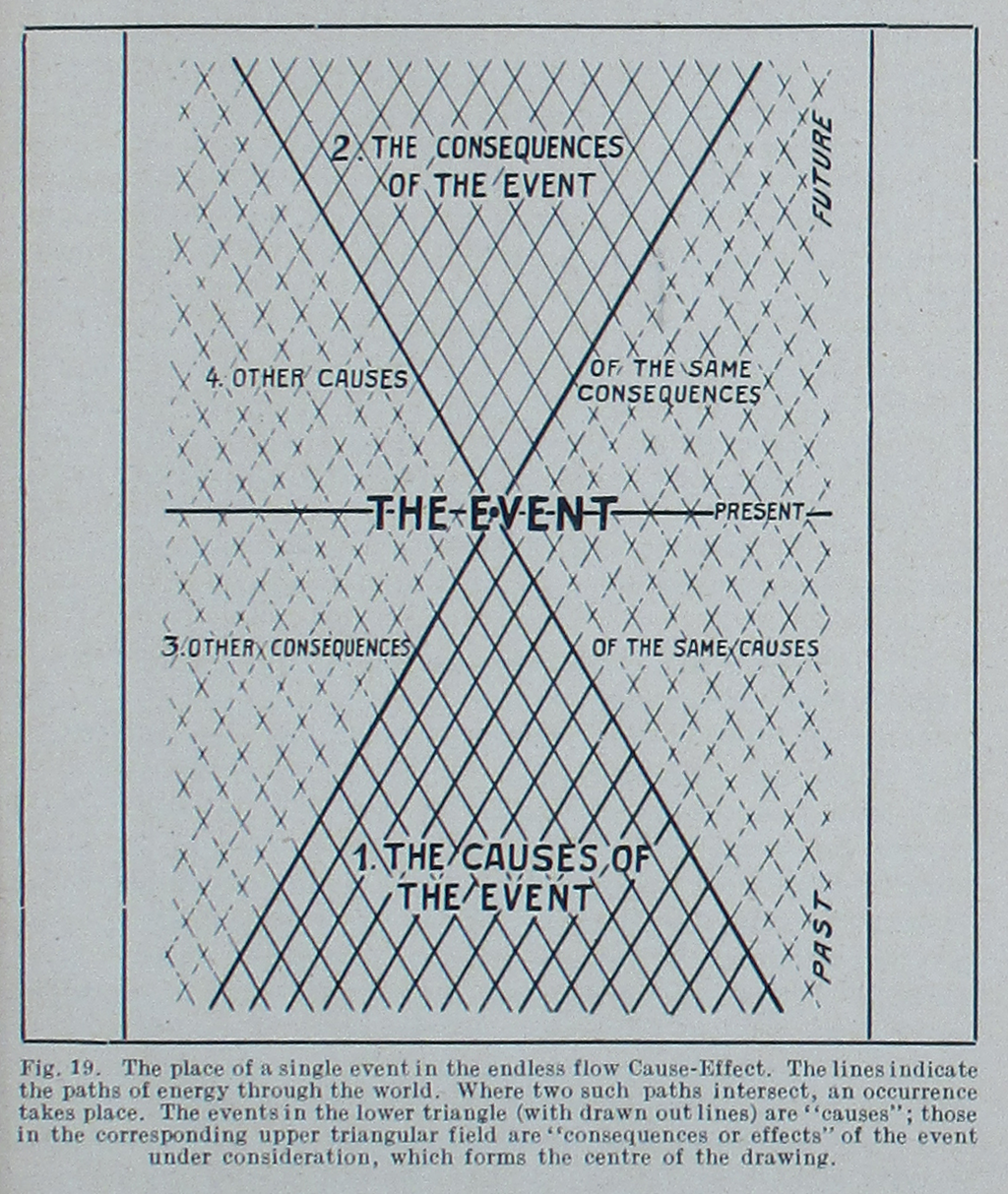
The Logic of Cause and Effect
Every day, our brains make thousands of tiny decisions. We don't think much about them, but each one follows a simple, powerful pattern: if something happens, then we do something in response. This is the logic of , and it's something children understand intuitively long before they ever see a line of code.
Think about getting ready for school. If it's raining outside, then you grab an umbrella. The rain is the cause (the "if"), and grabbing the umbrella is the effect (the "then"). This isn't a complex calculation; it's a simple, logical response to the world.
This "If-Then" structure is everywhere in a child's life. We can help them see this logic by framing it in simple sentences:
- If I am thirsty, then I get a drink of water.
- If the traffic light is red, then we stop the car.
- If I finish my homework, then I can play.
The "if" part is the trigger—the thing that happens in the world. The "then" part is the action—the response to that trigger.
Giving Your Sprite a Brain
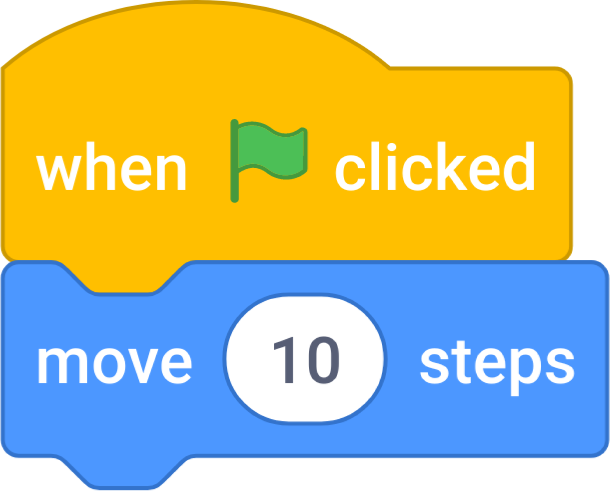
When we build stories and games in Scratch, we want our characters, or , to seem smart. We want them to react to their world just like we do. To do this, we give them a “brain” made of logic. The most basic piece of this brain is the If-Then instruction.
Instead of you telling the sprite to move, an If-Then block lets the sprite decide for itself when to move. It's the difference between being a puppet and being a character with its own rules.
To teach this, you don't need a computer. You can play a simple game on the playground or in the classroom. Give your students a rule:
- "If I clap my hands, then you jump."
Here, clapping is the trigger. It's the event in the world the students are watching for. Jumping is their programmed response. They are acting like living sprites, using If-Then logic to guide their actions. You can create dozens of these simple, physical rules to help students internalize the concept before they ever drag a block of code.
The "If-Then" pattern is a way to describe what simple, powerful concept?
In the sentence, "If the traffic light is red, then we stop the car," what is the "cause"?
By starting with these real-world examples, you give students a solid mental model. When they later see an "If" block in Scratch, they won't see abstract code. They'll see a decision-maker—a piece of a brain they can give to their creations to bring them to life.