Teaching Early Literacy to a Resistant Preschooler
Understanding Early Literacy
What Is Early Literacy?
Early literacy isn’t about pushing children to read and write before they're ready. Instead, it’s everything a child knows about communication, language, reading, and writing before they can actually do it on their own. Think of it as building the foundation of a house. You need to pour the concrete and frame the walls long before you can paint the rooms and move in furniture. Early literacy skills are that foundation for a lifetime of learning.
These foundational skills include a wide range of abilities, like understanding that squiggles on a page represent words, knowing how to hold a book, and being able to listen to a story. Fostering these skills from an early age helps children become confident and capable readers later on. It builds vocabulary, sparks curiosity, and develops their ability to understand and express complex ideas.
Early literacy is about creating a positive, joyful connection with books and language, setting the stage for future academic success.
Milestones from 3 to 5
Children develop at their own pace, but you'll likely notice them hitting certain literacy milestones between the ages of three and five. This is a period of incredible growth where they start connecting the dots between spoken language and the written word. Here’s a general guide to what you might see.
| Age | Common Milestones |
|---|---|
| 3 | Enjoys listening to books and can name familiar pictures. Knows how to handle a book (e.g., turns pages). Recognizes some letters, especially those in their own name. Scribbles and understands their marks have meaning. |
| 4 | Can retell parts of a favorite story. Understands that text is read from left to right. Starts to notice rhyming words. Writes some letters, though they may be backwards. |
| 5 | Can retell a simple story in the correct order. Recognizes and can name most uppercase and lowercase letters. Matches some letters to their sounds. Writes their own name and other familiar words. |
Remember, these are just signposts. The goal is to encourage a child's natural curiosity about language, not to check boxes on a chart.
The Power of Play
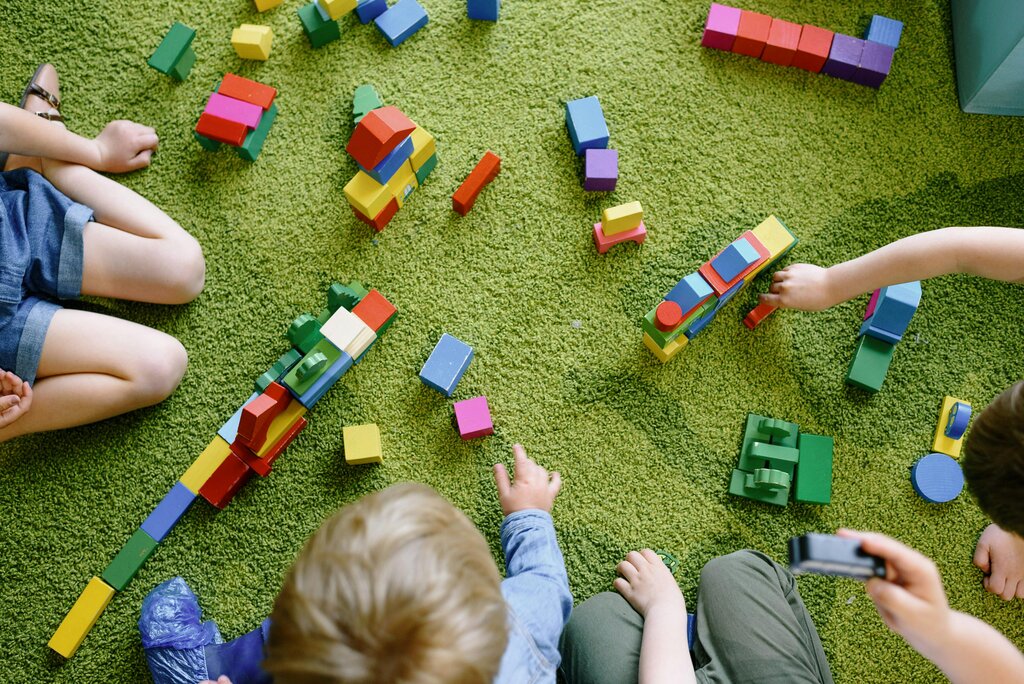
For young children, learning happens best through play. It’s their natural way of exploring the world, and it's a powerful tool for developing literacy skills. Play allows children to experiment with language in a low-pressure, engaging way.
Play is the natural way that young children learn best – everything from math to language to emotions and social ideas emerge through play.
When a child builds a tower with alphabet blocks, they’re not just having fun; they’re becoming familiar with the shapes of letters. When they pretend to write a shopping list or a letter, they're learning that writing has a purpose. Singing songs, reciting nursery rhymes, and telling stories with puppets all build crucial pre-reading skills like phonological awareness and narrative understanding.
Creating a Literacy-Rich Environment
A literacy-rich environment is a space that encourages children to interact with reading and writing in their everyday lives. It’s not about expensive materials or formal lessons. It’s about making language and print a visible, accessible, and enjoyable part of a child's world.
You can create this environment easily. Have books available in different rooms, not just on a bookshelf. Let your child see you read for pleasure, whether it's a novel or a magazine. Label things around the house, like toy bins or drawers, to show the connection between objects and words. Provide easy access to paper, crayons, and markers so they can experiment with writing whenever they feel inspired.
By surrounding children with opportunities to engage with language, we show them that reading and writing are valuable and fun. This positive association is the most important gift you can give a young learner.
Ready to check your understanding? This quiz will help you review the key ideas about early literacy development.
According to the provided text, what is the best definition of 'early literacy'?
True or False: Creating a 'literacy-rich environment' requires buying specific educational toys and setting aside a formal 'learning time' each day.
By understanding these core concepts, you can effectively support a child's journey toward becoming a confident reader and writer.