Teaching Children to Read
Understanding Literacy Development
The Journey to Reading Begins Early
Learning to read isn't a switch that flips on the first day of kindergarten. It’s a gradual journey that starts from birth. Long before a child can decode a word, they are building the foundational skills needed for literacy. This early period of development is often called emergent literacy.
emergent literacy- a concept that supports learning to read as a result of a home environment where children begin learning about reading and writing from birth by observing and interacting with adults and other children as they use literacy in their everyday lives in meaningful ways; children are always becoming readers and writers
Think of it this way: children are constantly gathering clues about written language from the world around them. They watch adults read books, make grocery lists, and follow recipes. They see words on signs, cereal boxes, and screens. Each of these interactions is a small piece of the literacy puzzle, teaching them that those little squiggles on a page carry meaning.
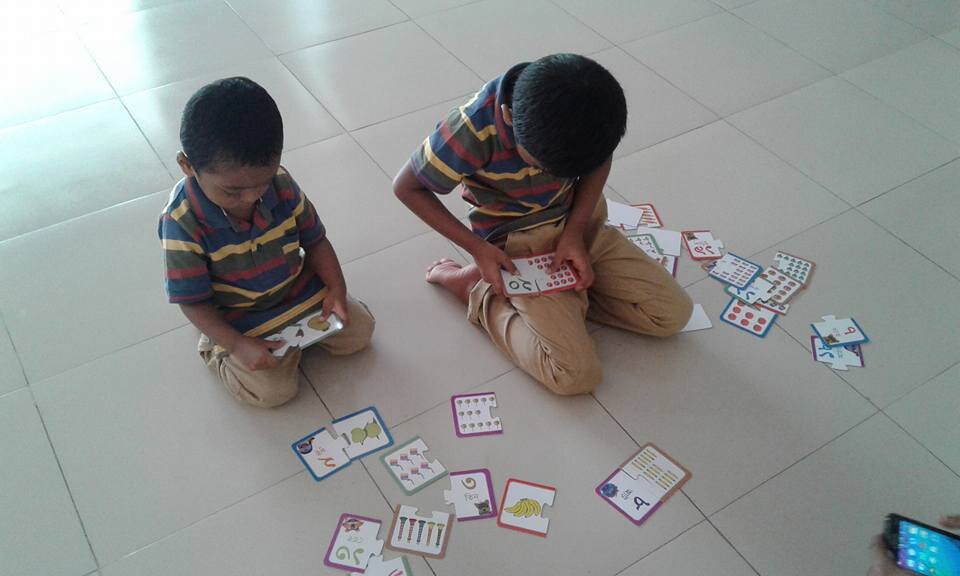
This process happens in stages. At first, a baby might just chew on a board book. Later, a toddler might point at pictures and babble, imitating the act of reading. A preschooler might hold a book and retell a familiar story from memory, using the pictures as cues. These aren't just cute behaviors; they are the early stages of a child figuring out how reading works.
Building with Blocks of Language
The single most important foundation for reading is oral language. Before children can read words, they need to be able to speak and understand them. A rich vocabulary and a good grasp of sentence structure make the transition to reading much smoother.
A child who can tell a story is already practicing the skills needed to understand one.
Every conversation, story, and song helps build this foundation. When you talk to a child about their day, you’re modeling how to string words together to form ideas. When you sing a nursery rhyme, you’re playing with the sounds of language. And when you read a book aloud, you’re exposing them to new words and more complex sentences than they might hear in everyday conversation.
The more words a child hears, the larger their spoken vocabulary becomes. This bank of words is crucial. When they later encounter those words in print, the connection is much easier to make. They aren't learning a new word and how to read it at the same time; they are simply connecting a printed form to a word they already know.
A World Full of Words
Children learn what's important from the environment around them. A “print-rich” environment is a space that surrounds children with written language in meaningful ways. This shows them that print is a useful and important part of daily life.
This doesn’t mean you need flashcards and posters plastered on every wall. It’s about integrating print naturally into a child's world. Labeling toy bins helps a child connect a written word (”blocks”) to a familiar object. Writing a grocery list together shows that writing helps us remember things. Pointing out the stop sign on the corner teaches that print gives us information.
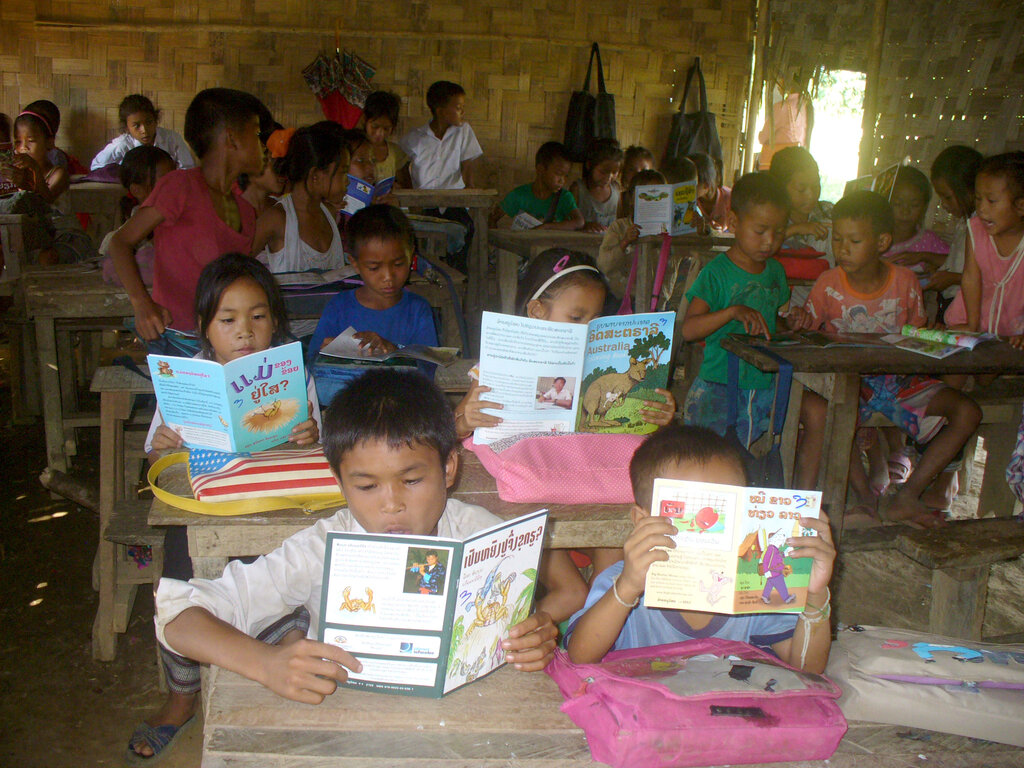
Through this constant, low-pressure exposure, children begin to grasp the basic rules of how we read, often called “concepts about print.” These are the fundamental understandings that experienced readers take for granted.
Concepts about print include understanding that: • Print carries a message. • We read text, not pictures. • Reading goes from left to right, and top to bottom. • Words are separated by spaces. • A book has a front, a back, and an author.
Pointing to the words as you read aloud is a simple, powerful way to teach these concepts. It helps a child connect the words you are saying to the print on the page and shows them the direction we read. Over time, they internalize these rules, clearing the way for them to focus on the harder work of decoding words later on.
Time to check what you've learned.
What is "emergent literacy"?
According to the provided information, what is the single most important foundation for learning to read?
These early experiences with language and print are the bedrock of a child's literacy journey. They build the confidence, knowledge, and curiosity that turn a child into a reader.