Teaching AI Fundamentals
Understanding AI Fundamentals
What Is AI?
Artificial Intelligence (AI) is the science of making machines that can think and learn like humans. It's not about creating robots that look like us, but about giving computers the ability to perform tasks that typically require human intelligence. This includes things like recognizing speech, making decisions, and translating languages.
Think of AI as a broad field of computer science. The goal is to build systems that can learn from data, identify patterns, and make predictions with minimal human intervention.
At its core, AI is about creating algorithms—sets of rules or instructions—that allow a machine to solve problems. These aren't simple, step-by-step instructions like in traditional programming. Instead, AI algorithms are designed to adapt and improve over time as they are exposed to more information.
A Brief History
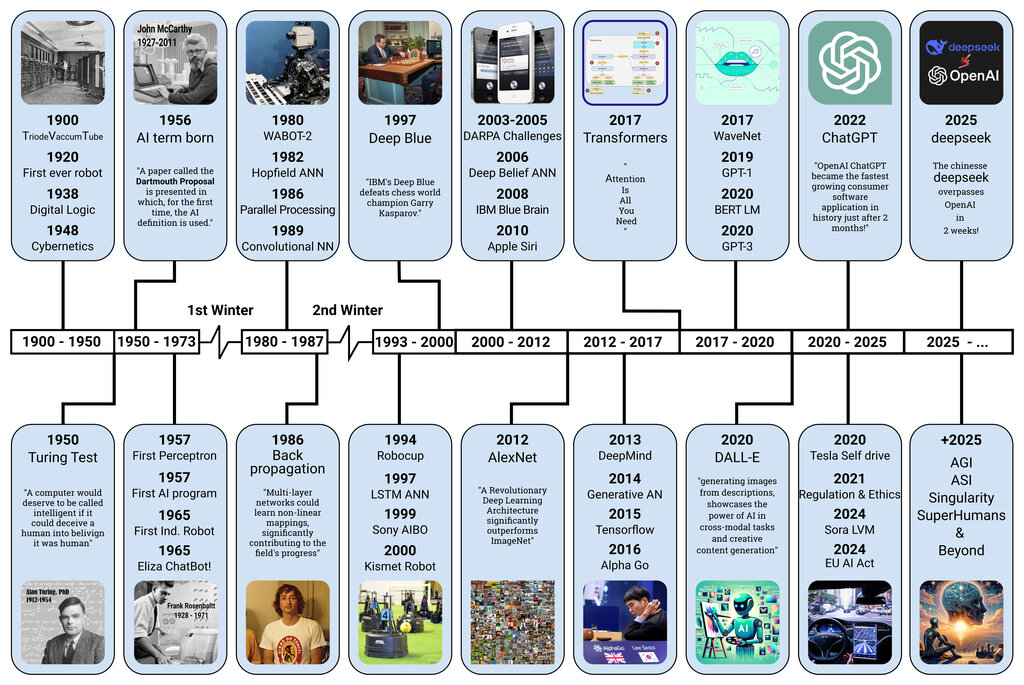
The dream of intelligent machines has been around for centuries, but the formal field of AI research began in the 1950s. Early pioneers believed that a machine as intelligent as a human being was just a few decades away. Progress was slower than expected, leading to periods of reduced funding and interest known as "AI winters."
However, key breakthroughs kept the field moving forward. In 1997, IBM's Deep Blue computer defeated world chess champion Garry Kasparov, a major milestone. This demonstrated that a machine could master a complex, strategic game once thought to be the exclusive domain of human intellect. The last two decades have seen explosive growth, thanks to more powerful computers and vast amounts of data.
The Three Types of AI
Not all AI is created equal. We can categorize AI into three main types based on its capabilities.
The first and most common type is Artificial Narrow Intelligence (ANI), also known as Weak AI. This is AI that is designed and trained for one specific task. The AI that recommends movies on Netflix, the voice assistant on your phone, and the software that detects spam in your email are all examples of ANI. It can perform its single task incredibly well, often better than a human, but it can't operate outside of that narrow domain.
Next is Artificial General Intelligence (AGI), or Strong AI. This is the type of AI you often see in science fiction. AGI would have the ability to understand, learn, and apply knowledge across a wide range of tasks at a human level. It could solve complex problems, think abstractly, and understand context. We haven't achieved AGI yet; it remains a theoretical goal for researchers.
Finally, there is Artificial Superintelligence (ASI). This is a hypothetical form of AI that would surpass human intelligence in virtually every field, from scientific creativity to general wisdom. The development of ASI raises profound questions about the future of humanity and is a subject of intense debate among scientists and philosophers.
Core Concepts
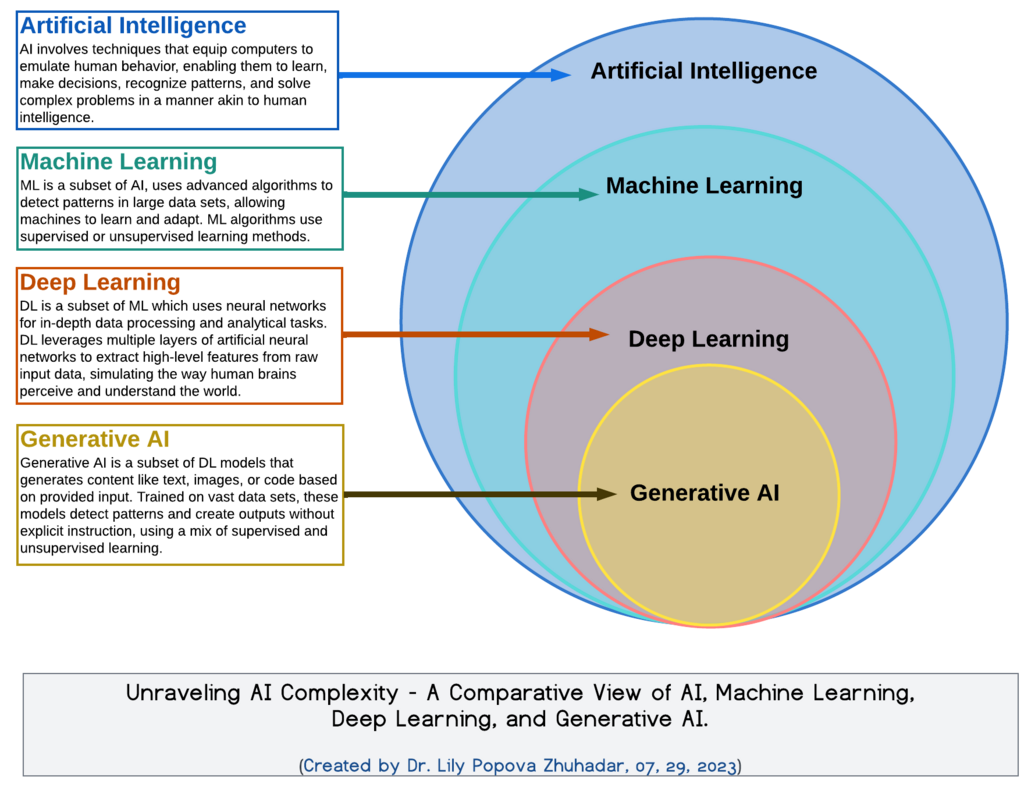
Several key concepts power modern AI systems. You'll often hear these terms used together, and it's helpful to understand how they relate.
Machine Learning
noun
A subset of AI where systems automatically learn and improve from experience (data) without being explicitly programmed.
Neural Networks are a key part of machine learning, inspired by the structure of the human brain. They consist of layers of interconnected nodes, or "neurons," that process information. When a neural network is trained on data, the connections between its neurons are adjusted, allowing it to recognize patterns. Deep Learning is simply the use of neural networks with many layers (hence, "deep").
Natural Language Processing (NLP) is another branch of AI that gives computers the ability to understand, interpret, and generate human language. NLP is what allows voice assistants to understand your commands and translation apps to convert text from one language to another.
Ethics and Impact
As AI becomes more integrated into our lives, it raises important ethical questions. How do we ensure that AI systems are fair and don't perpetuate human biases found in the data they're trained on? Who is responsible when an autonomous system makes a mistake?
There are also significant societal impacts to consider. AI has the potential to automate many jobs, which could lead to economic disruption. At the same time, it can solve some of the world's biggest problems in areas like healthcare, climate change, and scientific discovery. Navigating this future requires careful planning, regulation, and public conversation about the kind of world we want to build with these powerful tools.

Now let's check your understanding of these fundamental concepts.
What is the core objective of Artificial Intelligence?
The voice assistant on your smartphone, which can answer questions and perform specific commands but cannot solve novel scientific problems, is an example of what type of AI?
Understanding these basics provides a solid foundation for exploring the ever-evolving world of artificial intelligence.