TCP Fundamentals
Introduction to TCP
Meet TCP, The Reliable Messenger
Think about sending a valuable, fragile package. You wouldn't just drop it in a mailbox and hope for the best. You'd use a service that confirms the package was received, makes sure it arrives in one piece, and ensures all parts of the shipment arrive together. In the world of the internet, that reliable shipping service is the Transmission Control Protocol, or TCP.
TCP
noun
Stands for Transmission Control Protocol. It's a core protocol of the Internet Protocol suite that provides reliable, ordered, and error-checked delivery of a stream of data between applications running on hosts communicating over an IP network.
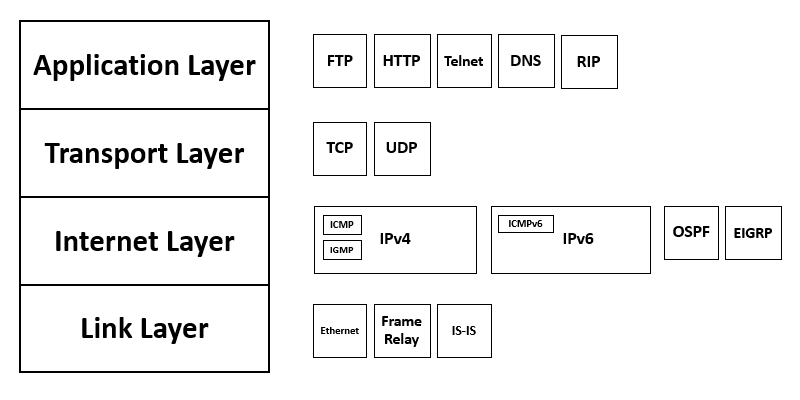
TCP is a fundamental part of the TCP/IP suite, the set of rules that governs how data travels across the internet. We've already met the Internet Protocol (IP), which acts like the postal service, figuring out the addresses and the best route for data to travel. TCP works hand-in-hand with IP. If IP is the part that puts an address on the envelope, TCP is the part that makes sure the letter inside is complete and readable when it arrives.
Connection-Oriented Communication
A key feature of TCP is that it is connection-oriented. This means that before any data is sent, TCP establishes a connection between the sender and the receiver. It's like making a phone call. You dial a number, wait for the other person to pick up and say "hello," and then you confirm you've heard them before you start the actual conversation.
This initial setup ensures both sides are ready to communicate. Once the connection is established, data can be exchanged reliably. When the conversation is over, the connection is formally closed. This process guarantees that data isn't just sent out into the void; it's sent through a dedicated, confirmed channel.
TCP's connection-oriented nature is what makes it reliable. It prioritizes accuracy over speed, making sure every piece of data arrives as intended.
TCP vs IP
While they work as a team, TCP and IP have very different jobs. IP is concerned only with getting data packets from a source to a destination. It doesn't worry if they arrive out of order, or if some get lost along the way. TCP adds the layer of reliability on top of IP's basic delivery service.
| Feature | Internet Protocol (IP) | Transmission Control Protocol (TCP) |
|---|---|---|
| Primary Job | Addressing and routing packets | Ensuring reliable data delivery |
| Type | Connectionless | Connection-oriented |
| Reliability | Unreliable (best-effort delivery) | Highly reliable |
| Function | Moves data packets from source to destination | Manages data flow, order, and error checking |
This partnership is why we need both. Without IP, TCP wouldn't know where to send the data. Without TCP, IP's delivery would be chaotic and unreliable for most applications we use every day.
Everything from browsing websites (using HTTP/HTTPS), sending emails (SMTP), to transferring files (FTP) relies on TCP. These applications need to know that the data they send and receive is complete and in the correct order. Imagine a web page loading with paragraphs mixed up, or an email arriving with sentences missing. TCP prevents these problems, working silently in the background to make the internet a dependable tool for communication.