TCM for Stress and Stagnant Energy
Introduction to TCM
A Different View of Health
Traditional Chinese Medicine, or TCM, offers a unique way of looking at the human body. Instead of focusing on isolated symptoms, it sees the body as a complete, interconnected system. Health isn't just the absence of disease; it's a state of balance and harmony within this system. This approach has been refined over thousands of years and is built on a few core principles that explain how our bodies work and what keeps them running smoothly.
TCM seeks to diagnose, treat, and prevent illness by viewing the body as an interconnected system rather than focusing solely on isolated symptoms.
The Concept of Qi
At the heart of TCM is the concept of Qi (pronounced "chee"). Think of Qi as the vital energy or life force that flows through everything in the universe, including you. It's the power that animates your body, governs your physical and mental functions, and keeps you feeling alive and well. When your Qi is abundant and flowing freely, you experience health. When it's weak, blocked, or out of balance, health problems can arise.
Qi
noun
The vital life force or energy that flows through the body, according to Traditional Chinese Medicine.
Imagine a river system. A healthy river flows unimpeded, nourishing the land around it. If a dam is built or debris blocks the water, the flow is disrupted, causing problems upstream and downstream. Qi works in a similar way within your body.
Pathways of Energy
So where does this Qi flow? According to TCM, it travels through a network of invisible channels called meridians. These pathways form a complex, interconnected web that links all parts of the body, including organs, tissues, muscles, and even emotions. They are like a highway system for your body's energy, ensuring that Qi reaches every corner to nourish and sustain it.
TCM holds that the body’s vital energy (chi or qi) circulates through channels, called meridians, that have branches connected to bodily organs and functions.
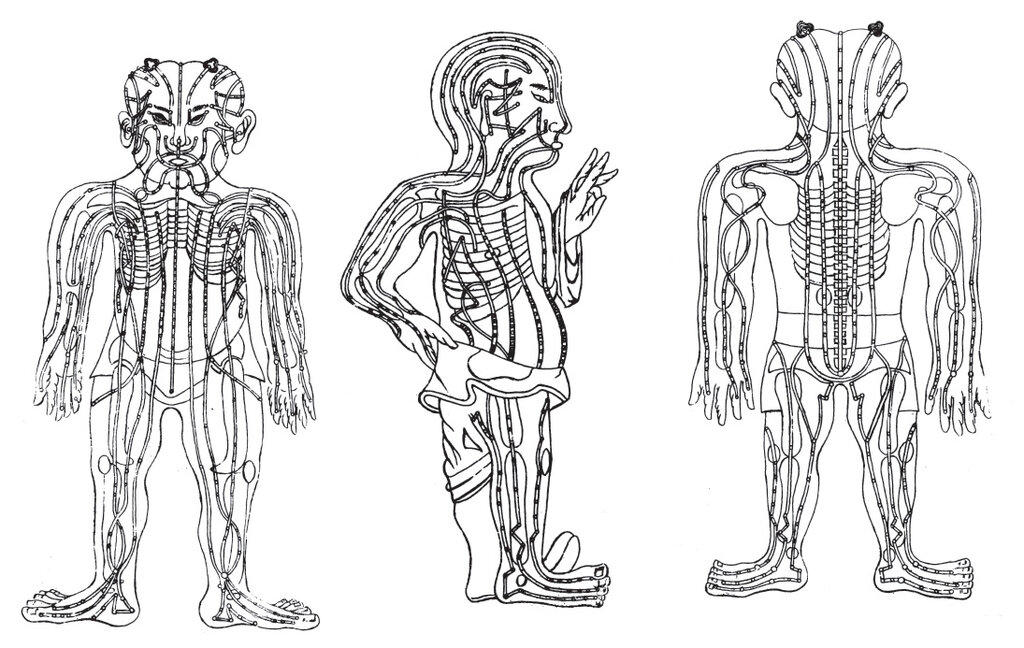
There are 12 primary meridians, each associated with a specific organ system. Practices like acupuncture and acupressure target specific points along these meridians to clear blockages and restore the smooth, balanced flow of Qi.
Yin and Yang
Another foundational concept is Yin and Yang. These are two opposing yet complementary forces that exist in all things. Yin is associated with qualities like coolness, darkness, passivity, and rest. Yang is associated with heat, light, activity, and movement.
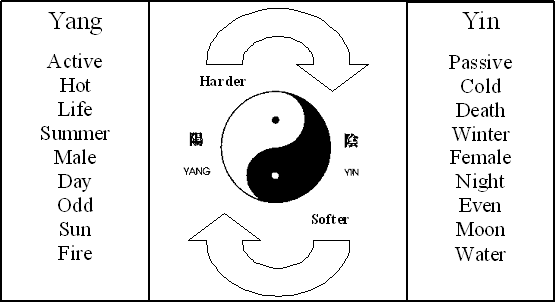
Health is seen as a dynamic balance between these two forces. They are not static; they continuously flow into one another, just as night turns into day. An imbalance—too much Yang or not enough Yin, for example—can disrupt the flow of Qi and lead to health issues. The goal is not to eliminate one or the other, but to maintain their harmony.
For example, sleep is a Yin activity that balances the Yang activity of your day. Getting enough rest is crucial for maintaining this equilibrium.
The Five Elements
Finally, TCM uses the theory of the Five Elements to explain how different parts of the body and nature are connected. These elements are Wood, Fire, Earth, Metal, and Water. Each element is associated with a season, a climate, a stage of development, a particular organ system, and even an emotion.
| Element | Season | Organ (Yin) | Organ (Yang) | Emotion |
|---|---|---|---|---|
| Wood | Spring | Liver | Gall Bladder | Anger |
| Fire | Summer | Heart | Small Intestine | Joy |
| Earth | Late Summer | Spleen | Stomach | Worry |
| Metal | Autumn | Lungs | Large Intestine | Grief |
| Water | Winter | Kidneys | Bladder | Fear |
The Five Elements interact with each other in specific cycles, either generating (creating) or controlling (restraining) one another. For instance, Water generates Wood (water helps trees grow), and Wood generates Fire (wood fuels fire). At the same time, Water controls Fire (water puts out fire). Understanding these relationships helps a TCM practitioner see how an imbalance in one organ system can affect others, providing a roadmap for restoring overall harmony.
Now that you're familiar with these foundational ideas, let's test your understanding.
In Traditional Chinese Medicine, what is the best description of "Qi"?
According to TCM, Qi travels through the body in a network of invisible channels known as ________.