TC-PI-P System Fundamentals
Introduction to Pipeline Systems
The Hidden Movers
Vast networks of pipelines crisscross the globe, mostly unseen beneath our feet or stretching across remote landscapes. Think of them as the circulatory system for our modern world. Instead of blood, they transport essential fluids like natural gas, oil, and water over incredible distances, connecting sources of supply with centers of demand.

A pipeline system is more than just a long tube. It's an engineered network designed for one primary purpose: to move a product safely and efficiently from point A to point B. Whether it's bringing natural gas to heat homes or carrying water to irrigate farmland, these systems are a cornerstone of global infrastructure.
The Core Components
Every pipeline system, regardless of its length or purpose, relies on a few fundamental components working together.
Pipe
noun
The main body of the pipeline, forming a continuous conduit through which the fluid travels. Pipes are typically made from steel for its strength and durability, especially for high-pressure oil and gas lines.
Valves act as the gates and doors of the system. These mechanical devices can be opened or closed to control the flow of the product. They are crucial for starting or stopping movement, redirecting flow, or isolating a section of the pipeline for maintenance or in an emergency.
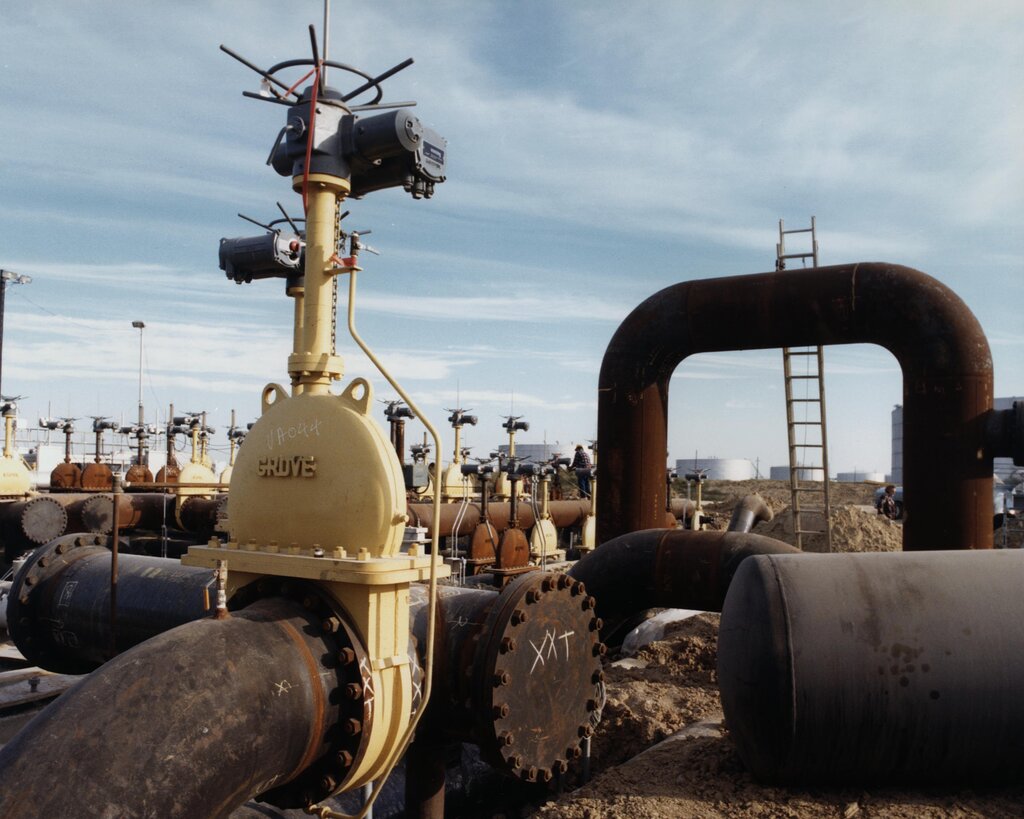
Fluids don't move on their own. They need a push. Pumps (for liquids) and compressors (for gases) are the engines that provide this push. Spaced out along the pipeline at pump or compressor stations, they add energy to the system, increasing the pressure to keep the product moving forward against friction and gravity.
Pumps push liquids like oil and water. Compressors squeeze and push gases like natural gas.
Finally, control systems are the brains of the operation. Modern pipelines are monitored around the clock from a central control room. Using systems like SCADA (Supervisory Control and Data Acquisition), operators can track pressure, flow rates, and temperature all along the line. These systems can also detect potential leaks and allow operators to shut down sections of the pipeline remotely.
Engineering for Safety and Flow
Pipeline engineering is a specialized field focused on designing, building, and maintaining these vital systems. The two primary goals are always safety and efficiency.
Safety is paramount. A pipeline failure can have serious environmental and economic consequences. Engineers work to prevent this by selecting the right materials for the pipes, ensuring high-quality welds to connect them, and applying protective coatings to prevent corrosion from soil and moisture. Regular inspections are also a critical part of keeping a pipeline safe over its decades-long lifespan.
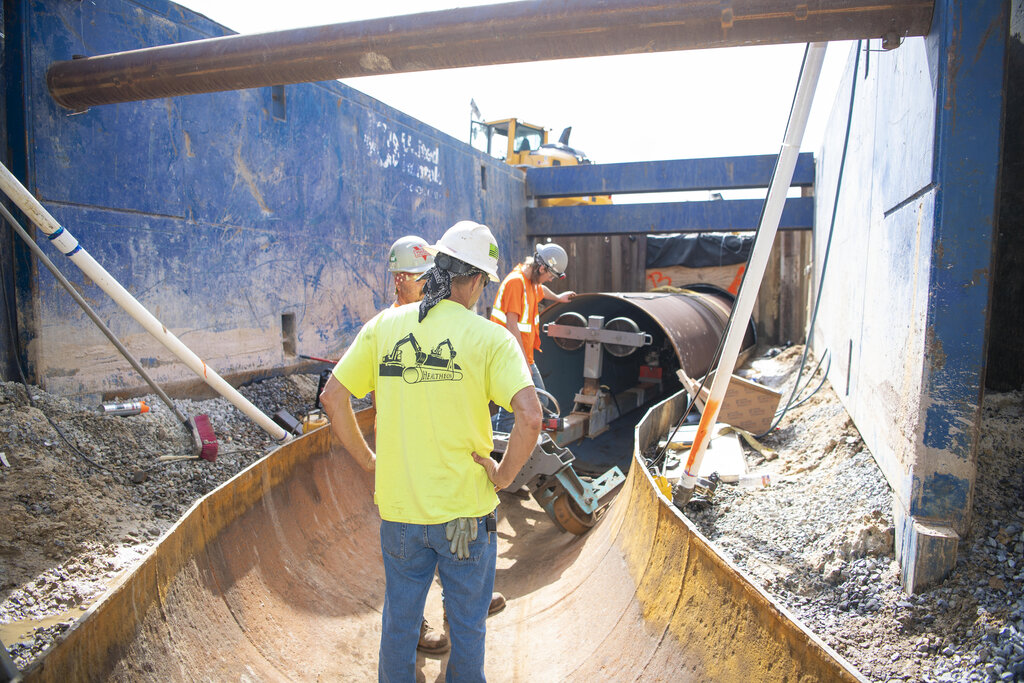
Efficiency is about moving the most product with the least amount of energy. Engineers carefully calculate the optimal pipe diameter—too small, and friction slows everything down; too large, and the construction cost becomes prohibitive. They also determine the number and power of pumps or compressors needed to overcome the challenges of friction and changes in elevation along the route.
Designing a pipeline is a complex balancing act. It must be strong enough to handle high pressures, durable enough to last for 50 years or more, and optimized to transport its contents with minimal energy cost, all while ensuring the safety of the people and environment around it.
Now that you understand the basics, let's test your knowledge.
What is the primary function of pumps (for liquids) and compressors (for gases) in a pipeline system?
An engineer designing a pipeline must balance efficiency and cost. Why wouldn't they simply choose the largest possible pipe diameter to minimize friction?